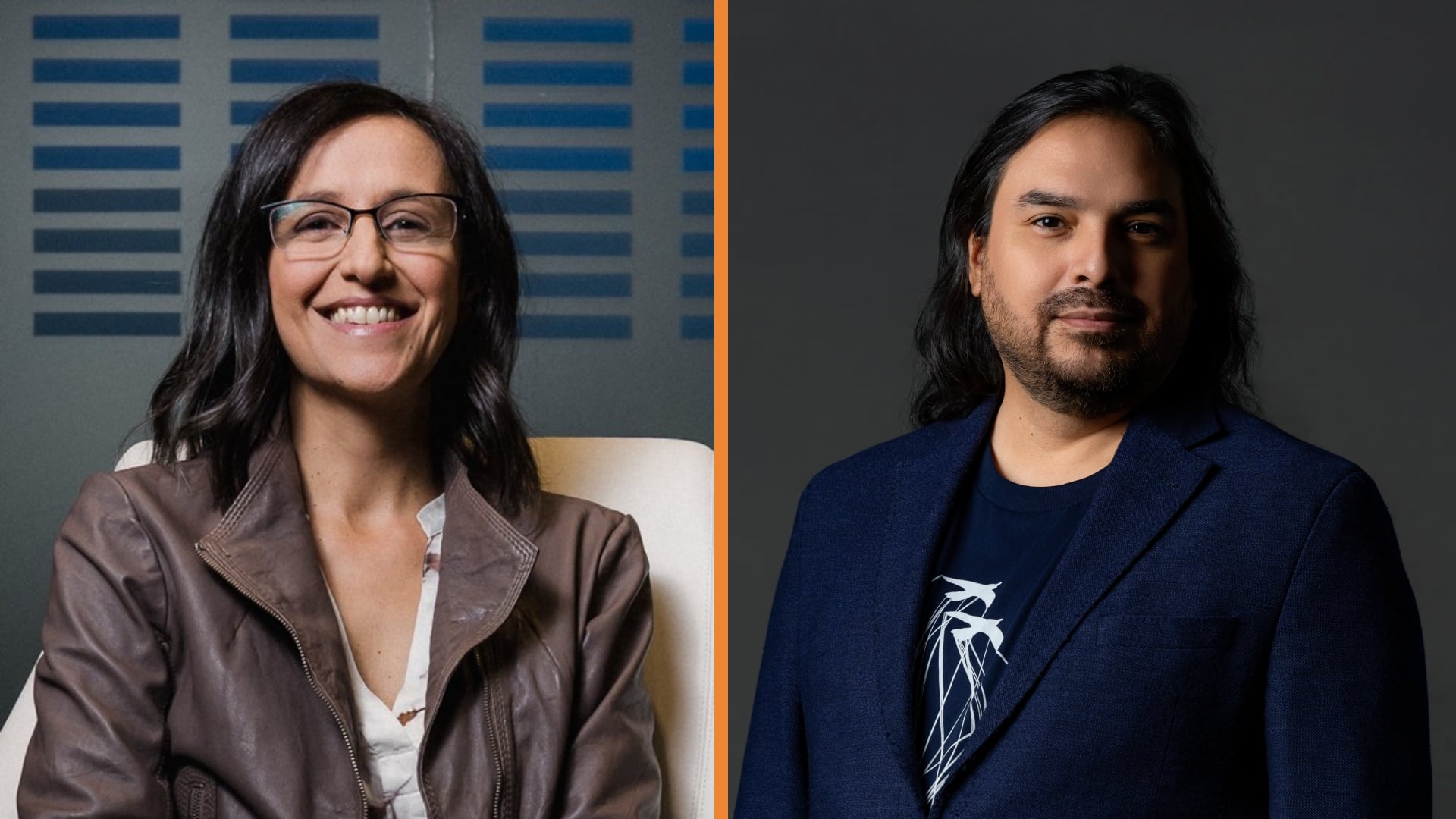
SOCAN, the Canadian rights society representing more than 200,000 songwriters, composers and publishers, said on July 21 that it has recognised Musical AI as an approved technology partner for attribution. The pair will work out how the company's tools can be used in Canada to spot when members' work feeds into AI output and to see that they are credited and paid.
Musical AI, a Canadian firm formerly called Somms.ai, analyses a generated track and estimates how much of it comes from particular recordings and compositions. It presents the result as a report, which it likens to the split sheet co-writers use to divide a song, to support licensing and payment. The point is to give rights bodies something concrete to invoice against, rather than a general claim that a model learned from their repertoire. The company launched its rights platform in 2024, was among the first certified by Fairly Trained, the non-profit set up by former Stability AI executive Ed Newton-Rex, raised $4.5 million in a Heavybit-led round in January, and already works with Symphonic, SourceAudio and Pro Sound Effects.
SOCAN, which says its members' livelihoods are at stake, rests the arrangement on two principles: AI use of a creator's work must be opt-in, and creators should be credited and paid whenever their work influences an output. Its chief executive Jennifer Brown called the deal a basis for paying creators when AI uses their music, and Musical AI's Sean Power said consent comes first and attribution next. Evan Solomon, Canada's minister for AI, welcomed it as a way to identify and protect Canadian creators.
Music Business Worldwide says this looks like one of the first times a performing rights organisation has formally approved an AI attribution company. SOCAN has also campaigned against any Canadian exception for unlicensed training, saying it generated 8,700 letters to government, and Brown has personally raised the protection of human creativity with Prime Minister Mark Carney. The society, which took in CAD $587.1 million in 2025, has warned that AI is putting growing strain on creators' incomes. In October 2025 it aligned with the US bodies ASCAP and BMI on accepting registrations of partly AI-made works while refusing fully AI-made ones.
The move sits against the unresolved label cases against Suno and Udio, where Sony has settled with neither and Universal still pursues Suno, and claims by Denmark's Koda and Germany's GEMA against Suno, which recently raised over $400 million at a $5.4 billion valuation. The two partners say they will next look at consent tools that let large numbers of creators choose whether to opt in.
Sources · 1