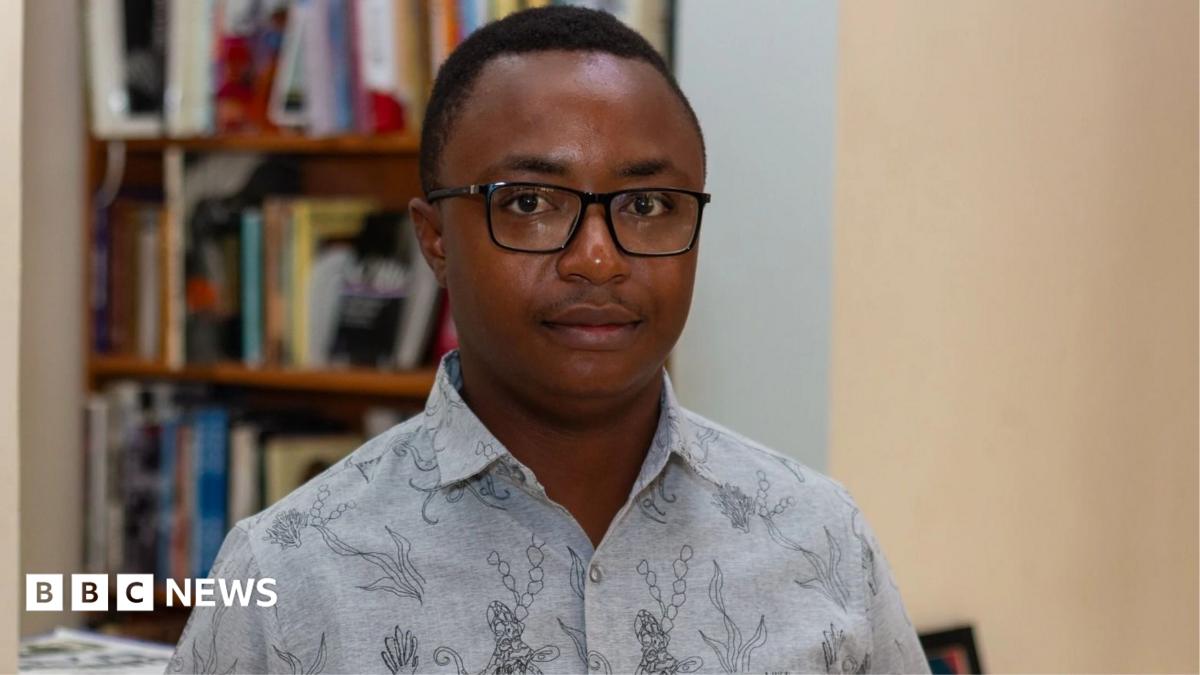
The Caine Prize for African Writing has started a review of its latest winner, "The Blue Fighter" by the Zimbabwean author Simbarashe Steyn Kundizeza, after The Atlantic reported that an AI-detection tool had marked the story as machine-generated. The prize is worth £10,000, roughly $13,000, and Kundizeza says he wrote the story himself; the prize says it will support him through the process.
“Pangram is itself AI-powered. Why should its assessment be treated as definitive?”
Modupe Daramola, publisher, Noisy Streetss Limited, on X, on X · bbc.co.uk ↗
The Atlantic piece, by Vauhini Vara, ran on Sunday 11 October. She put the story through the detector Pangram, which judged it AI-generated, while a 2021 story by the same author and every earlier winner she tested came back as fully human. She pointed to repeated "X but Y" sentence patterns and a heavy load of metaphor. Vara cited a Free University of Brussels paper in which Pangram and two other detectors made no errors when assessing non-native English writing, but described such tools as only an initial flag, and said Pangram is not perfectly accurate even if internal research shows it is rarely wrong.
Kundizeza answered on X and says he holds a documented history of the story. He traces it to a poem by Vangile Gantsho that he heard at a LOATAD Black Atlantic residency in Ghana, combined with his family's experience of his father leaving accountancy. A writer's style can change over five years, he argues, and the family episode that fed the story is part of the history he can show. The story first appeared in The Shallow Tales Review in 2025, a point on which the outlets' accounts and one search snippet differ, since an unverified aggregator snippet gives June 2024.
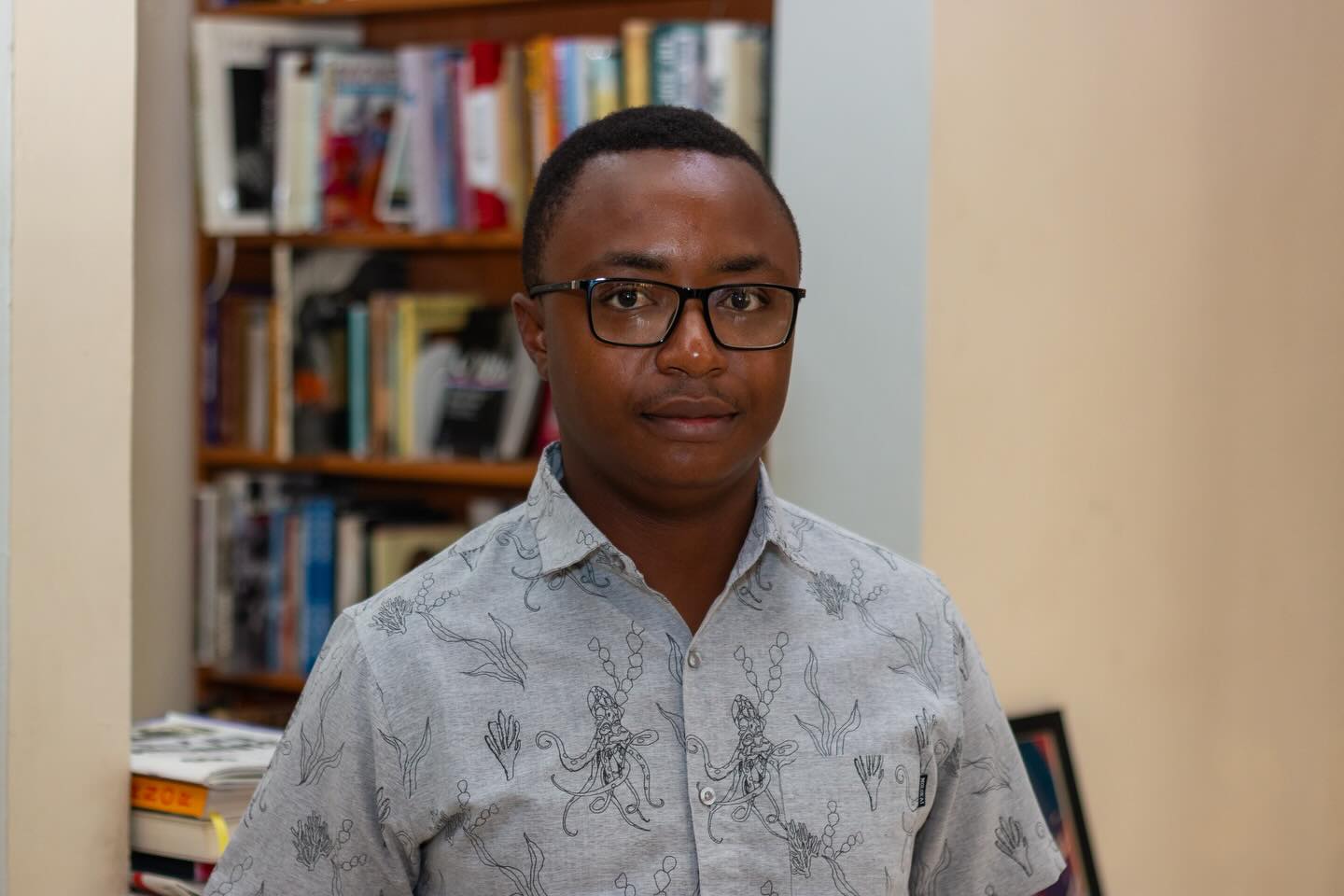
Portrait of the author Simbarashe Kundizeza used by NewZimbabwe
Image: NewZimbabwe.com
The prize said it has a responsibility to look into such claims and will do so with a human-centred approach. Its chair, Ellah Wakatama, said she was shocked that The Atlantic published before a full investigation. She is not against AI checks, she said, but against a detector acting as the final arbiter, and she called Pangram untested. Critics including Wale Lawal and Joe Ruzvidzo said accusations of this kind fall on Black and African writers, and questioned reliance on an AI tool. Wakatama added that she did not want the work of writers, and Black writers in particular, to serve as a testing ground for technology that is still rough.
Submissions to the prize are already published when they are entered, and they are not screened for AI; writers vouch for their originality; the Caine Prize's review therefore has to work from the author's own records and from the judges and the magazine that first printed the story. Kundizeza is to send his drafts and supporting documentation to the prize, and the prize is talking with all the judges and with The Shallow Tales Review. New Zimbabwe notes that he could lose the award if AI use were found. The row follows disputes over the Commonwealth Short Story Prize won by Jamir Nazir and Thelyson Orelien's withdrawal from the Goncourt over AI allegations that he denies.
Sources · 2