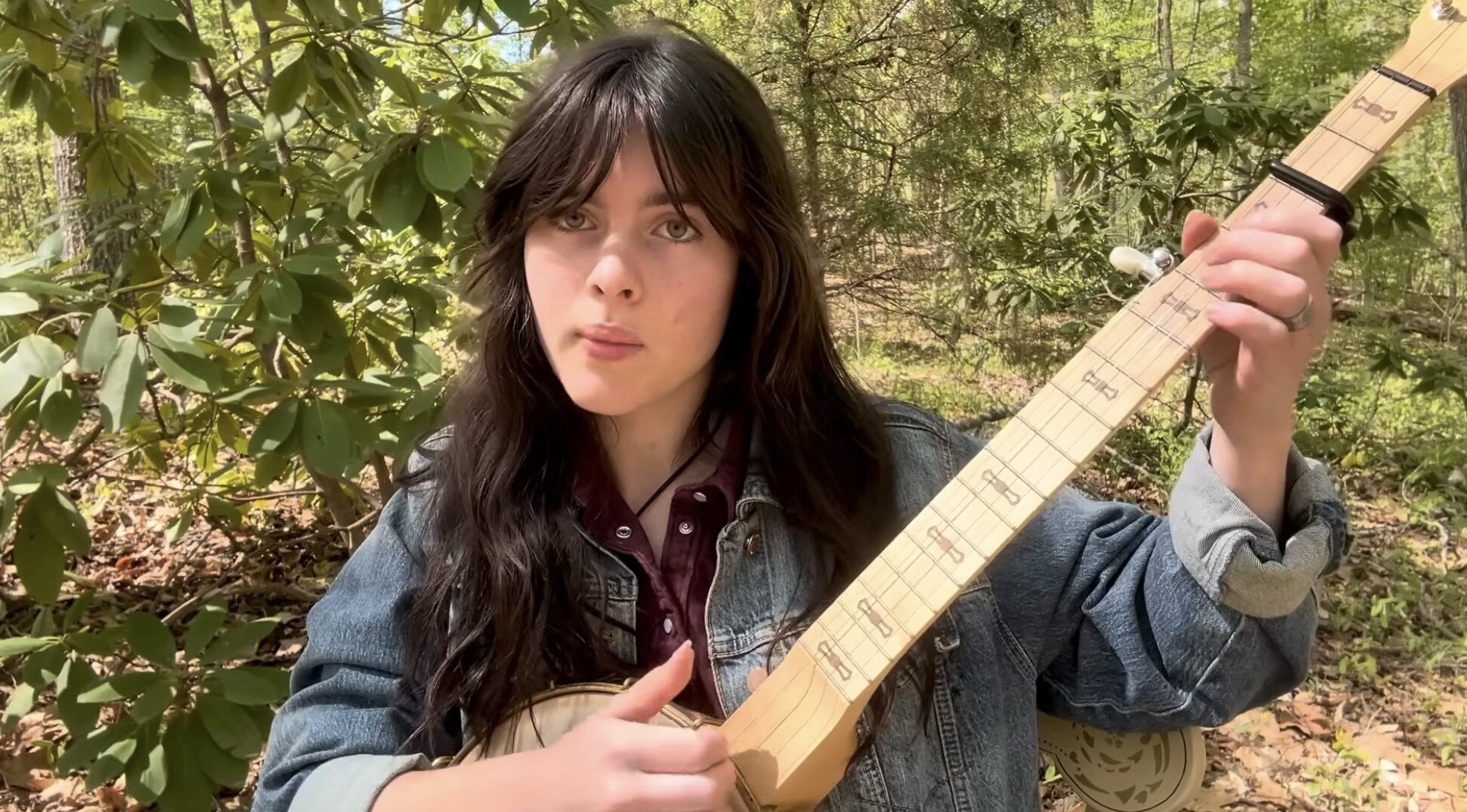
Murphy Campbell, a North Carolina singer who performs traditional Appalachian songs, has been hit twice in a few months. In January she found AI-generated covers of her material on her Spotify profile that she had never approved. In late March someone used the YouTube Content ID access of distributor Vydia, now part of gamma, to claim money from her own videos. The Verge reported the story on April 4 and Music Business Worldwide followed it up.
Campbell believes someone took her YouTube performances, cloned her voice with AI and uploaded the results under her name. The Content ID claims came separately. On March 25, the day Rolling Stone wrote about her AI impersonators, an account named 'Murphy Rider' uploaded private videos through Vydia and used them to claim her videos, and YouTube told her she was now sharing revenue on a song called Darling Corey.
The songs themselves are public domain, In the Pines going back to at least the 1870s, so nobody owns the compositions. Campbell's own recordings of them are still protected as sound recordings, however, so the claimant was in effect asserting ownership of performances that, if the audio matched, would be her copyright rather than theirs. The case shows how two separate weak points, open uploads to streaming profiles and delegated access to YouTube's claiming system, can be used against the same small artist within weeks.
Vydia founder Roy LaManna, now gamma's product and technology chief, told The Verge the claims were released and the user banned, and that Vydia had nothing to do with the entity behind the AI covers. On LinkedIn he said AI played no part in the claims, since Content ID needs an exact audio match, and suggested the claimant took advantage of Campbell's recordings not being in the audio content recognition databases distributors use to fingerprint registered songs, getting in first. He added that her material was still not registered in those systems. He said only 0.02% of Vydia's six million-plus claims had proved invalid, and described death threats that led to the firm's offices being evacuated.
Vydia, founded by LaManna in 2013, was bought in 2022 by gamma, the company started by former Apple Music executive Larry Jackson and Ike Youssef and backed by investors including Apple and Todd Boehly's Eldridge. Campbell told The Verge she would not let Vydia off the hook but thinks the problem runs deeper than one company, and she had assumed there were more checks before anyone could upload music under her name. Vydia also said the covers on Spotify came from an outfit called Timeless IR, with which it has no connection.
Her case lands amid wider worry about AI-driven fraud: Sony's campaign against more than 135,000 deepfakes, Spotify's pilot letting artists vet releases, TikTok's SoundOn adding ACRCloud fingerprinting, and the guilty plea of Michael Smith in the first US criminal case over AI-assisted streaming fraud.
Sources · 1