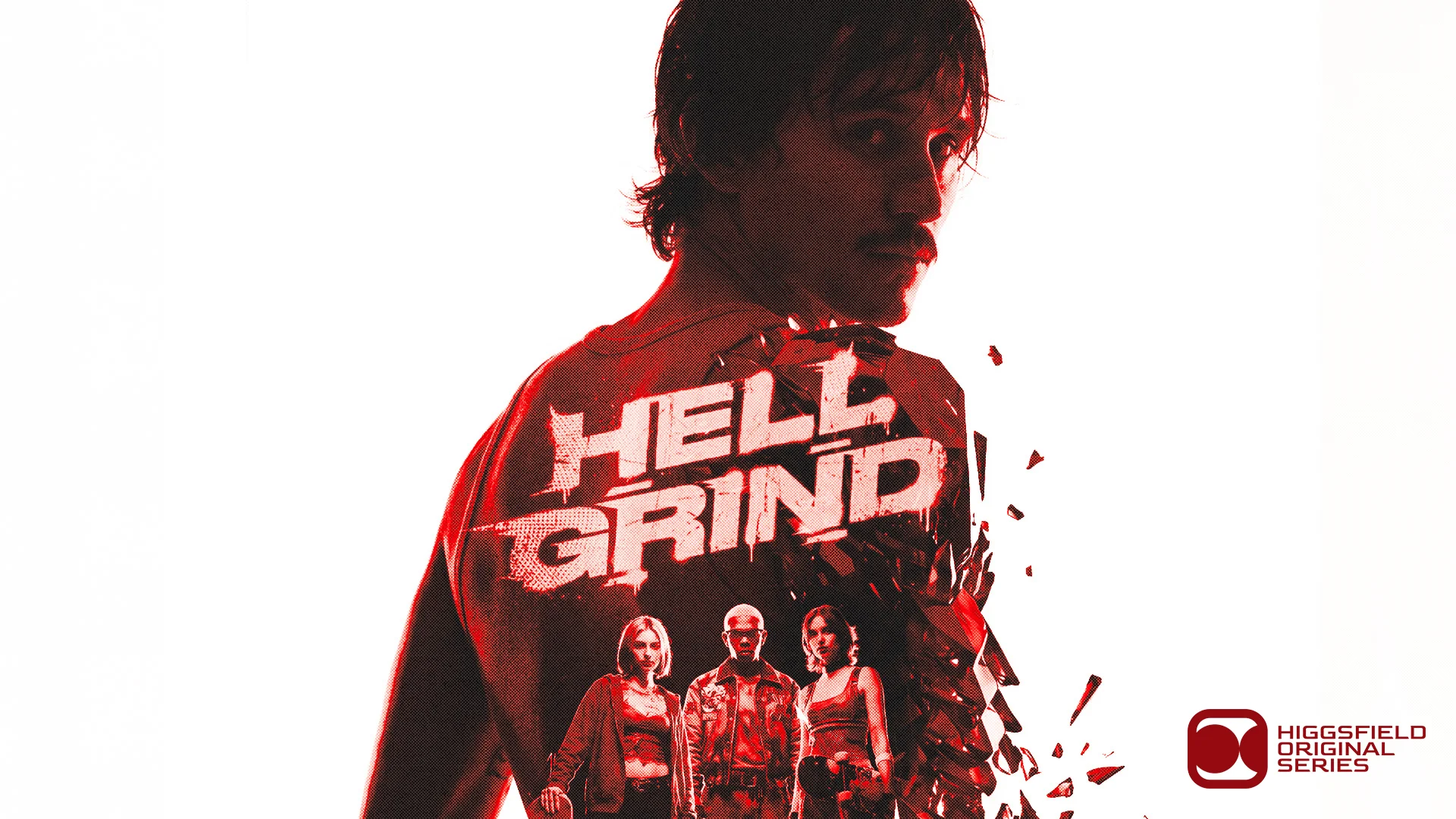
Hell Grind
film
9 Nov 2026 · 6,605 works · 976 news indexed
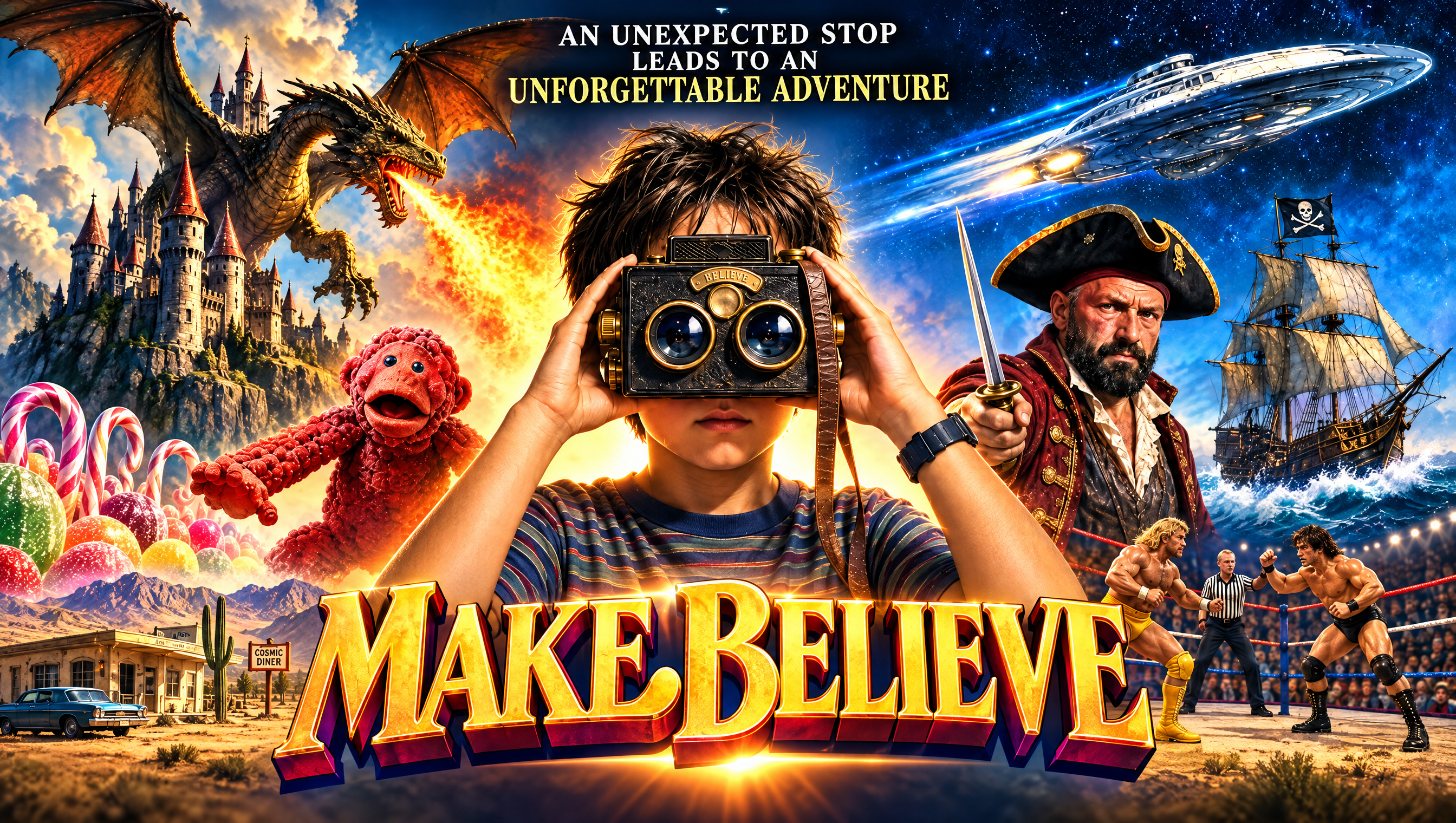
Synopsis
In 1991, a bored boy rides in the back seat of a station wagon with a paperback and a box of fruit gummies. An unexpected stop at a desert trading post leads him to a strange bakelite viewer with a single button.
Each click of the viewer drops him into a world of his own imagining: a wrestling ring with a red furry creature, a castle with a dragon, a pirate ship, a candy-cane forest, a starship. Each world is more wondrous, and less safe, than the last.
The deeper he goes, the more the worlds want the viewer for themselves, and the boy has to hold on to what lets him imagine. The film is built as a family fantasy in the spirit of the practical-effects adventures of the 1980s and early 1990s, with an epilogue that returns to the real world.
Its themes are the invisibility of imagination to adults, the way curiosity fades as responsibilities arrive, and the wonder of rediscovering creativity.
Last Updated 30 October 2026
Make Believe is a 13-minute-20-second AI-generated fantasy short film by Montlouis Mane, a Seattle-based studio that makes AI video for brands. The film was uploaded to YouTube on 15 September 2026 as a submission to the Higgsfield Global Film Festival 2026, and its project page on Higgsfield is marked complete and submitted on 14 September. The maker has not given a real name on the film's pages.
The director's statement calls the film a record of his own two-year journey learning to make films with generative AI, from first discovery through intimidation to wonder. He grew up making movies with his brother using action figures and a VHS camcorder, later became an actor, and says AI tools brought him back to something he loved as a kid.
The look was designed to feel hand-built and shot in 1990: rubber creatures, painted skies, miniatures under hard light, longer takes and rich backgrounds, in a warm 35mm look with grain and halation at 21:9. The statement says it is intentionally designed not to look computer-generated. The craft is meant to grow world by world, with the early worlds made with the simplest techniques and the later ones with everything learned.
The Higgsfield project page describes a solo production generated on Higgsfield. It names Seedance 2.5, Seedance 2.0 and Minimax H3 for video motion and performance, GPT Image 2.5 and 2.0, Seedream 5.0 Pro, Soul Cinema and Nano Banana Pro and 2 for reference and world-building stills, and Suno, Seed 1.0 and ElevenLabs for audio. The project lists 2,682 generations and 42,130 credits spent. It was planned at 7 to 8 minutes and ended at 13, and the story changed during generation because of content restrictions and the outputs.
The YouTube upload had about 231,000 views by 30 October 2026, with chapters from The Curiosity Shop and The Wrestling Ring to The Castle, The Pirate Ship, Candy World and The Starship. Its maker also posted a 36-second 1991 VHS-style trailer. Commenters compare it to E.T., Time Bandits and The NeverEnding Story.
Audience sentiment
44 comments about the show on YouTube · updated 30 Oct 2026
91%
positive
Score = positive ÷ all scored comments
Sentiment split
Viewers praise the 1980s-adventure feel, the story and the sets, and many say they forgot it was AI; a few find the acting flat.
Top themes
“Amazing work! Total 80s vibes.”
“Reminded me of Time Bandits.”
“Thoroughly enjoyed. Thanks for showing the power of a good story.”
“That 2001 reference with the monkey throwing the candybar which turns into a ship: nice touch”
“The acting is tougher to nail down. It's at the level of a Lifetime Network movie or Tubi movie”
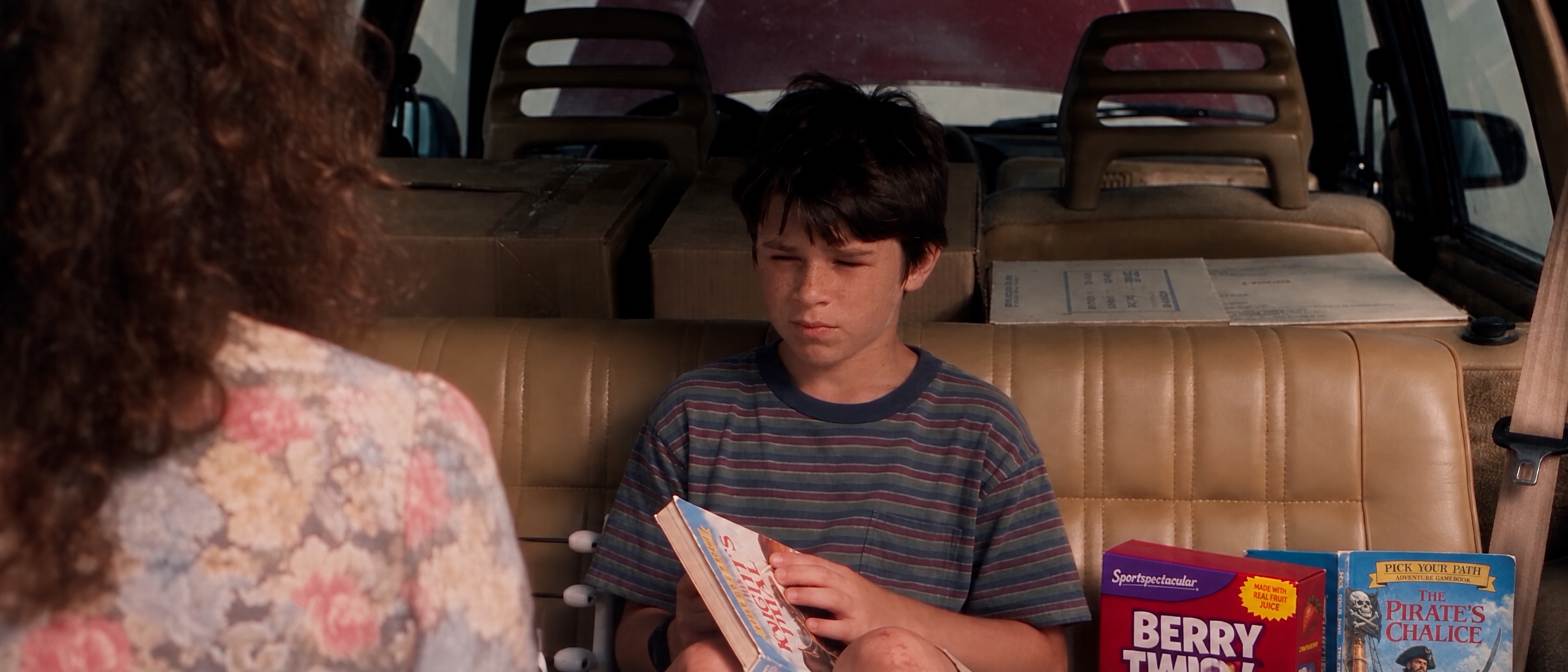
Image: cloudfront.net
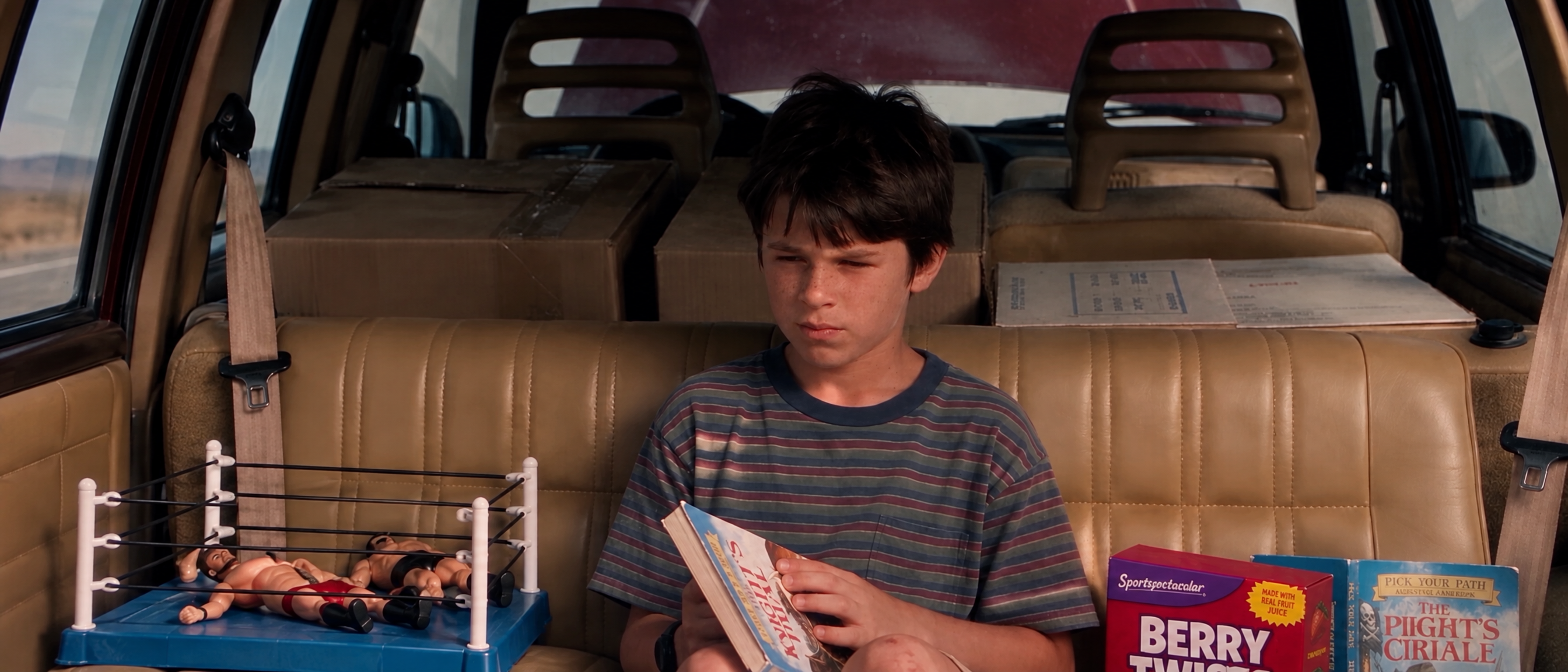
Image: cloudfront.net
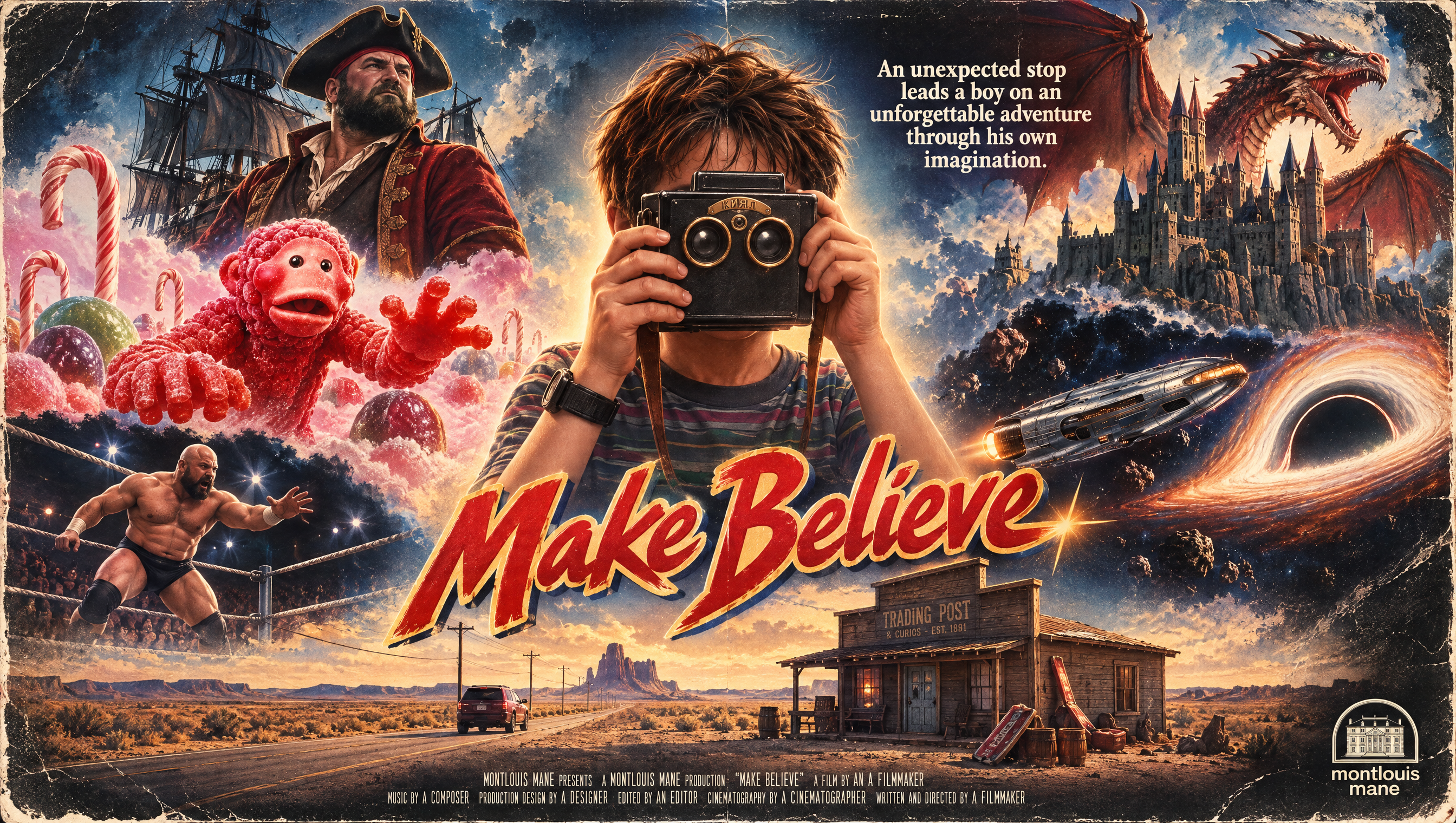
Image: cloudfront.net
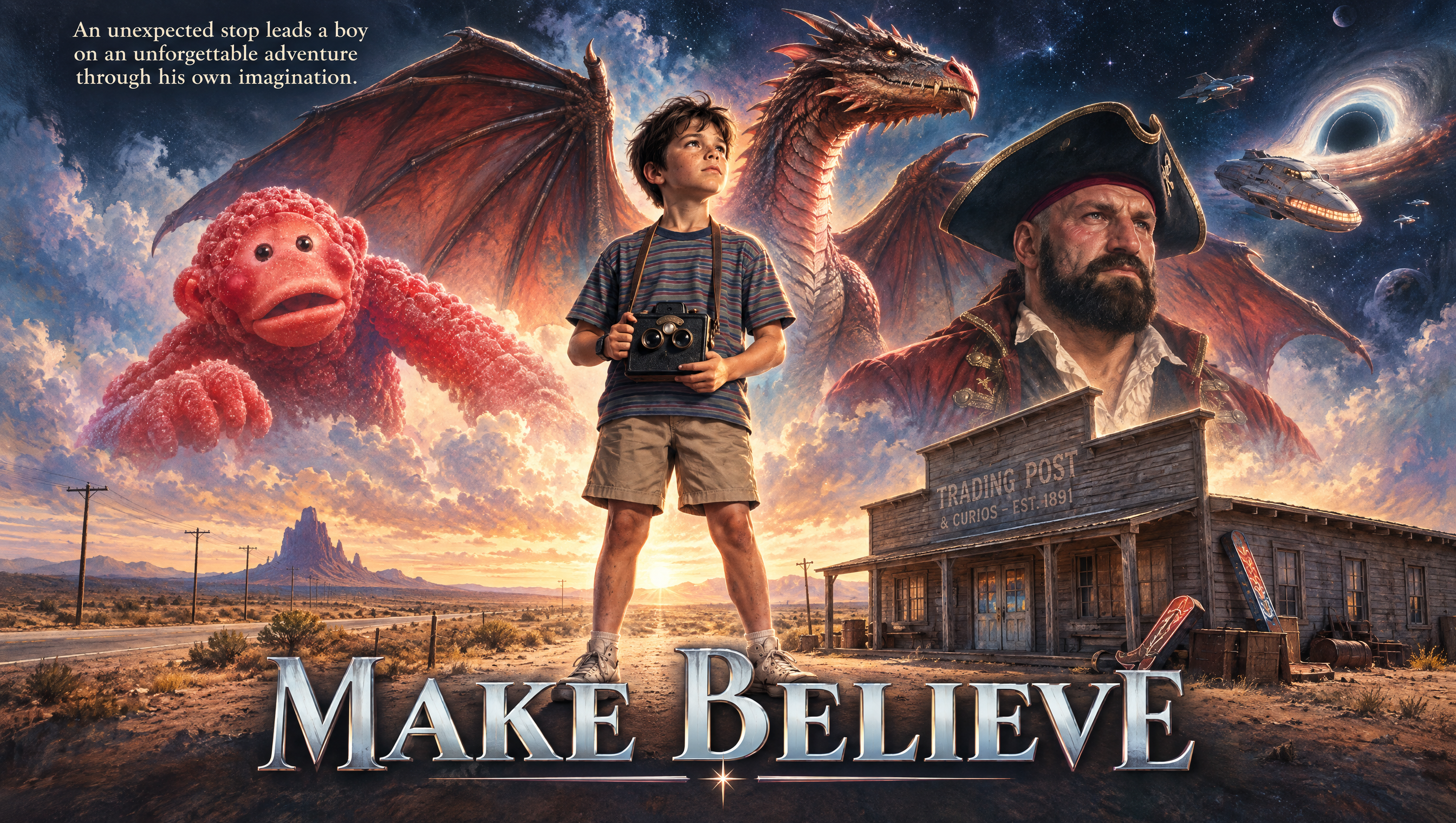
Image: cloudfront.net
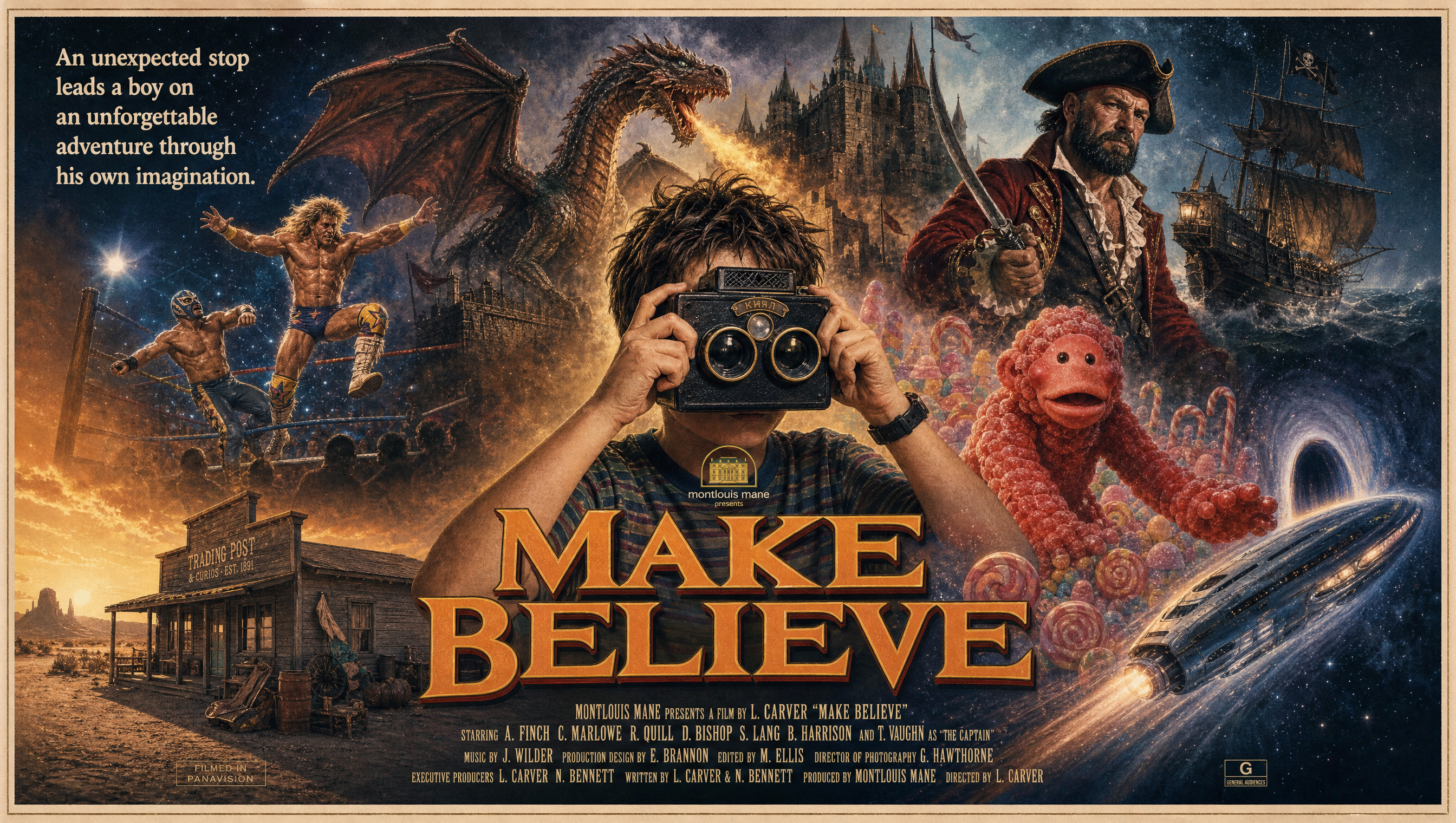
Image: cloudfront.net
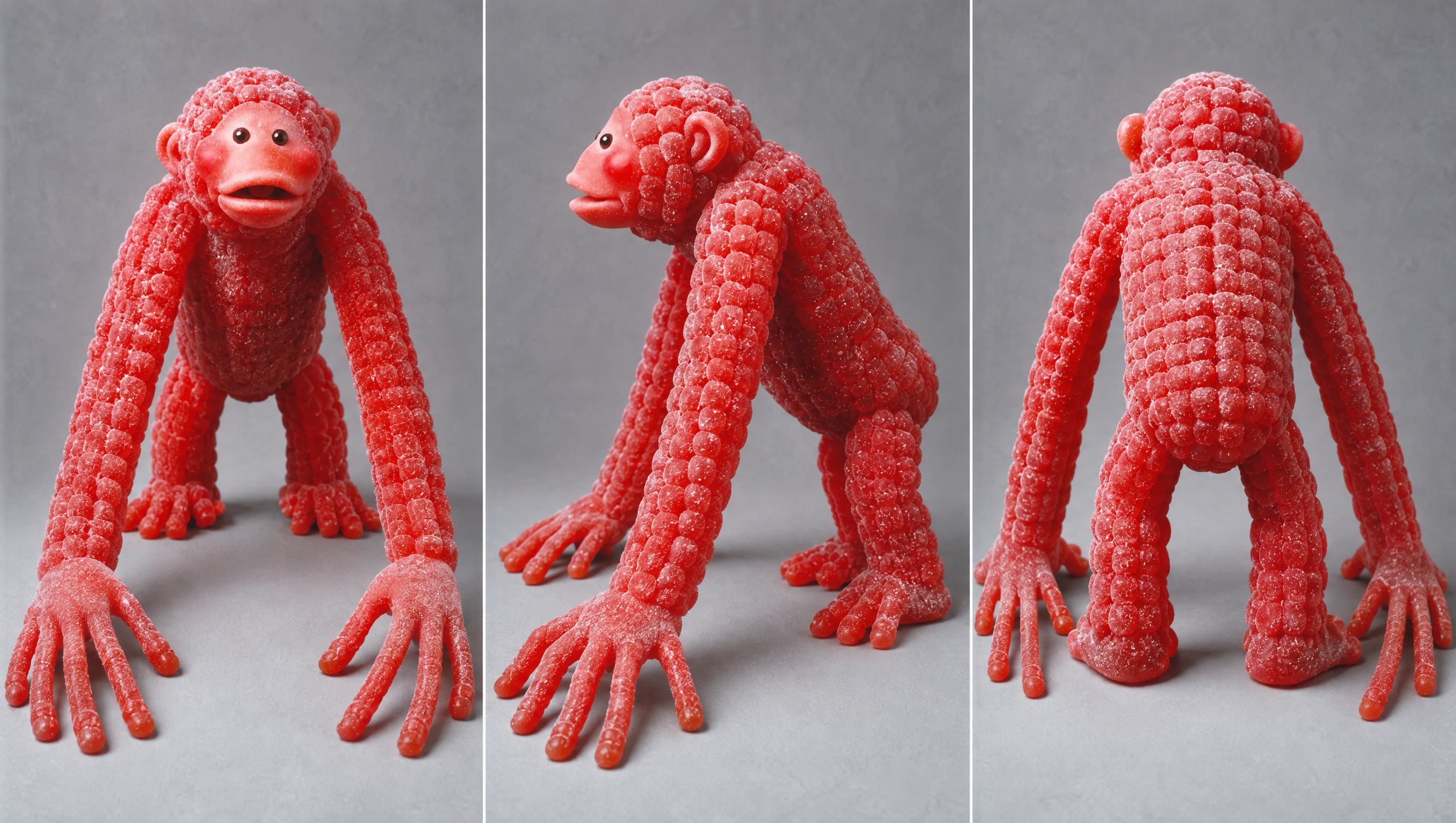
Image: cloudfront.net
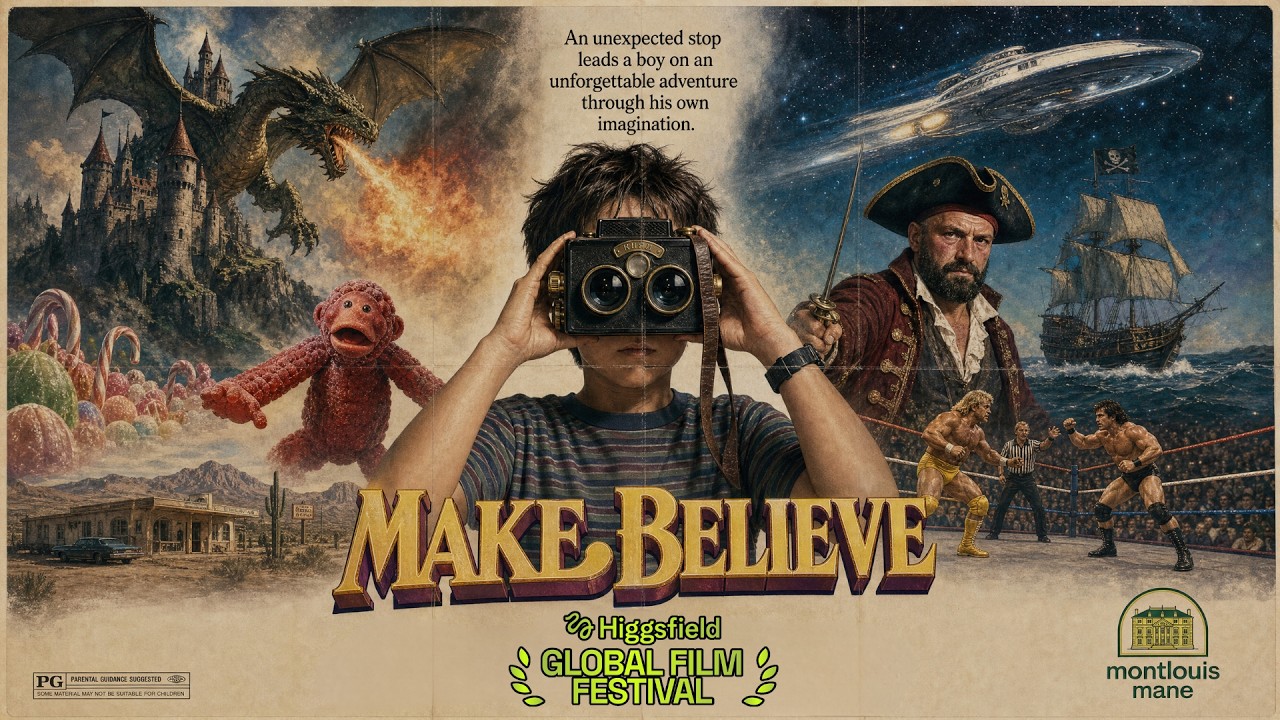
Image: ytimg.com
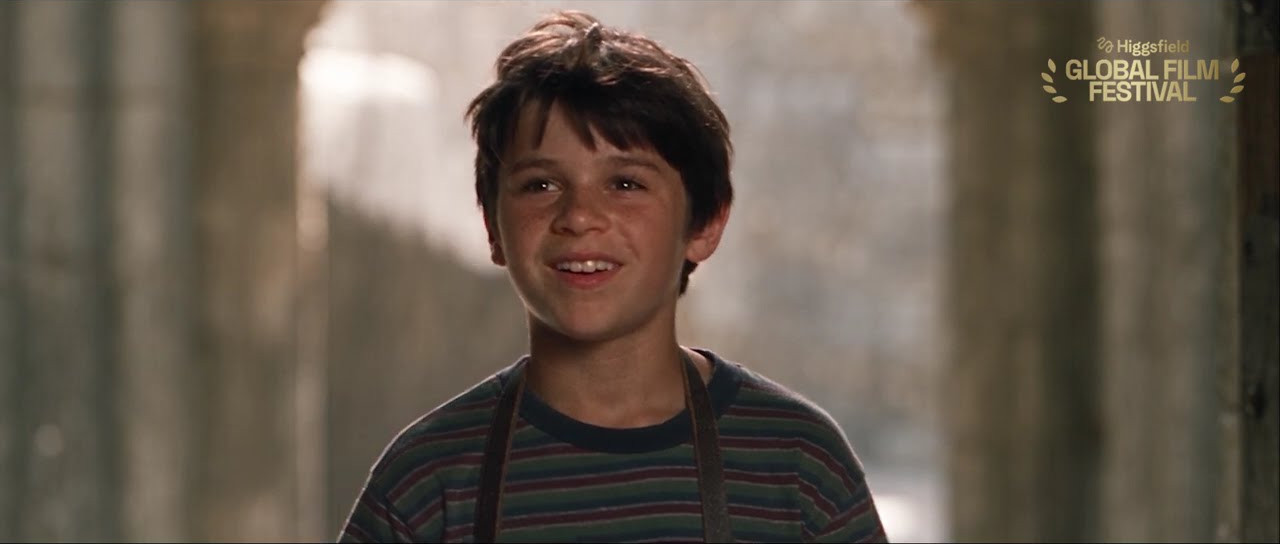
Image: ytimg.com
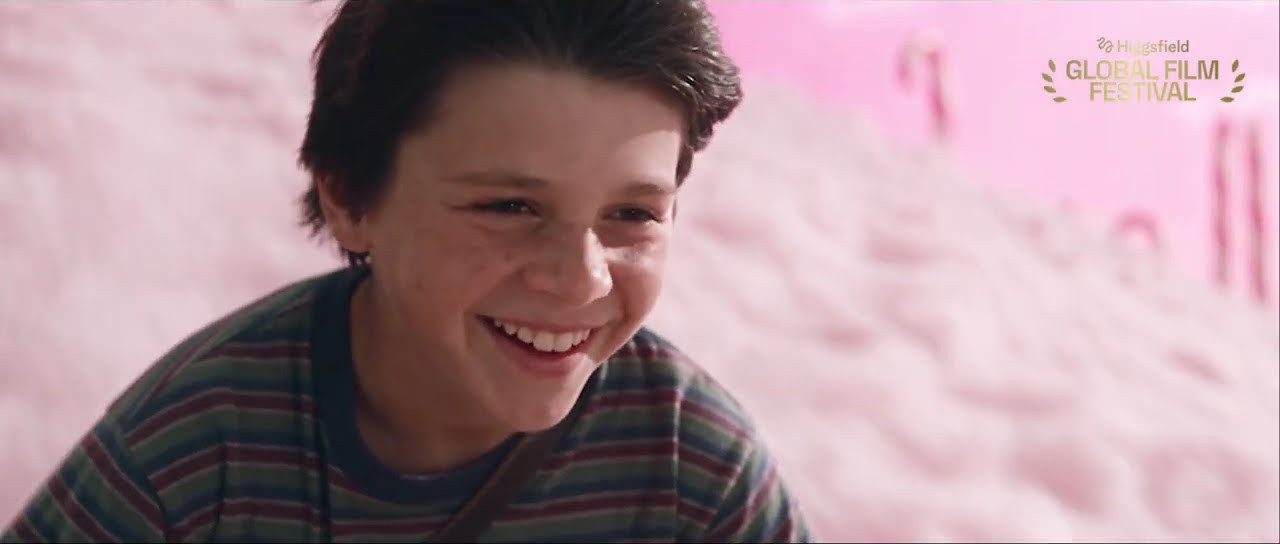
Image: ytimg.com
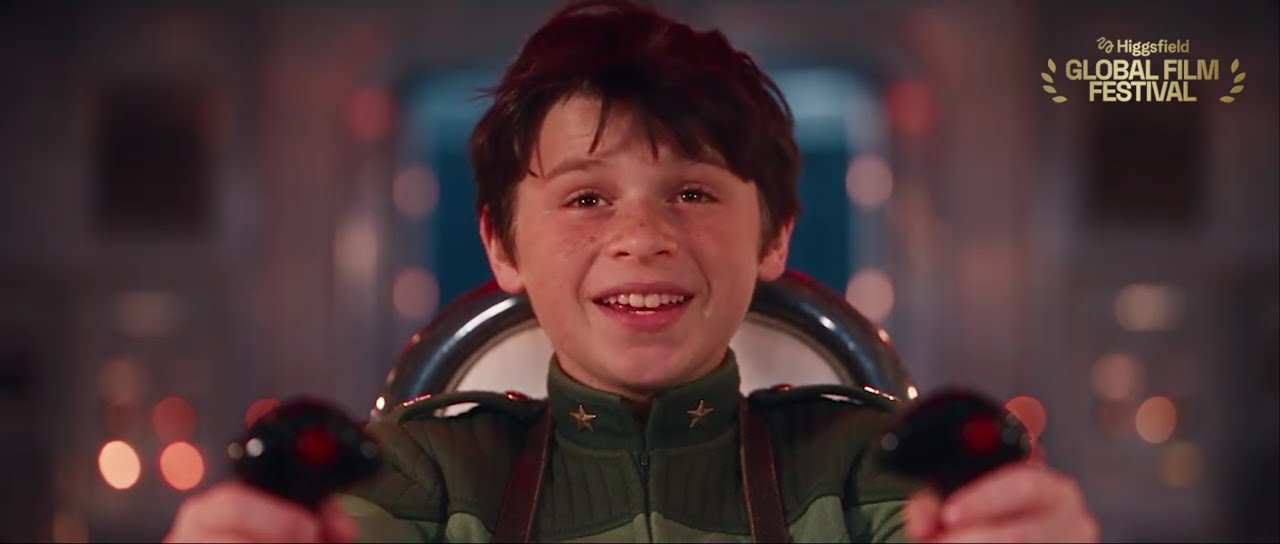
Image: ytimg.com
Related content
External Links · 3