Praise
The flashback sequence
“The flashback was one of the most impressive parts to me”View comment on YouTube
17 Oct 2026 · 2,865 works · 698 news indexed
Synopsis
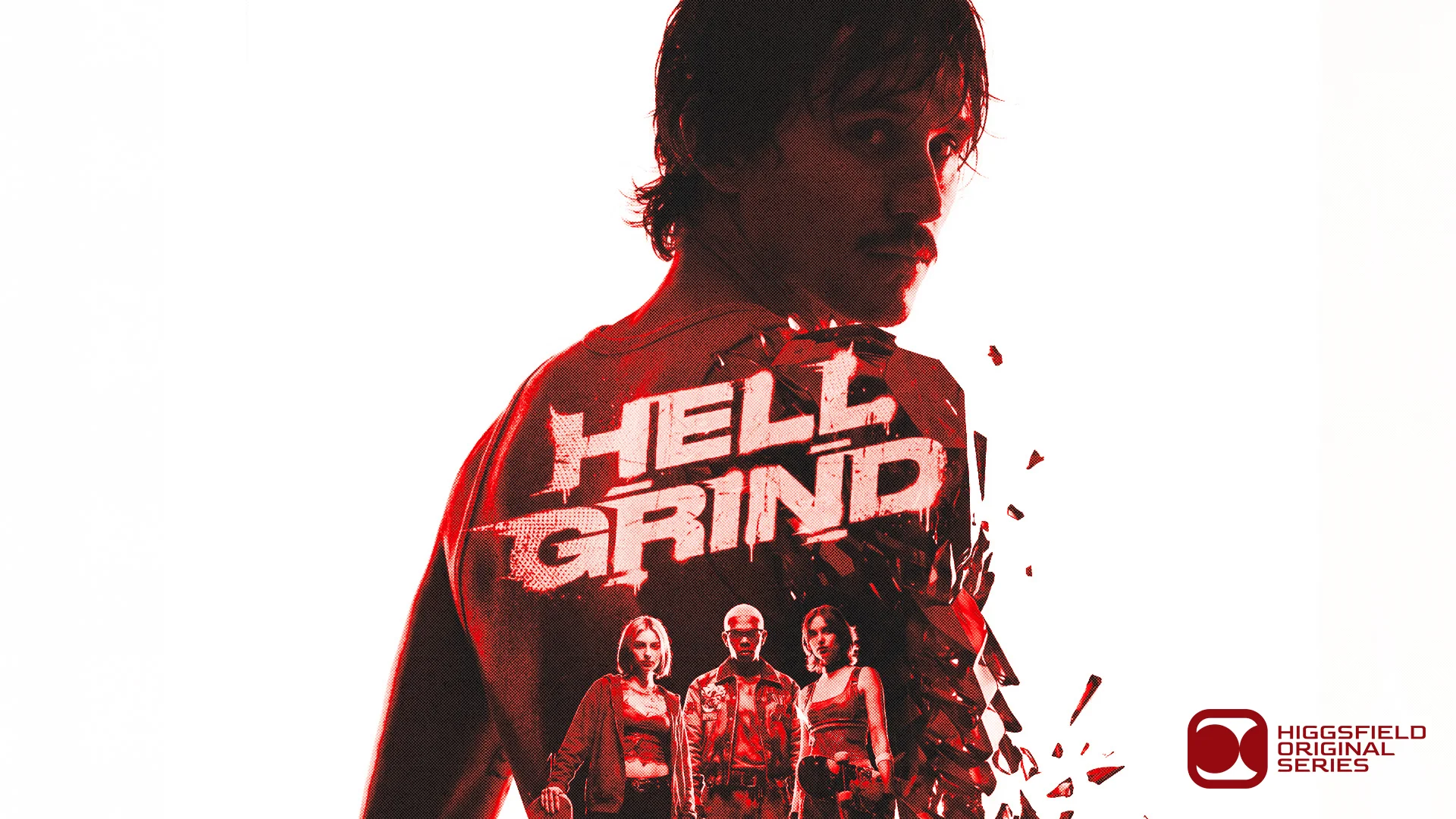
Four street thieves, Roco, Lulu, Jax and Rein, pull off what should be an ordinary museum heist. Roco is the crew's leader and mastermind, Lulu its stealth specialist, Jax the explosives expert and Rein the tech prodigy who hacks the systems that keep them from being caught. When Roco sets off an ancient artifact, it opens a portal to the underworld and gives the crew powers they did not ask for.
A bone-armoured demon drags Lulu through the portal, and what follows is a rescue that turns into a hunt. A demon-hunting organisation offers to help get her back, but only if the crew first finds the remaining artifacts. The search takes them from a Tibetan temple to feudal Japan and beyond, with hordes of demons in the way and an ancient evil behind them.
Roco and Lulu share a deep bond, and the story is as much his as the crew's. His fight to save her becomes a dark exploration of grief, and as the cost mounts he comes closer to losing himself and crosses lines his friends cannot follow. The tone is a loud, fast action-fantasy, built from chases, fights and monsters, with the human story running through it.
Last Updated 14 October 2026
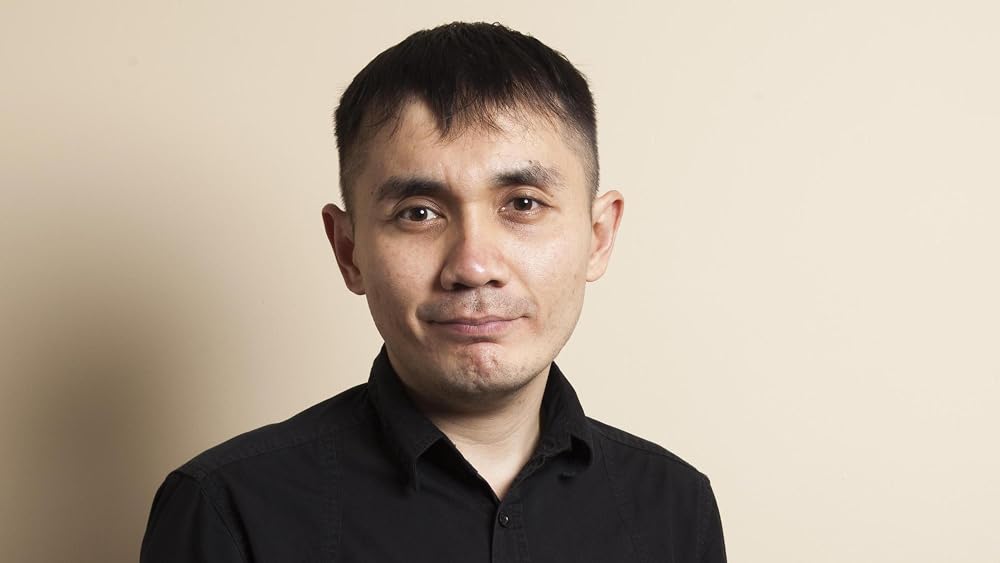
Hell Grind is a 95-minute English-language action-fantasy feature, released in 2026 and billed as the first feature film created entirely on the Higgsfield AI platform. It was made by the San Francisco-based AI video company Higgsfield, directed by the Kazakh filmmaker Aitore Zholdaskali and co-written with Adilkhan Yerzhanov. It can be watched on Higgsfield's own site, where it is released as episodes of roughly 22 to 25 minutes, and on YouTube, where the full film carries an upload date of 4 August 2026.
By Higgsfield's account every frame was generated, with no cameras, actors or sets. A team of about 15 directors, editors and prompt engineers, mostly working in person from Almaty, produced it in 14 days for under $500,000, roughly $400,000 of that compute. Higgsfield's brief names Seedance 2.0 for video and speech, Soul Cinema for faces and locations, Nano Banana Pro and Seedream 4.5 for image edits and GPT Image 2 for in-frame text; CineD adds Soul Cast, Cinema Studio 3.5 and some Google Veo 3. Prompts ran to around 3,000 words with physics written in, such as no floating props, and the first 25 minutes took 16,181 generations to yield 253 shots. Variety reports that all but one of the songs were AI-generated too.
Zholdaskali's 2025 feature Sicko played Rotterdam and SXSW London, and Yerzhanov has twice appeared in Cannes official programmes, according to CineD, which also names the UK finance and production outfit Goldfinch as a partner. Higgsfield's CEO Alex Mashrabov has described part of the process as having a feeling of a slot machine.
A teaser was shown at an industry event Higgsfield co-hosted in Cannes on 16 May 2026, and the film screened at the Cinema Olympia on 21 May, around the Marche du Film rather than in the festival programme. The festival told Futurism it was not in its official selection, so claims of a Cannes premiere are disputed. Closed screenings followed in Bishkek on 17 June and, per the stored record, in New York. In early August the full film went up on Higgsfield's platform and YouTube, and the prompts, character models and assets were then open-sourced as the showcase for the company's Global Film Festival. YouTube's upload had 491,258 views on 2 October 2026 and Higgsfield's platform 592,581 on 6 October, together about 1.08 million; the trailer had 231,959 views on YouTube on 6 October.
Reviewers praised the consistency of the faces and movement and were unconvinced by the rest. Variety called the plot nonsensical while noting the lifelike characters, the demon's single expression and flat line readings, and Mashrabov conceded that professional voice acting was missing. JoBlo's Chris Bumbray wrote that it screamed AI from start to finish, and CineD described a rough reception, though director Chuck Russell found the characters charming. CineD called Higgsfield's claim that a comparable traditional film would cost about $50 million unverified. The ending teases a sequel that Higgsfield says is not in development.
CineD argues that the production pipeline, not the Cannes positioning, is what working filmmakers should study, in particular the ratio of generations kept and the physics written into the prompts. Coverage presents it as the first feature-length film built entirely on one AI platform.
Audience sentiment
Mixed: viewers praise the flashback, the monster's Japanese dialogue and the sound and music, while criticism is of rapid cuts, a forgettable story and a soulless, video-game feel
51% positive
Based on 79 comments about the show on YouTube and Letterboxd
“The flashback was one of the most impressive parts to me”View comment on YouTube
“The monster speaking Japanese just works for some reason”View comment on YouTube
“The sound is insane 😮😮😮”View comment on YouTube
“This the type of movie you watch start to finish and then a couple hours later you don't even remember what it was about.”View comment on YouTube
“I think I'm going to go get checked for Epilepsy. These 2-3 second cuts are giving me a headache.”View comment on YouTube
“This is souless”View comment on YouTube
Measured 14 October 2026
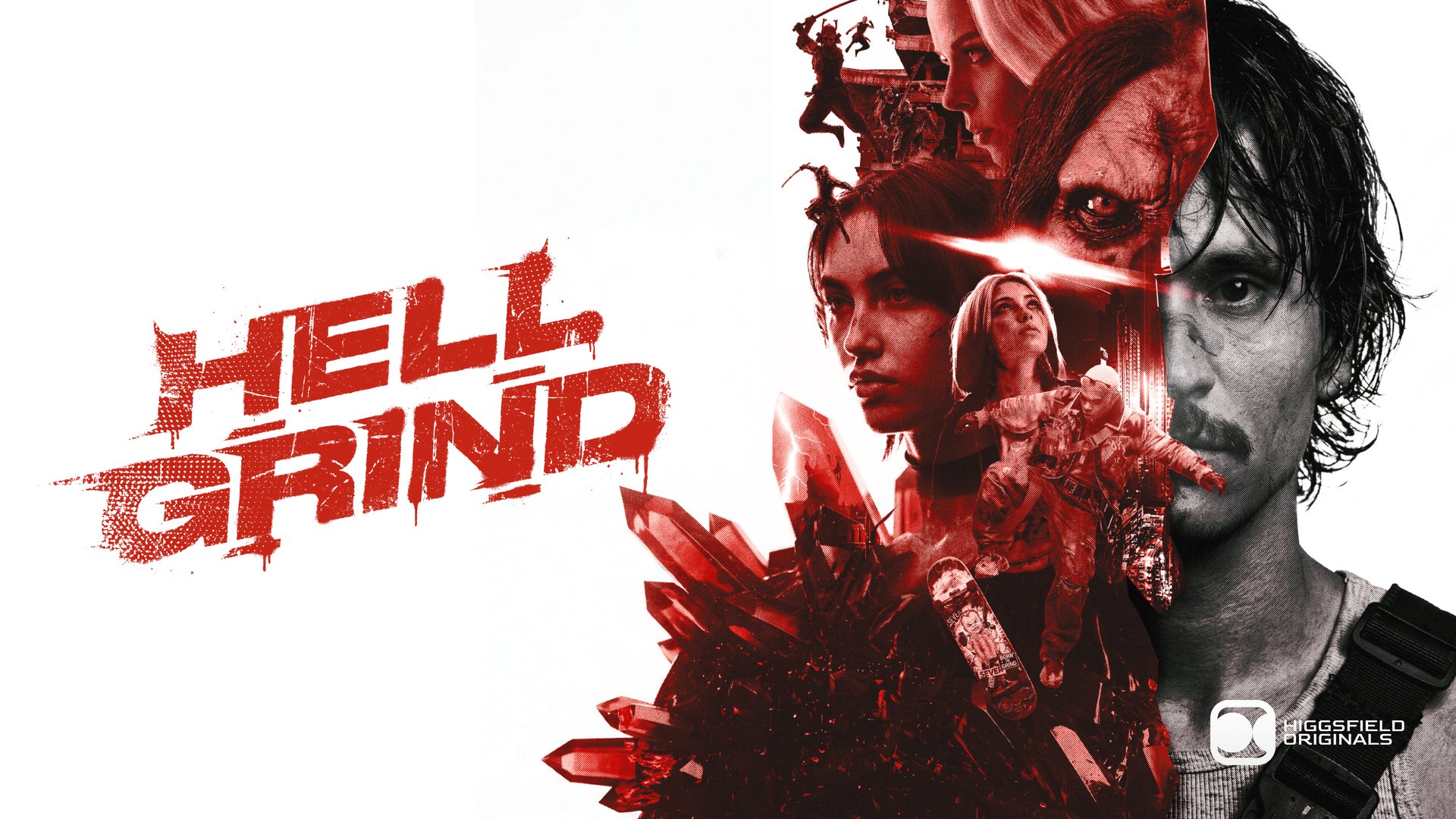
Image: higgsfield.ai

Image: variety.com
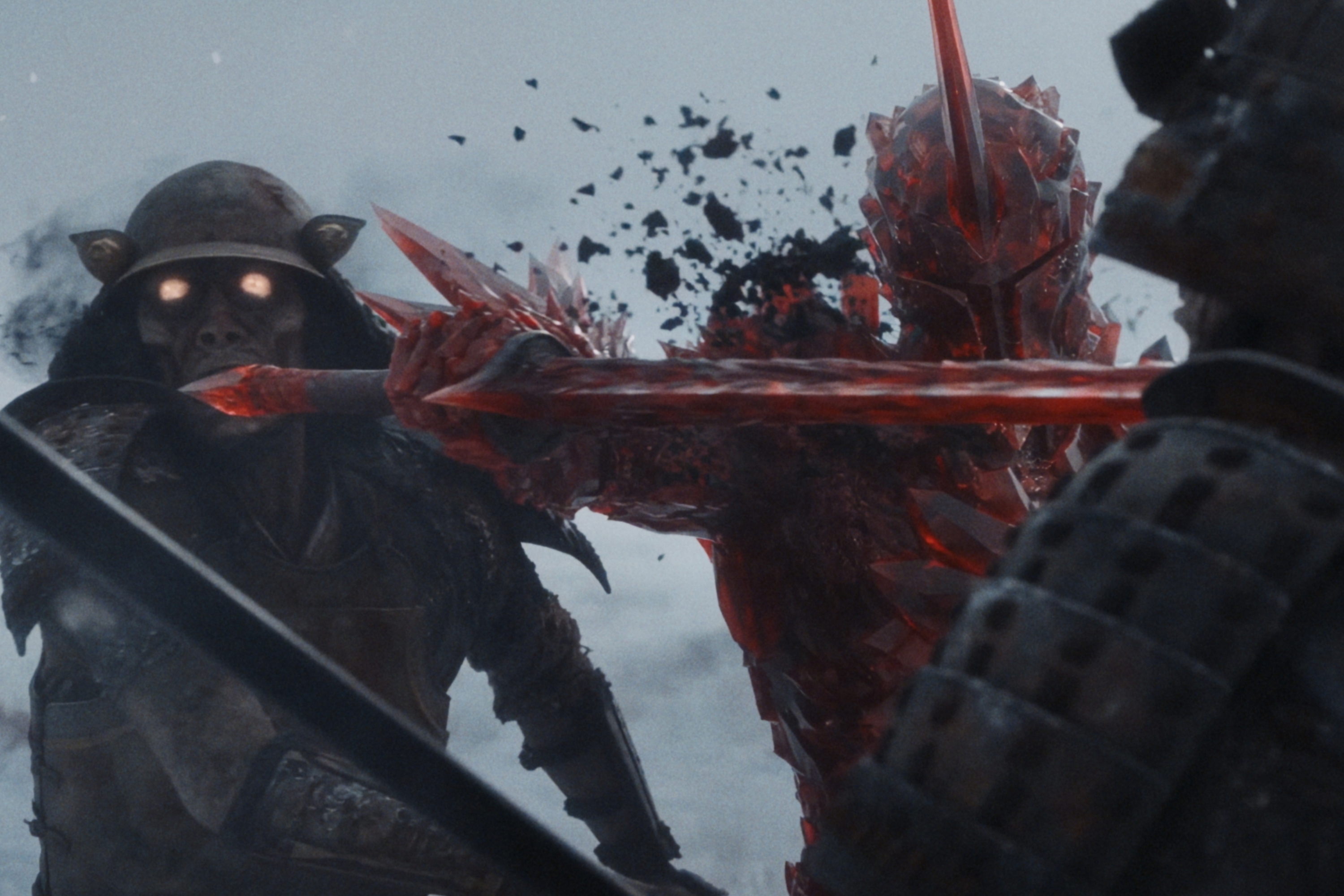
Image: variety.com
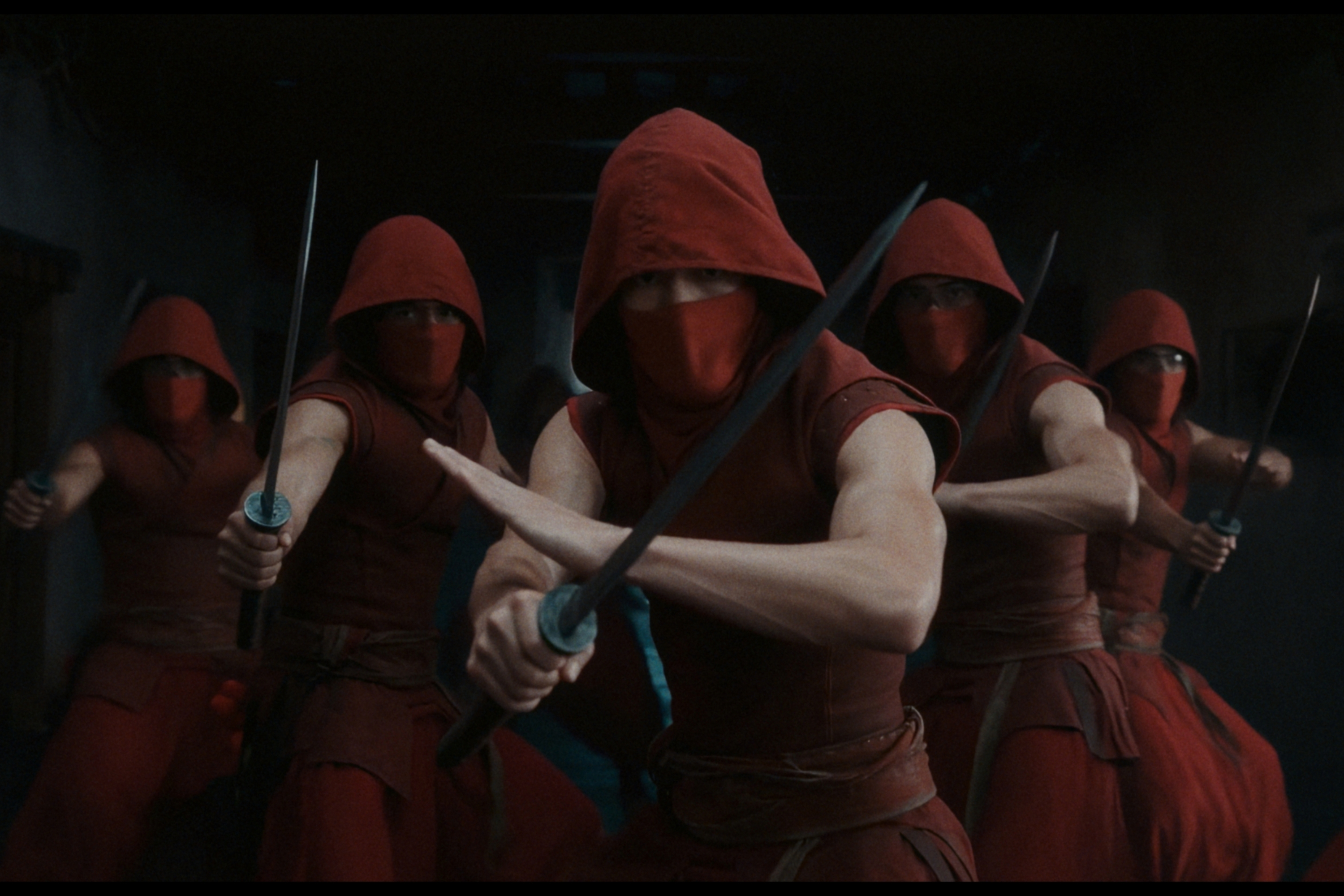
Image: variety.com
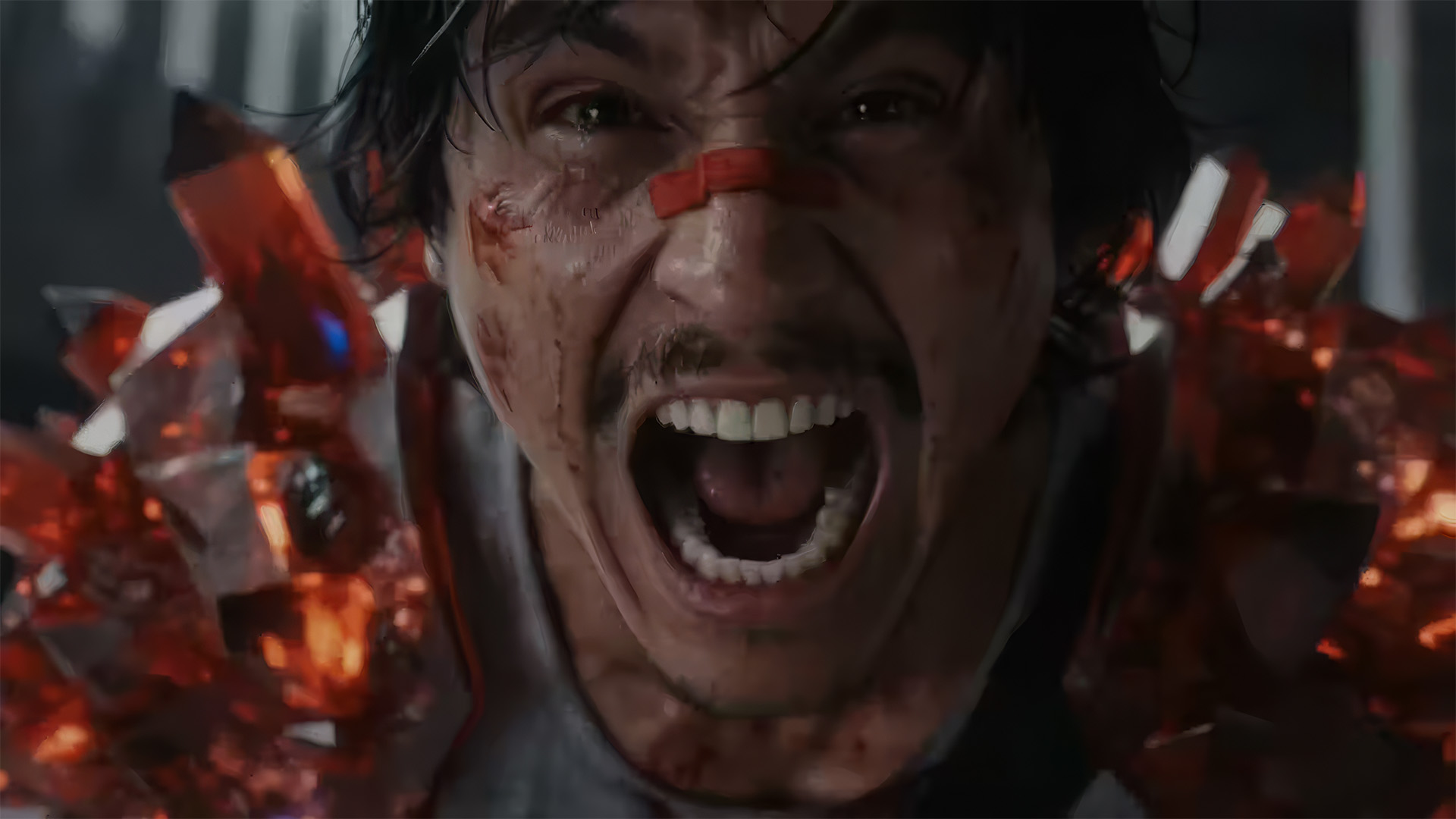
Image: cined.com
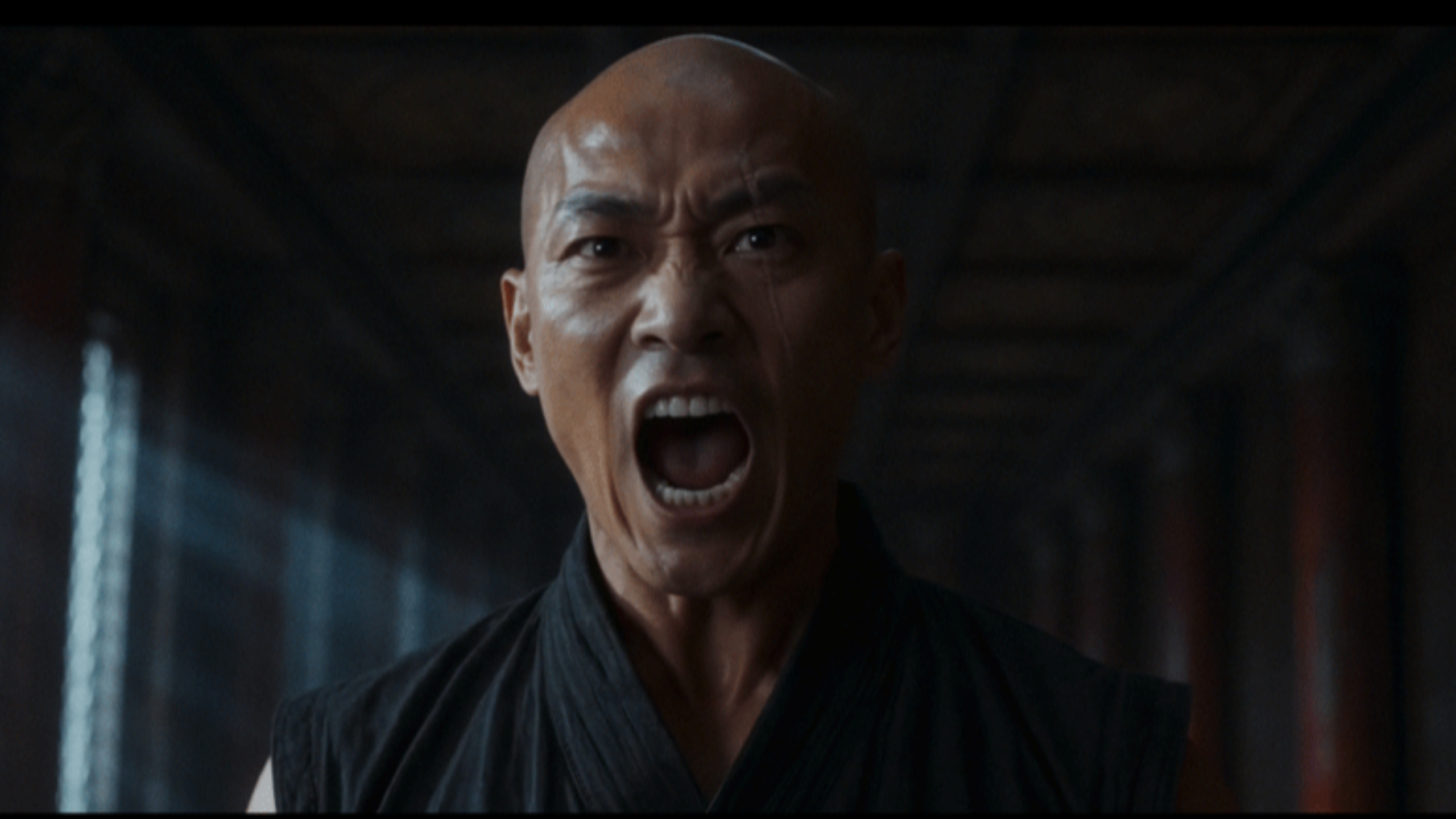
Image: horrorfuel.com
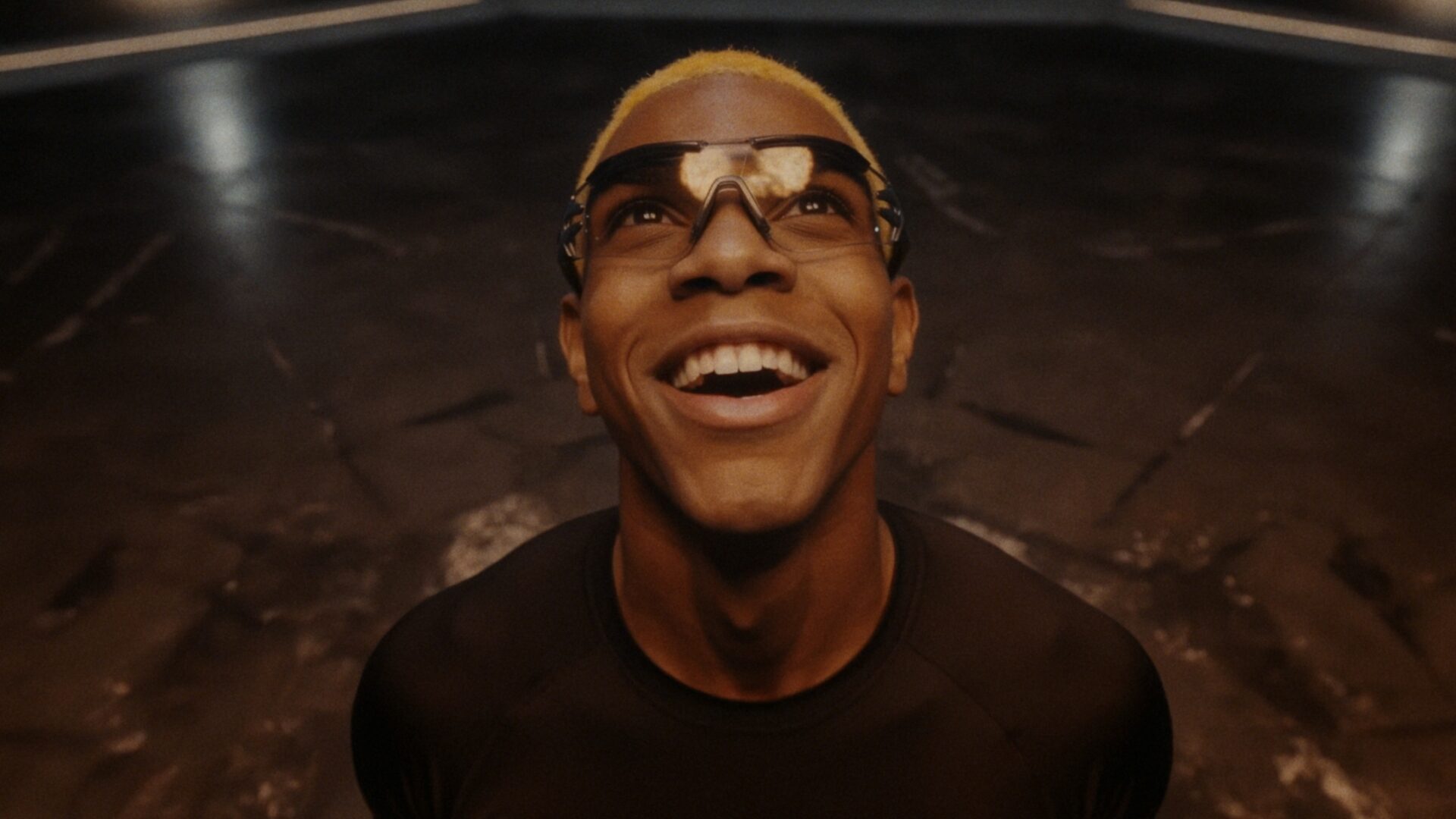
Image: cgmagonline.com
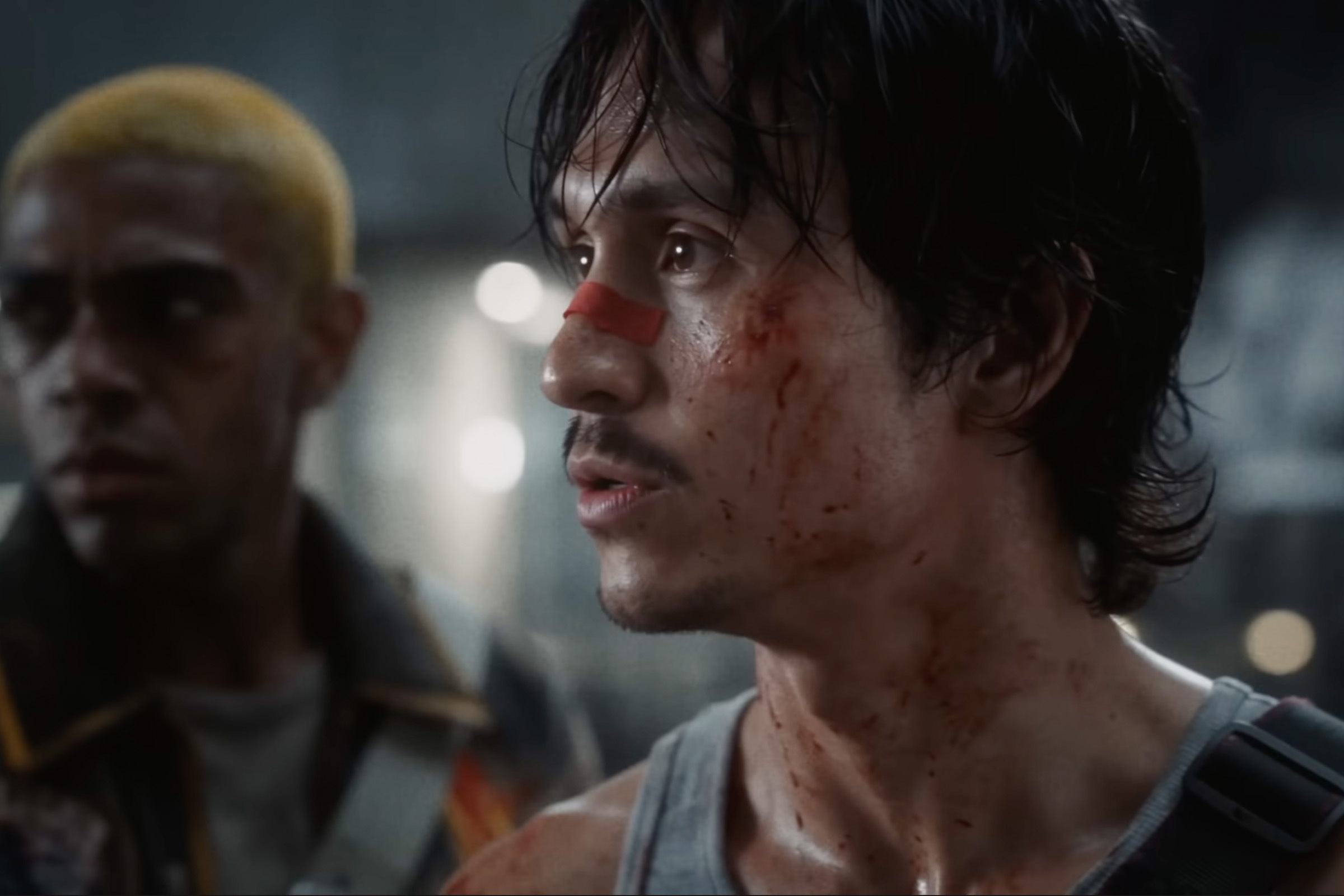
Image: futurism.com
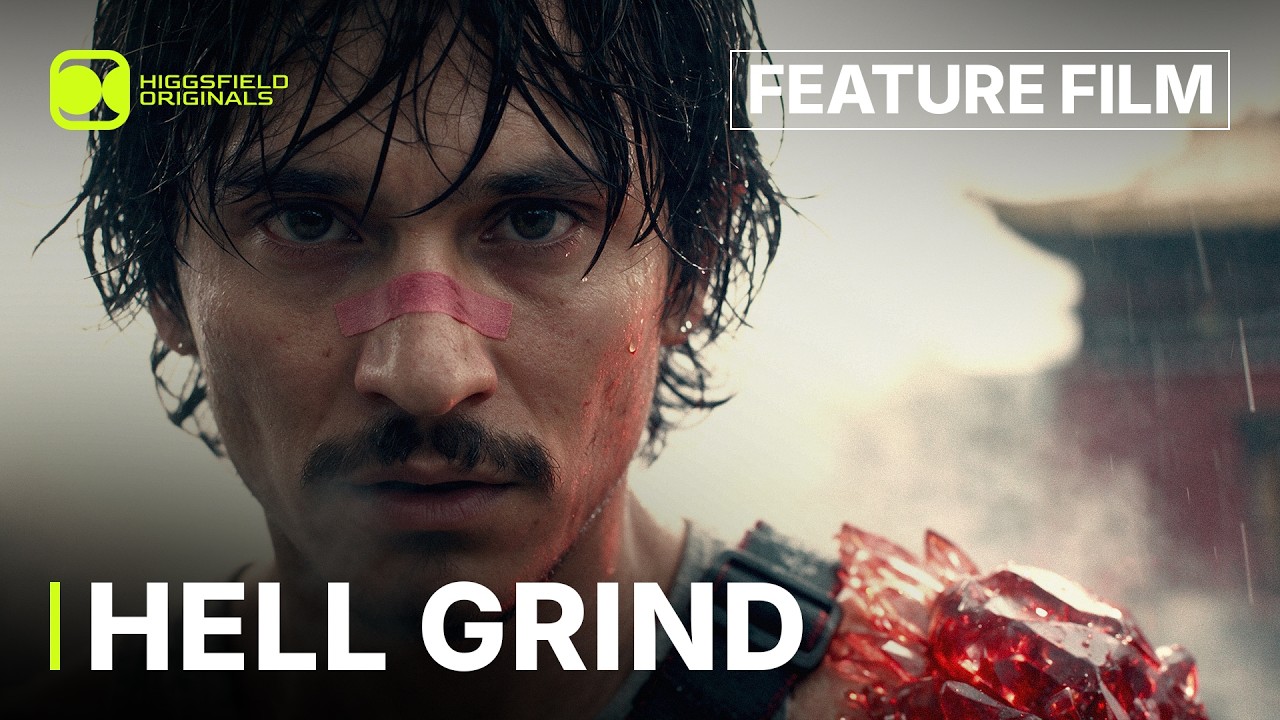
Image: ytimg.com
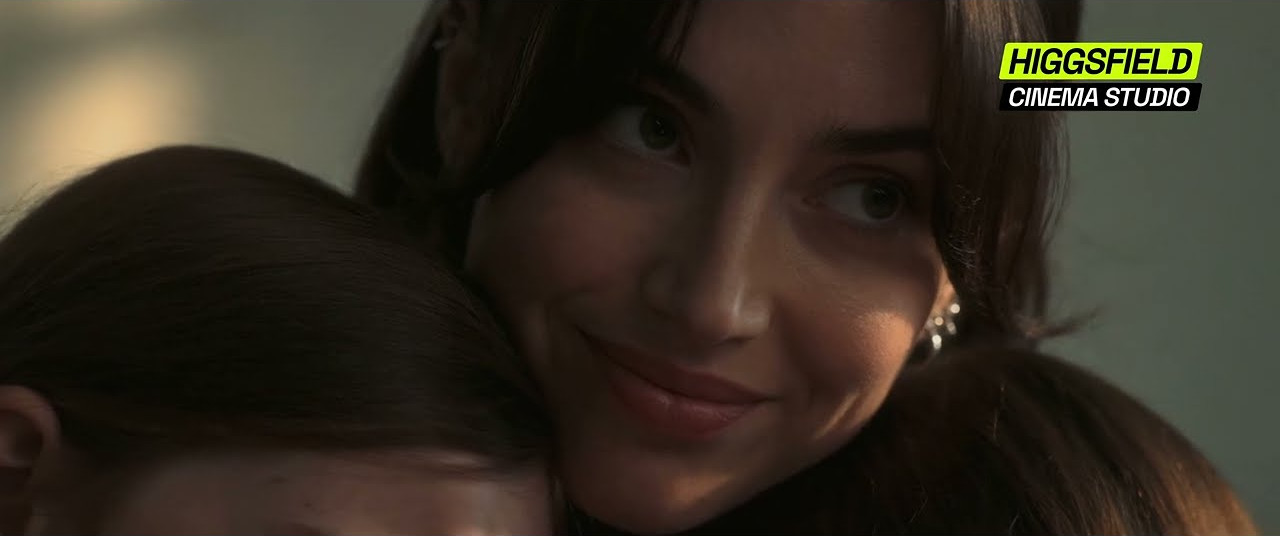
Image: ytimg.com
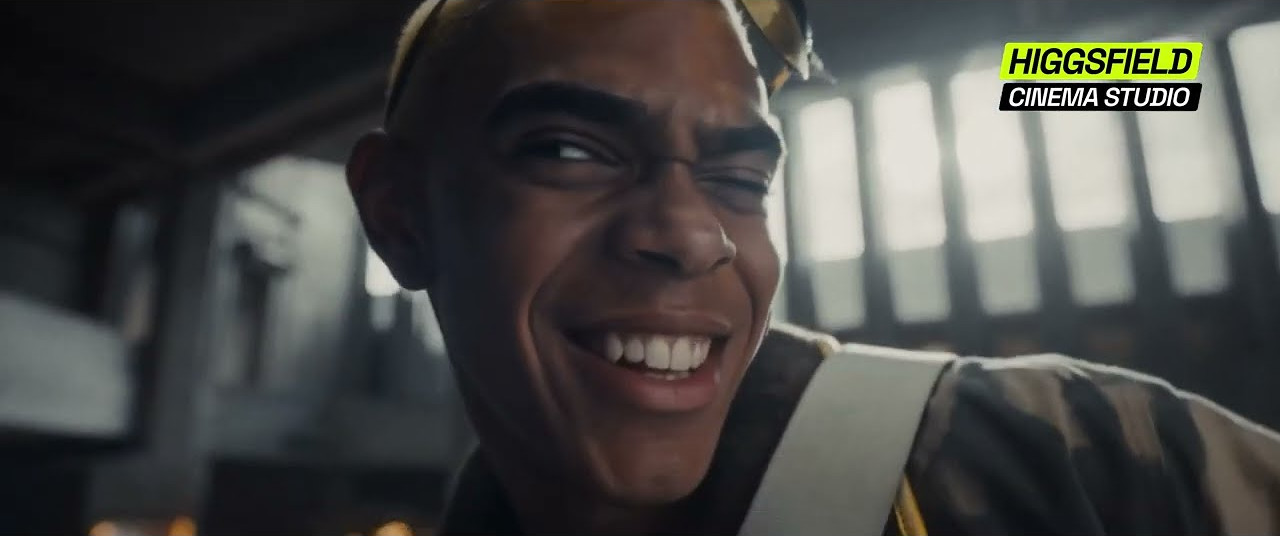
Image: ytimg.com
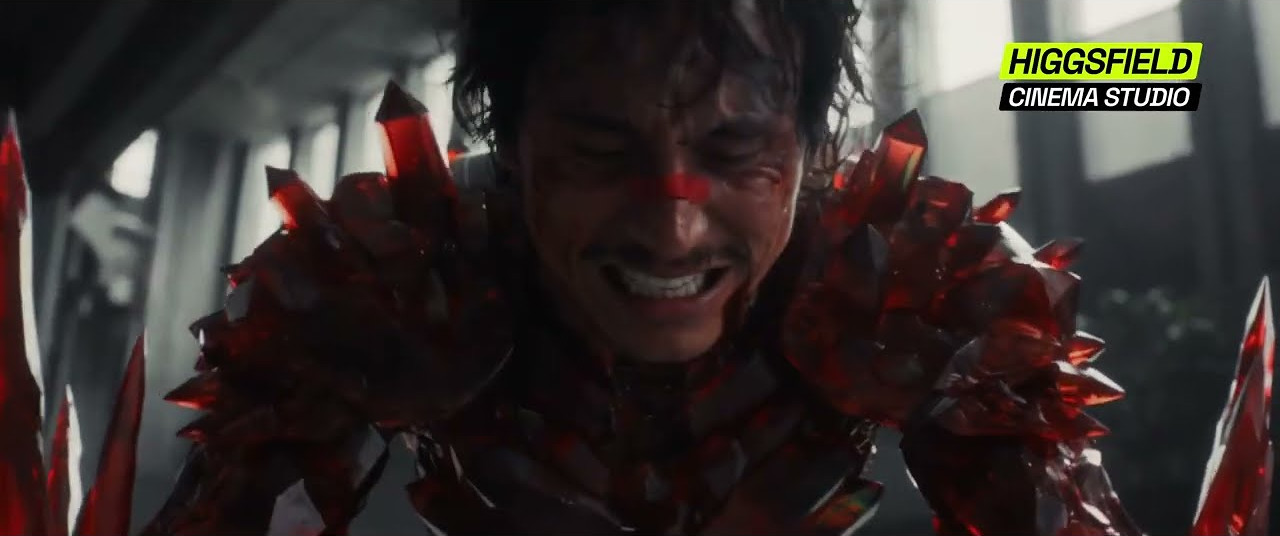
Image: ytimg.com
Related content
On YouTube