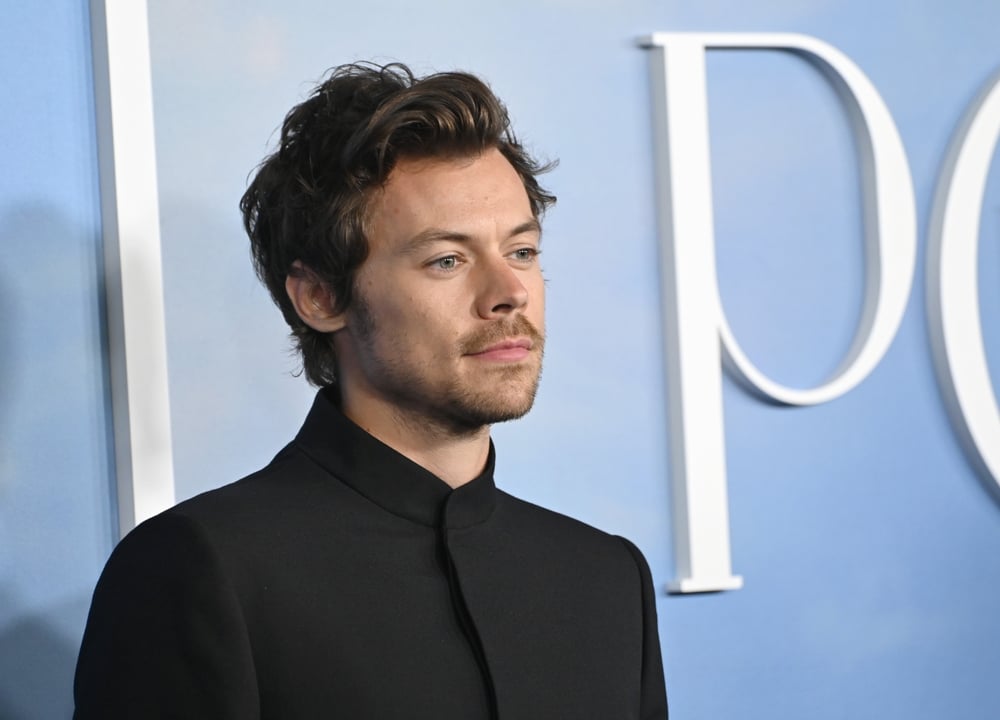
Sony Music says that by the end of September it had asked streaming and other platforms to take down more than 260,000 AI-generated tracks that impersonate its artists. The number came out through the Financial Times on 5 October and was then relayed by Music Business Worldwide and Music Ally.
That is close to double the 135,000 the label reported at the end of March 2026, and far above the roughly 75,000 it cited a year before that. Across the second and third quarters it works out at more than 20,000 requests a month. Harry Styles, Adele, Britney Spears, Queen and Michael Jackson are among the artists whose voices were copied. The FT did not say how many of the tracks were actually removed, how fast, or which services received the requests. Sony's count is therefore a measure of how much it has asked for, not of how much has disappeared from the platforms.
“AI streaming fraud is fast becoming an epidemic for the music industry, and the exponential growth should alarm everyone”
Jamie Njoku-Goodwin, former CEO of UK Music, quoted by the FT, quoted by the Financial Times · musicbusinessworldwide.com ↗
Sony's objection is that the fakes borrow artists' voices and likenesses without permission, harm the musicians and mislead fans. It says it will keep enforcing its rights and expects platforms to act quickly and stop identical uploads returning, while conceding that the job is turning into an uphill struggle. Music Ally reads the decision to publish the total as a bid for more backing from policymakers, and Sony supports the NO FAKES Act. Music Ally also notes that the new total sits well above the March 2025 count, so the pace of requests has clearly climbed rather than levelled off. The FT report also gives readers no way to tell whether the pace is slowing.
The reporting places the numbers beside wider signs of strain. Label executives estimate that streaming fraud could cost the industry as much as $2.2bn a year. Deezer said in July that it was receiving nearly 90,000 fully AI-made tracks a day as of June. A Sonic Intelligence Academy report on 1,743 submissions, cited by the FT, found that 92.8% had been made with Suno. Another executive voice, that of former UK Music chief Jamie Njoku-Goodwin, is quoted in the FT piece describing the growth as alarming.
Illustration of the word 'fake' written in graffiti, used by Music Ally for the story
Image: Music Ally
Platforms and artists have been responding in steps. Spotify introduced an impersonation policy in September 2025 and piloted Artist Profile Protection in March 2026. In late 2025 The Orchard sent takedown notices over the viral track I Run by Haven, which had drawn comparisons with Jorja Smith. Some artists have also begun filing voice trademarks: Swift in April, then Lionel Richie and the Backstreet Boys in June.
On the legislative side, the NO FAKES Act has been reintroduced more than once since 2024. It cleared the Senate Judiciary Committee unanimously on 18 June, and as written it would oblige platforms to remove flagged replicas as soon as feasible if they want to keep their safe harbor.
Sources · 2