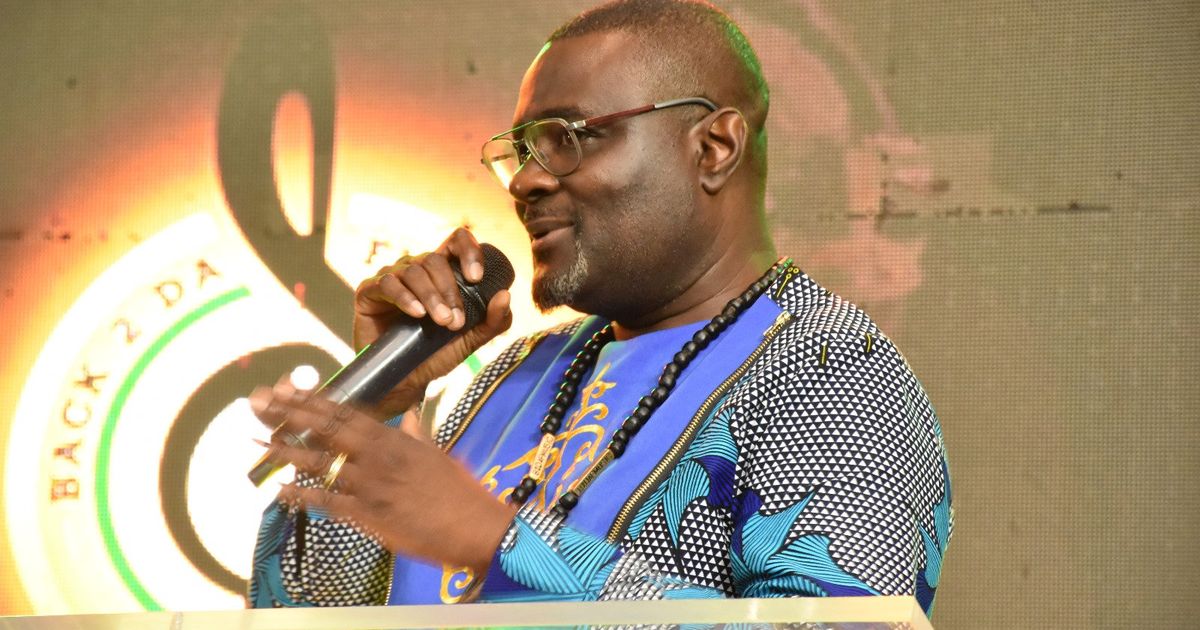
UK-based music executive Kennedy Mensah, founder of Back 2 Da Future Music and the Excellence in Music Ceremony, has urged Jamaica's music business to make sure its creators are credited and paid as AI changes how records are made. He spoke to Caribbean National Weekly at Pot of Gold Recording Studios in Kingston, after his ceremony was recently held at the city's Courtleigh Auditorium.
Mensah, whom people call Mr President, said the industry is in flux and nobody can yet say where AI will lead; he said it is too early to give a definitive answer. What is already clear to him is that artists, producers and engineers use AI on vocals, recordings and mixing, and that major labels and larger independent publishers have begun licensing AI companies. He sees something familiar in it and compared this with the arrival of Spotify, when streaming services had to sign licensing deals with record companies.
For him the real questions are ownership, recognition and a fair share for creators, and that share could matter especially to a small island whose sound runs through so much popular music worldwide.
His warning draws on reggaeton, and on how often Jamaican music has shaped genres far from the island. Mensah recalled Spanish-speaking artists translating Jamaican hits for their own audiences, including songs linked to Barrington Levy and Shabba Ranks, and argued that the genre's dembow rhythm is named after Shabba Ranks' Dem Bow. He accused parts of the industry of hiding behind technicalities to avoid crediting Jamaica. He said he had watched it happen in real time, and was just as frustrated that Jamaican-influenced hits such as Justin Bieber's Sorry and Ed Sheeran's Shape of You were filed under labels like tropical house.
As one of the clearest examples of why origins and ownership matter, Mensah also pointed to a US federal judge's recent dismissal of the core copyright claims in dancehall producers Steely & Clevie's lawsuit, which had targeted nearly 2,000 reggaeton songs by more than 150 artists, including Bad Bunny, Karol G and Daddy Yankee.
The piece accepts that AI raises different issues from reggaeton's long cultural exchange, such as training data, synthetic voices and machine-made recordings. It also notes that reggaeton is now a global force with its own artists and history, and that Mensah's case is about whether Jamaica's early role has been properly acknowledged rather than an attempt to erase that. Its worry is that if Jamaican recordings, voices and rhythms become raw material for AI music, the island could again watch its sound travel and earn elsewhere without recognition.
Mensah's streaming comparison offers some cautious hope, since licensing did become central there and similar talks over AI are already under way. But the island's experience shows that recognition gets harder once a sound spreads, changes and succeeds elsewhere, and AI, which can analyse vast amounts of existing music and turn out something that sounds new, could make questions of musical lineage far murkier. His underlying principle, as the piece puts it, is that creators must hold a stake in whatever comes next. The article closes by asking whether Jamaica will simply influence the next musical shift or see its creators paid for helping build it.
Sources · 1