Germany and ten other EU countries have asked the European Commission to bring forward new legislation protecting copyrighted works in the age of AI. Besides Germany, the signatories are Spain, Poland, Austria, Cyprus, Croatia, Denmark, Estonia, Portugal, Slovakia and Slovenia. They set out the request in a note filed for the agenda of the culture ministers' meeting in Brussels on 20 and 21 November. Euronews reported the note on 17 November, and Complete Music Update followed two days later. CMU also reports that Germany and Austria are backing the copyright call.
Eleven countries signed in total, and both outlets say the note wants a legislative proposal at the earliest opportunity. It also asks for quick steps to make the opt-out in the existing Copyright Directive, which lets creators keep their work out of AI training, easier to enforce. It argues that AI's move from research into everyday use has upended how art is made and experienced, and it calls for fair competition with non-European AI providers, wherever their systems were trained. The note presents these asks as a response to AI's practical, everyday use rather than to research.
“The aim is to protect human creative work while enabling AI innovation in Europe.”
Note submitted by eleven EU states, in the note for the Culture Ministers' meeting, as reported by Euronews · euronews.com ↗
The countries present this as a balance between safeguarding human creators and keeping Europe's AI sector able to innovate. Culture ministries and the creative industries say scraping copyrighted work for training amounts to mass theft that undermines livelihoods. The tech sector replies that restricting access to such material would leave Europe further behind the US and China. Governments are split too: economy ministries tend to side with start-ups, culture ministries with creators. Many AI firms argue the EU's text-and-data-mining exception already covers training, and CMU expects the music industry to welcome the call while noting that nothing is assured.
The AI Act already carries some copyright and transparency obligations, which copyright industries say do not go far enough. The Commission's work programme places a legislative package on digital transformation, simplification and copyright in the second quarter of 2027, and it closed a public consultation earlier in November on strengthening copyright protection, including for protected content used in AI.
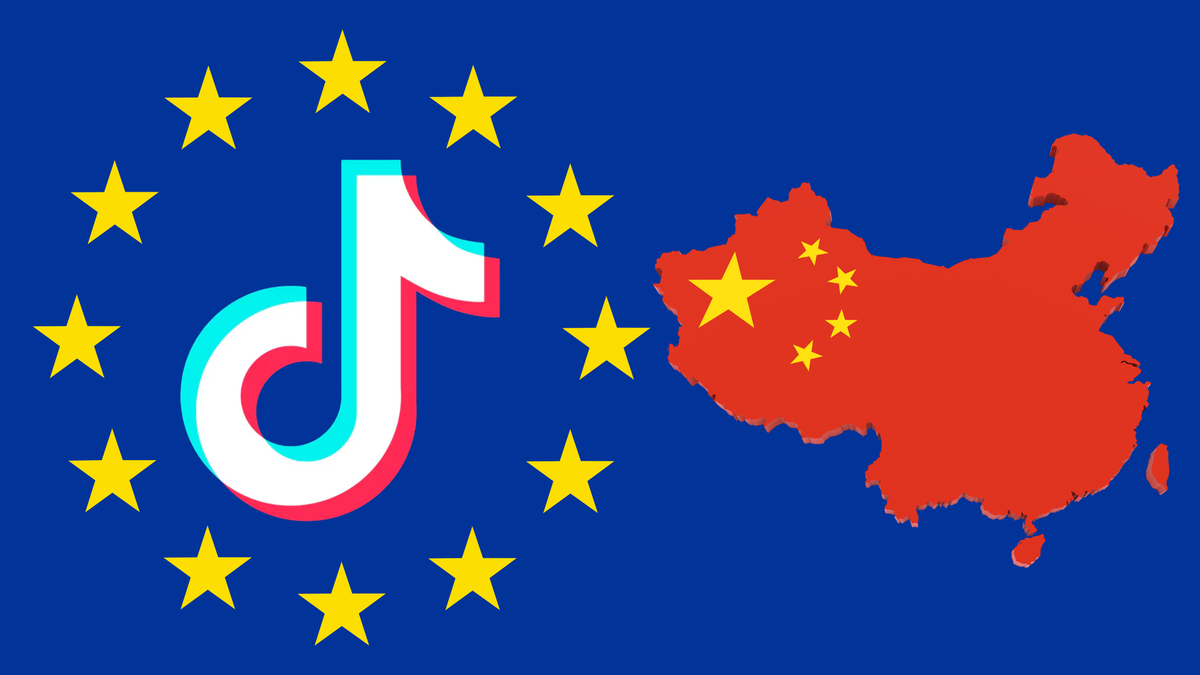
CMU's header graphic for its report, which also covers the German-Austrian push for European ownership of TikTok Europe
Image: Complete Music Update
The move follows a similar call in May by eight countries. On 12 May Spain, backed by Germany, Portugal, Slovenia, Slovakia, Greece, Austria and Estonia, put AI and copyright on the Culture Council agenda. That month the Council debate echoed the European Parliament's March resolution, and Commission Executive Vice-President Henna Virkkunen acknowledged that more targeted measures are needed. Euronews reads the two initiatives together as a sign that support for action is growing.
About the European Commission
The European Commission is the executive branch of the European Union, based in Brussels and Luxembourg and in existence since 16 January 1958. It is the body that proposes EU legislation.
Copyright and generative AI have been put to it before. On 10 March 2026 the European Parliament adopted a report urging the Commission to initiate legislation on the challenges of generative AI and to facilitate voluntary sectoral licensing. At the Culture Council debate on 12 May 2026, Executive Vice-President Henna Virkkunen acknowledged that creators struggle to control how generative AI uses their works and said additional targeted measures are needed alongside existing ones.
CMU's report also covers a separate proposal from Germany's Wolfram Weimer and Austria's Alexander Pröll that TikTok's European operations be put under European ownership. TikTok told Politico the idea has "zero merit". CMU presents the ownership idea as separate from the copyright call, and TikTok's reaction came as the ministers prepared to meet. The ministers take up the proposals in Brussels on 20 and 21 November.
Sources · 3
Comments