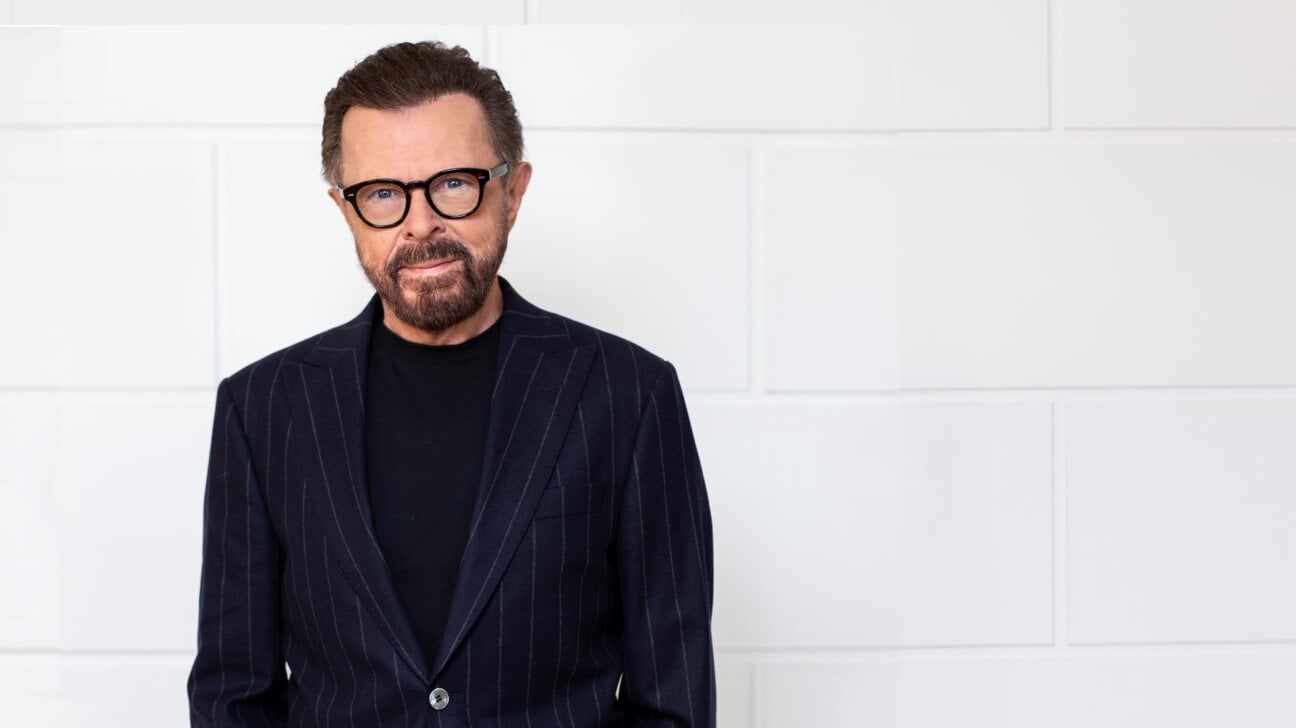
Songwriters and other creators signed a declaration on stage in Paris on June 4, at the hundredth-anniversary General Assembly of CISAC, the global confederation of authors' societies. Called the Paris Commitment, it asks governments, tech companies and the cultural industries to make sure human creators stay protected, credited and fairly paid as AI spreads.
The text rests on four principles: protecting human creativity and cultural diversity, transparency and fair pay inside AI systems, a role for collective management organisations, and government action to defend creators' rights. It argues that AI should support creative work rather than exploit it, and opens by calling creativity what makes us human. CISAC president Björn Ulvaeus of ABBA presented it as a united message from creators worldwide. More than 450 people attended, and a public campaign is inviting others to add their names.
CISAC says its 227 member societies in 111 countries represent over 5 million creators and collect more than €14 billion a year. It has pushed this cause for some time: a study it commissioned in 2024 estimated generative AI could take about a quarter of music creators' income by 2028, and Ulvaeus has lobbied Brussels to keep the copyright and transparency duties in the EU's AI Act.
The declaration lands amid fights in several countries. The UK dropped its preferred opt-out training exception in March after a wave of protest from artists, GEMA won a lyrics case against OpenAI in Germany and is suing Suno, and the major labels' US cases against Suno and Udio have partly turned into licensing deals.
Sources · 1