 Steve Balderson
 Praise
Called marvelous, with a vision worth sharing
“Marvelous. Absolutely marvelous. If you can dub this in Aramaic, I know someone who needs to see Dr Suglia’s vision of the near future.”View comment on YouTube
17 Oct 2026 · 2,828 works · 697 news indexed
Synopsis
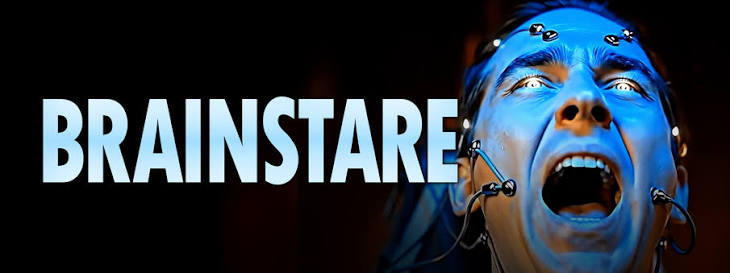
BRAINSTARE is a psychological science-fiction thriller set in a near-future corporate world where a person's consciousness can be scanned and sold. Its central figure, Anthony, is an employee of the Malos megacorporation who faces a mandatory scan of his deepest memories, and refusing it risks being fired and ostracised.
Most of the first act, about 80 minutes by one reviewer's count, plays out in Anthony's home. There Sheba, who is both his partner and his colleague, presses him to comply, and her questioning grows into increasingly dangerous mind games. A figure called the Invigilator also appears. The second act is shorter and moves to a different setting; the pages do not describe it.
The conflict builds towards the activation of the Brainstare, a neuro-scanning machine that exposes hidden layers of guilt, memory and control. The director describes the themes as consciousness, surveillance, psychological distortion and shifting identity, and says the story is about human obsessions, compliance and surrender rather than about AI. A reviewer also reads it as a study of corporate control over employees and of humanity's relationship with the unconscious, in a Black Mirror-like vein.
The film plays as two chamber dramas in two interior locations, with long, dialogue-heavy scenes in which the characters talk through the procedure and what it might reveal.
Last Updated 14 October 2026
BRAINSTARE is a 137-minute feature film, dated 2025, from Dikenga Films. Steve Balderson directed it from a screenplay by Dr. Joseph Suglia, and Balderson and Jimmy Cohen edited it. Its makers call it the first "live-action" feature realised entirely by AI yet written, directed and edited by humans. It is free to watch on YouTube, and also sold on Vimeo On Demand and streamed on the Relay app, which FilmInk says it reaches through the FilmHub aggregator.
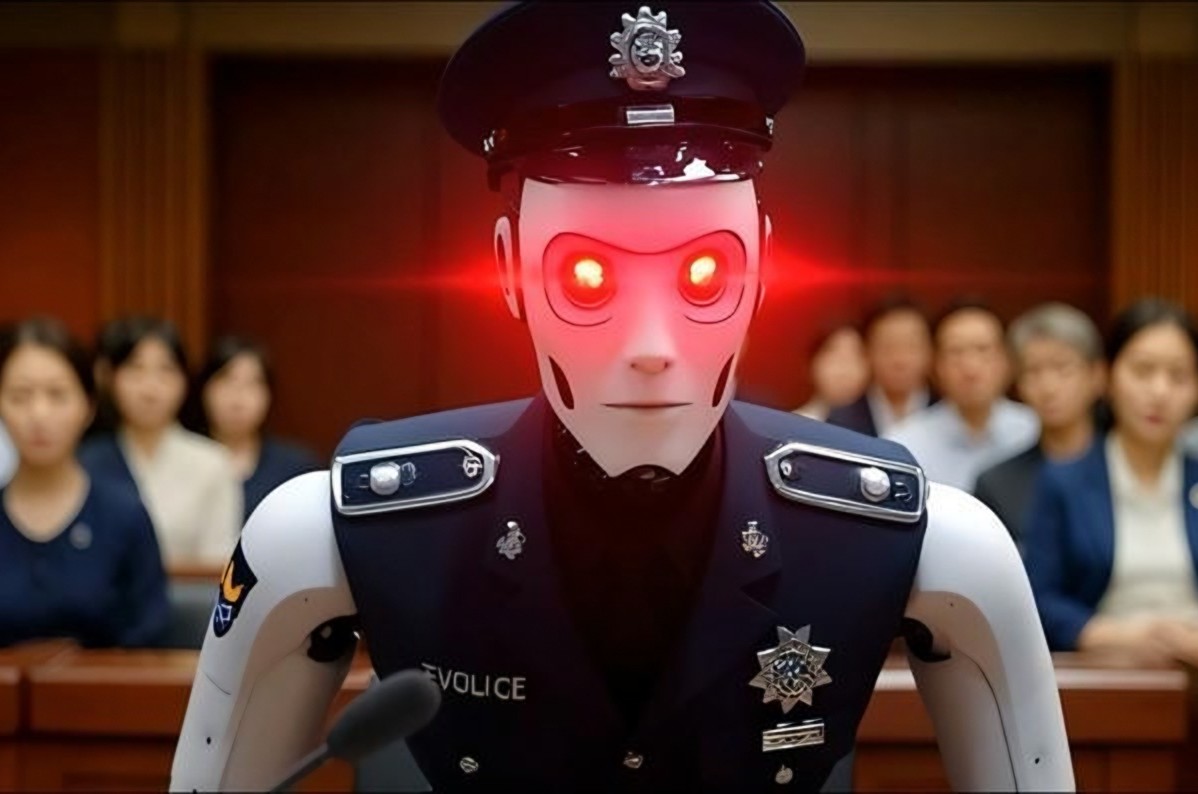
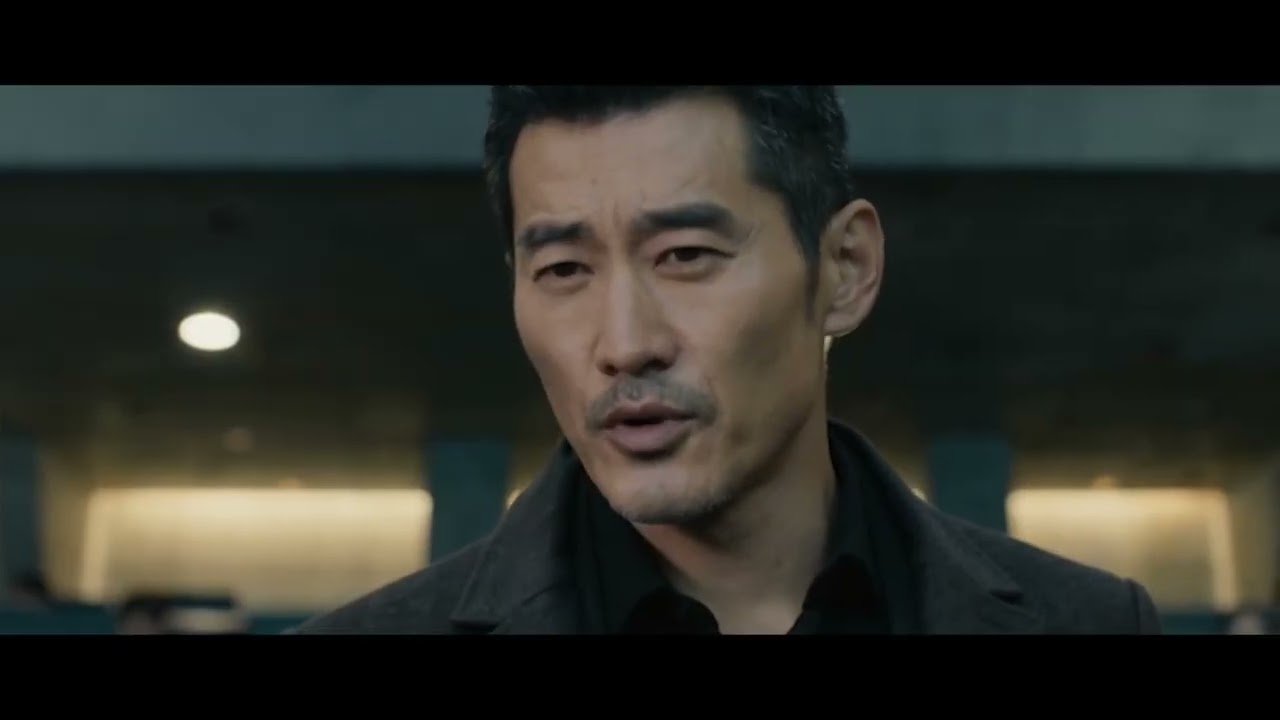
According to FilmInk, every image, performance and frame was generated by AI, along with the sound design, music and voices, while the concept, script, direction and edit stayed human. Balderson chose not to record his own voice or hire voice actors. He says he prepared it like a live shoot, with months of storyboards, blocking, lighting and pacing plans, then built a library of AI "actors", locations and aesthetic rules and prompted each shot for performance, lensing, movement and emotional tone. Keeping characters and sets consistent over hundreds of shots was the main logistical problem. He also says the models blocked many harmless words and concepts, so he rewrote prompts to get scenes on screen as written. No source names the AI tools. Dikenga's page credits the performers Greta Nilsen (Sheba) and Hugo Steinmann (the Invigilator).
Balderson is a Kansas-born independent filmmaker with more than 20 features made by traditional methods, including Firecracker (2005), which a press release says received a Special Jury Award from Roger Ebert, and Sex Love Venice (2024). Suglia first wrote the story as a play, which the makers say reached the screen with every word spoken. Balderson says the technology was woven into the story rather than used as decoration, and calls the film a test of execution rather than of ideology.
A press release distributed in January 2026 said the film was publicly available worldwide online as of 26 January 2026; the film's YouTube upload is dated 1 January 2026. The full-film upload on Balderson's channel had about 2.58 million views and a TikTok trailer about 204,600 views when read on 6 October 2026. Dikenga's page lists coverage from YomiTime, FilmInk and AI Times Korea, and says Film Threat's Alan Ng interviewed Balderson.
Reviews are mixed. A reviewer at 366 Weird Movies found the AI visuals acceptable, with an uncanny, rotoscope-like quality, and the audio workable, but called the pacing a serious problem in act one and the script repetitive. He saw the potential for a Black Mirror-style story but found the execution underwhelming. Balderson says he has met pushback, which he compares with early resistance to digital video and streaming. Dikenga's page lists no awards.
The press release and Dikenga's page present BRAINSTARE as evidence that AI-generated feature films have moved from prediction to reality, and 366 Weird Movies frames it as another attempt at an AI-made film with a human-written script after Incorporeal Man (2025). These claims come mostly from the film's own promoters. Balderson argues that AI will benefit independent filmmakers first by lowering costs once tied to studios.
Audience sentiment
Mostly positive: viewers praise the film's writing and call it marvelous; criticism is of its repetitive pacing, robotic dialogue and continuity slips
88% positive
Based on 26 comments about the show on YouTube and TikTok
“Marvelous. Absolutely marvelous. If you can dub this in Aramaic, I know someone who needs to see Dr Suglia’s vision of the near future.”View comment on YouTube
“Joseph Suglia is a great writer, this looks fantastic!!”View comment on YouTube
“Look - I can see it's made massive strides - still - this is boring. A good showcase of what's possible though.Their speech is so robotic - people do not talk like that.”View comment on YouTube
“Still a ways before true cinematic quality. A lot of inconsistencies like washing hands with soap and no soap, and a towel that appears and disappears. Voice accents that vary between US and UK English. Speech is not natural, with a lack of contractions and some syntax reversed…”View comment on YouTube
“that's horrible”View post on TikTok
Measured 14 October 2026
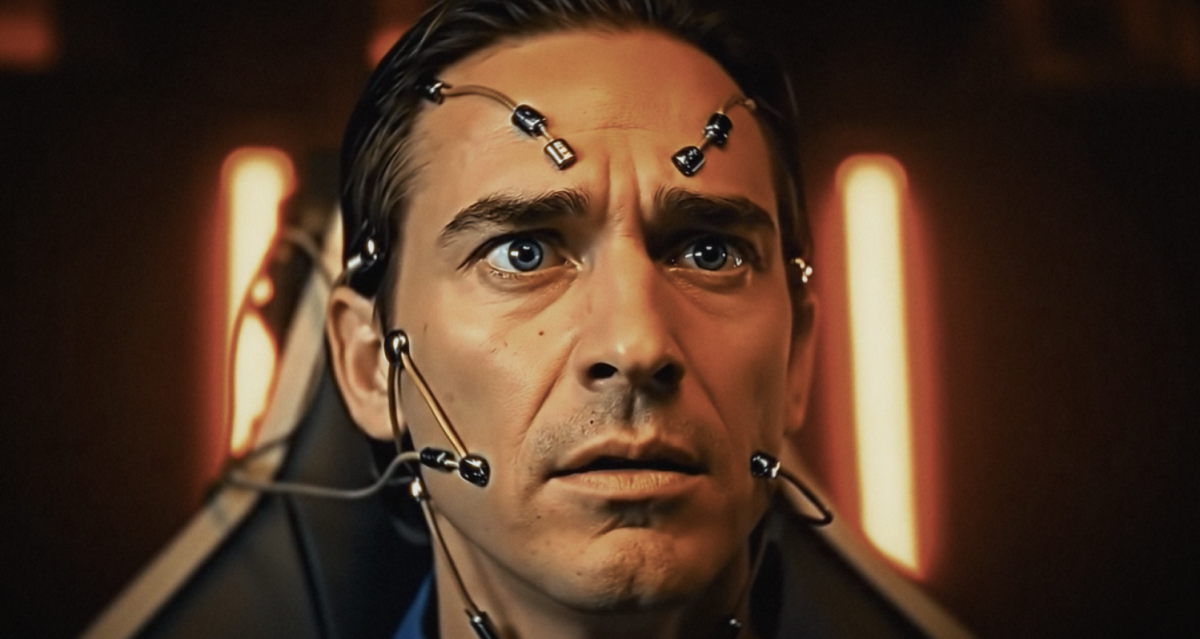
Image: filmink.com.au
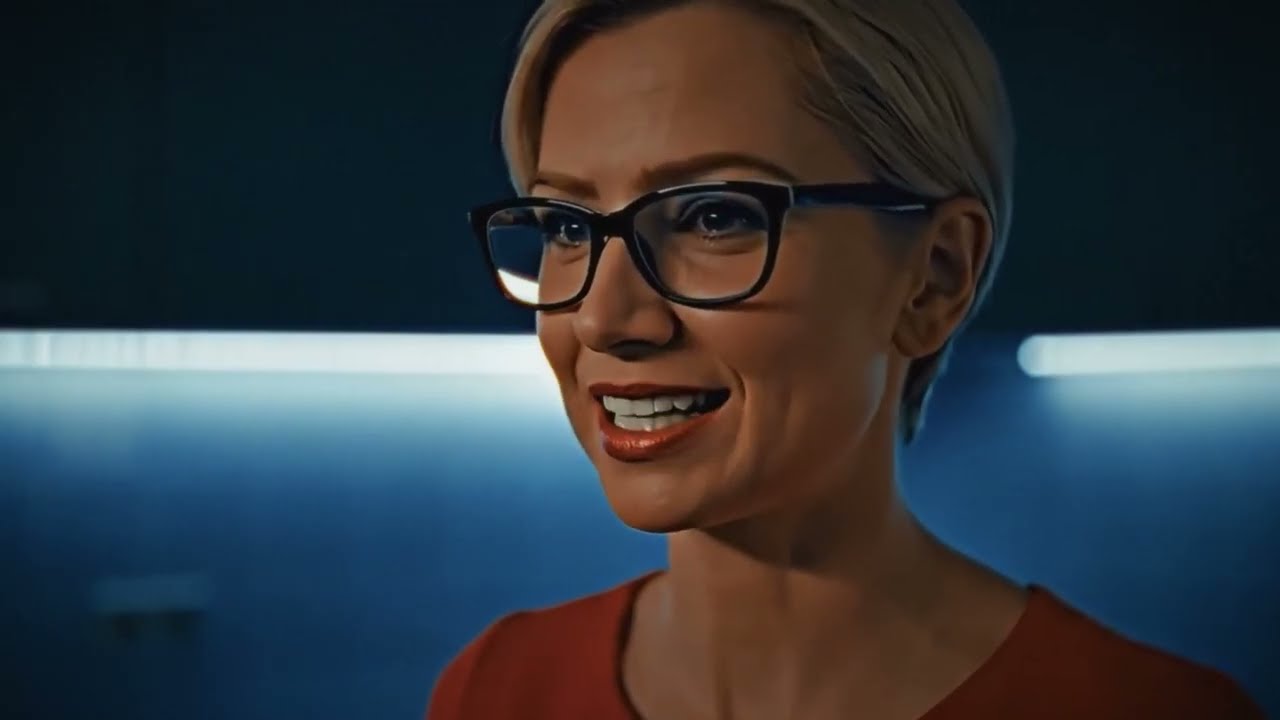
Image: ytimg.com
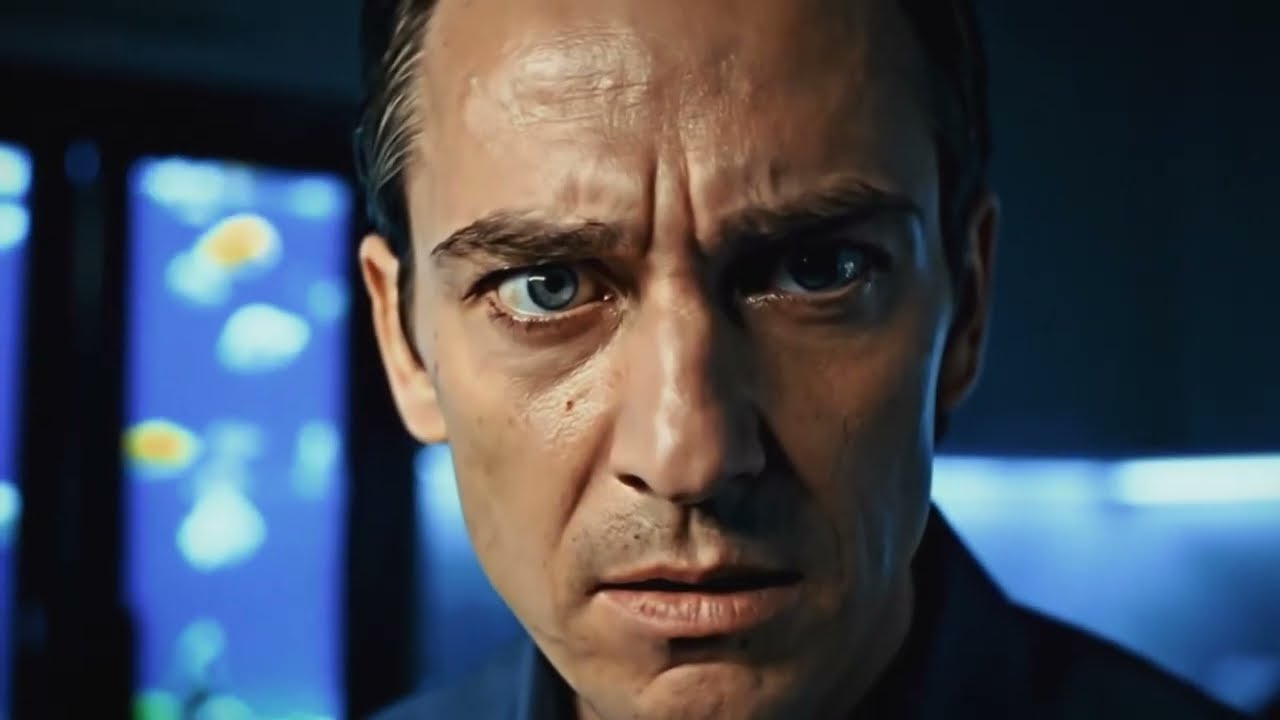
Image: ytimg.com
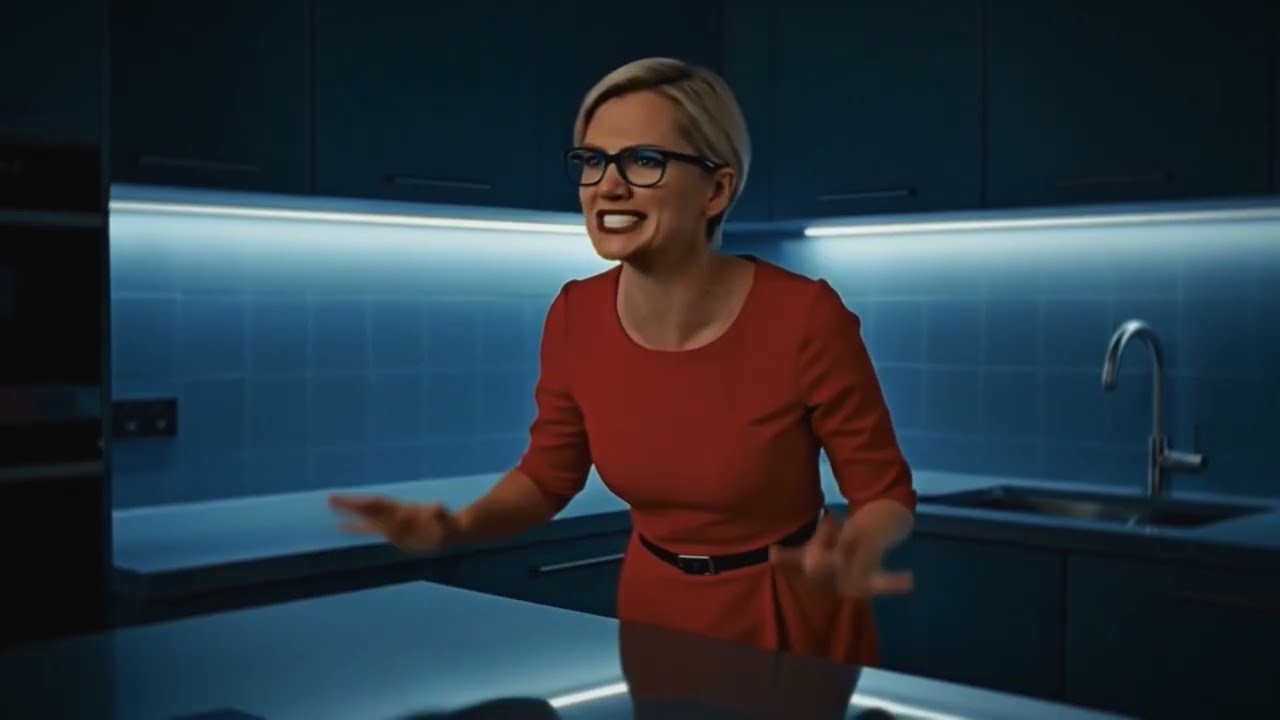
Image: ytimg.com
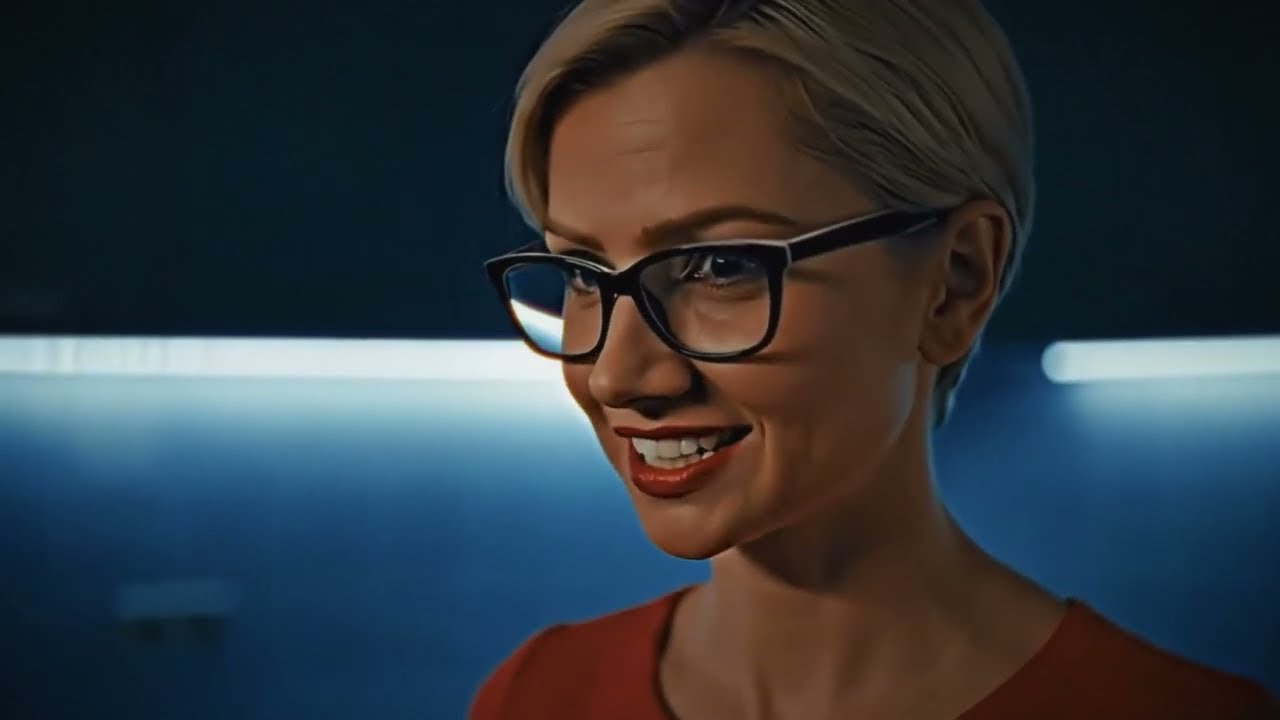
Image: ytimg.com
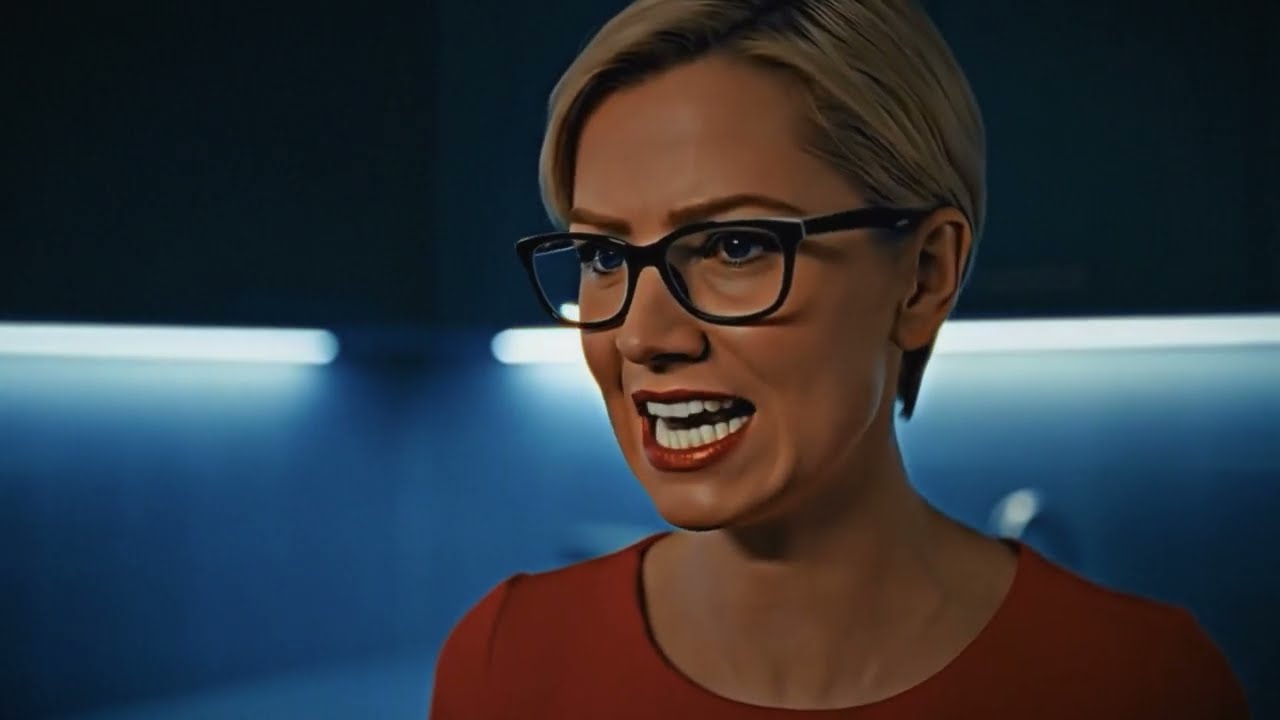
Image: ytimg.com
Related content
On Social Media
On Social Media
On YouTube