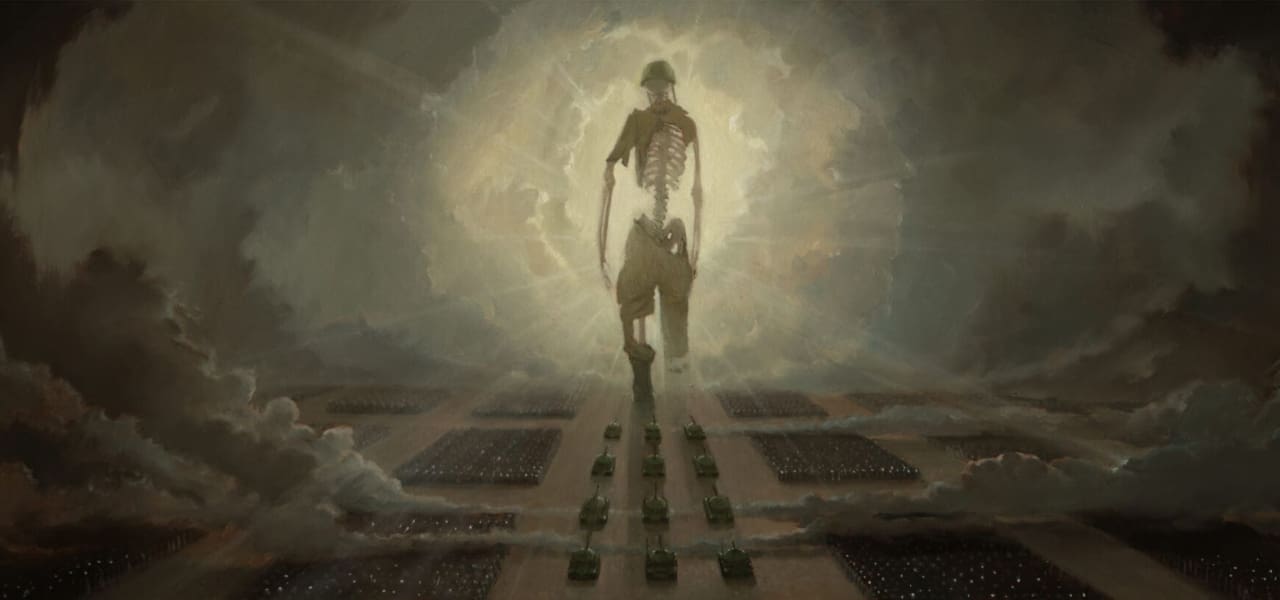
The world premiere of Danse Macabre, a short by Dutch animator Hisko Hulsing in Annecy's official competition, was disrupted by a protest against its use of AI. Hulsing says about 100 people left before it began and others booed, many wearing anti-generative-AI stickers like those a union coalition used at last year's festival. Because the film was the last in its block and the walkouts came before a frame had screened, he believes the protest was organised in advance.
Hulsing has been open about the process. His team combined hand-painted art, 3D animation and machine-learning models trained on his own oil paintings to reproduce their look, and he explained the method in interviews and a behind-the-scenes video when the trailer debuted. He regrets that the row has buried the film, an anti-war allegory about rising authoritarianism.
Artistic director Marcel Jean condemned the demonstrations. He said worries about jobs and intellectual property are understandable, but rejected what he called a witch hunt against artists who use new tools transparently, and pointed to Hulsing's record: a 2014 Ottawa Grand Prix, directing on Undone, and animation for The Last Hijack. It was one of the festival's strongest public defences of a single filmmaker. Ignoring AI, he argued, won't help; the industry has a shared duty to watch, experiment and draw proper boundaries.
Annecy has been at the centre of this argument for several years. In 2024 it drew criticism for selecting a short partly made with generative AI, and Jean then argued that programming a film does not mean endorsing every tool behind it; and in 2025 animation unions declared AI an emergency for the industry and met at the festival to call for protections for jobs, authorship and copyright. Objections to models trained on artists' work without permission, and to studios cutting creative staff, remain common.
Hulsing says he shares the fears and lost his own storyboarding side work: for years one day a week drawing boards for commercials paid for the other six spent on personal projects. He answered the booing with a raised middle finger, has no plans to apologise, though he says he has mellowed and now prefers to meet hostility with kindness. He took questions openly at a session the next day. The outlet sees the clash as a sign that part of the animation community is not ready to accept any AI use at all.
Sources · 1