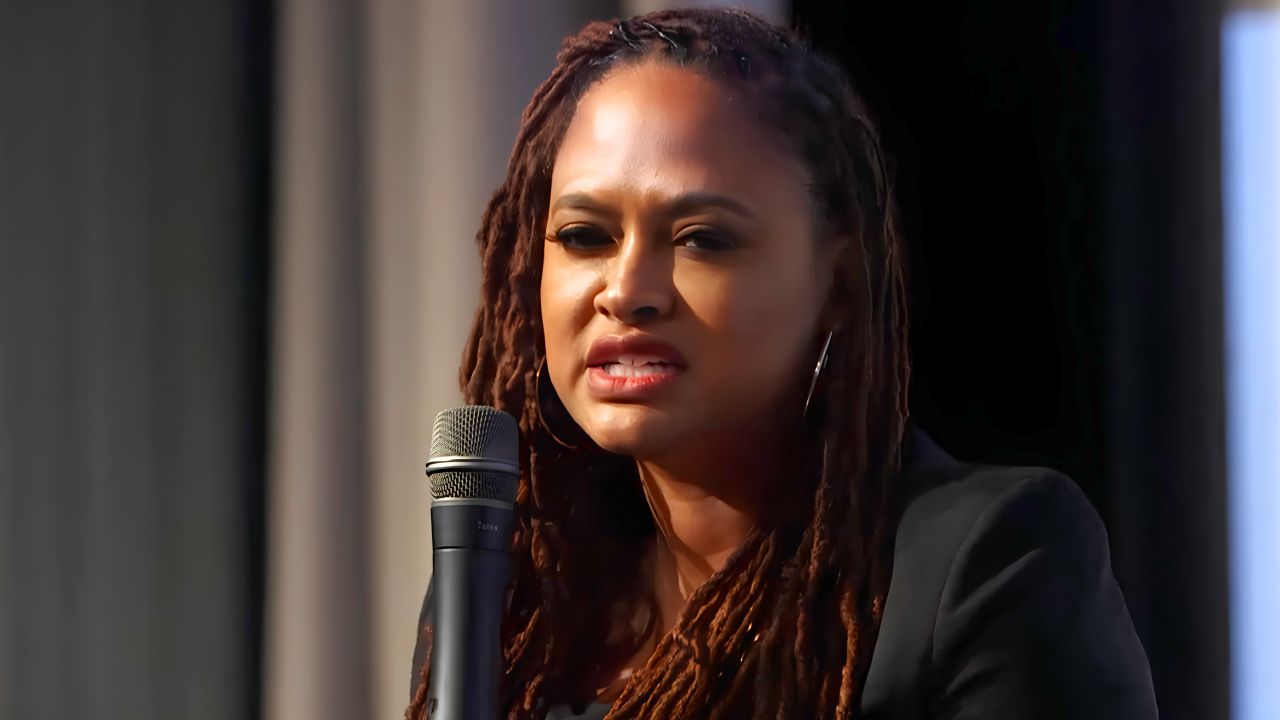
Ava DuVernay's documentary 14th closed the New York Film Festival on 9 October, and its world premiere drew complaints about how it treats old photographs. Viewers and some critics said generative AI appears to have been used to animate black-and-white archival portraits of Black Americans from the years after slavery, so the people in them blink and smile.
“That was the goal for that, and that’s why we used it.”
Ava DuVernay, director of 14th, at the post-screening press conference · comingsoon.net ↗
14th is a companion to DuVernay's Oscar-nominated 13th and looks at the Fourteenth Amendment: citizenship, voting rights and the insurrection clause, tied to current administration policy. Even reviews that were otherwise positive named the AI imagery as a flaw. Critics argue that animating real people who cannot consent sits badly with a film about who controls a person's image and rights.
Asked about it at the press conference afterwards, DuVernay said the effect was meant to echo the three-dimensional look of Civil War-era stereoscopic photography, and that the artists used similar technology to recreate it. A World of Reel columnist read the row as a generational split, with younger creators wary and older established directors more open to AI.
The film opens in a limited theatrical run on 27 November and reaches Netflix on 4 December 2026. ComingSoon also notes Nicolas Cage saying at New York Comic Con that he never signed a waiver for AI on Spider-Noir.
Sources · 2