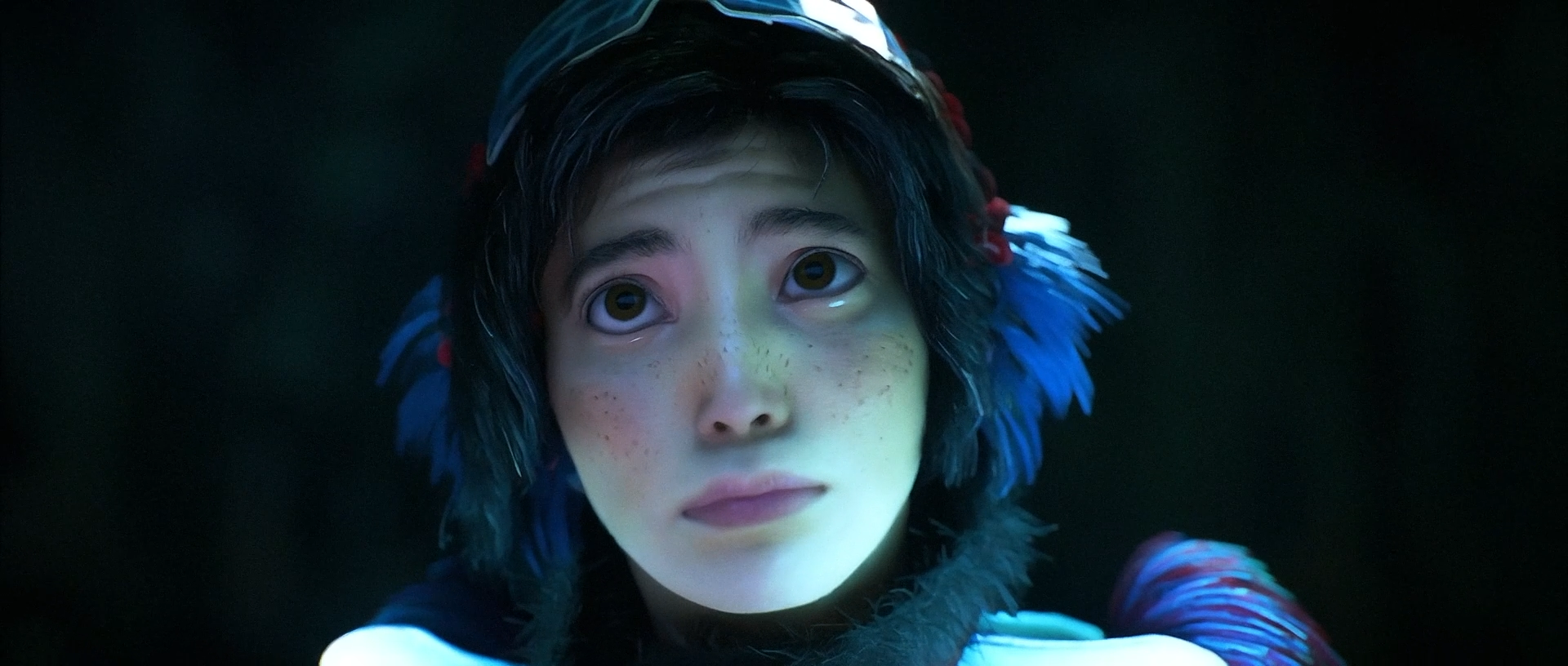
Daughter of the Inner Stars, a 50-minute film performed with a live orchestra and narrator to introduce children to symphonic music, grew from a planned slideshow of still illustrations into a fully animated film, largely thanks to Autodesk Flow Studio's AI-assisted motion capture. It premiered with the Sydney Symphony Orchestra at the Sydney Opera House in 2024 and reached North America with the Vancouver Symphony Orchestra in 2025.
The project was created by composer Nicholas Buc, writer-director James Vinson and producer Melanie Hiluta. Its story follows Fia, a girl searching for her father during a cosmic war, who meets forgotten spirits and learns about folklore, grief and kinship. The characters were designed by Ukraine's Tubik Studio and first meant to appear as static 2D images, until production designer Nathan Su of Inferstudio began translating them into 3D and character artist Ludvig Holmen sculpted full models.
About 18 months before the Sydney premiere, the team tried Flow Studio, which turns ordinary video of a performer into 3D character animation without a mocap suit. A rough 2023 test, filmed on a phone with Holmen moving through basic motions, transferred his movement onto an unfinished Fia with surprising accuracy and convinced them full animation was possible. Performers were brought in, animation technical director Nour Hassoun refined the captured data, and facial animation was developed in Unreal Engine's MetaHuman Animator.
Along the way they experimented with render styles, frame rates and textures so the animation would keep the storybook look of the original illustrations. The team estimates the tool cut animation time by about 80 percent.
They also found that planning the shoot around real performances forced them to concentrate on the details that carried the story's emotion. That grounding in live performance mattered to the creators, and Vinson, who drew roughly 200 storyboards by hand, stresses the scripts and direction he supplied across music, effects and performance. He says his experience directing actors of flesh and blood turned out to matter in the capture sessions. The report presents it as a case of AI helping a small team reach a scale it could not otherwise manage, while keeping what it calls an analogue soul through handmade assets and live performance.
Sources · 1