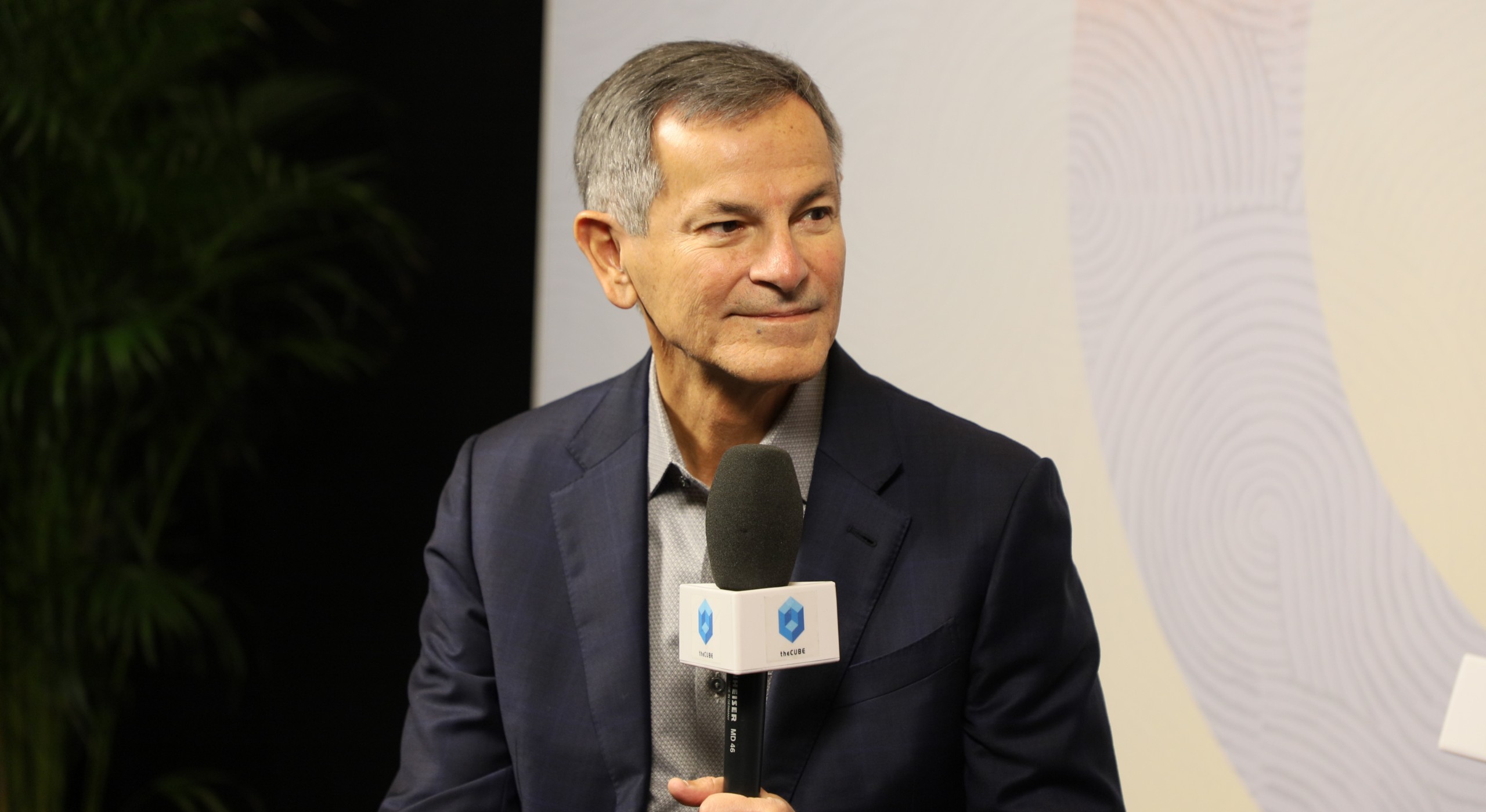
Oracle says its Real Application Testing tool is how customers can be sure that the flood of security patches now arriving in the AI era does not break the systems they run. Juan Loaiza, who leads database technologies at Oracle, made the case in an interview with theCUBE Research at Oracle AI World.
The urgency comes from what AI turned up. In March Oracle got early access to the Mythos model and pointed it at its own code, and it surfaced serious vulnerabilities. One quarterly security update earlier in 2026 fixed more than 1,400 of them across the portfolio. Loaiza called it a code red moment and told customers to automate their patching and stay current.
Applying a patch is not a simple step, he argued, because customer applications are extremely complex and some of them run whole countries and industries. Real Application Testing captures a real workload and replays it, so a customer can confirm that a patch leaves that workload unaffected.
The second front is the data layer. Rules about who may see what, and business limits, have traditionally lived in application code, but AI now writes much of that code or goes straight to the data. Oracle's Deep Data Security, shipping since April, passes the user's identity to the database as an encrypted token, so an agent acting for someone cannot leak what it cannot see.
About Oracle
Oracle Corporation, headquartered in Austin, Texas, sells database software, notably Oracle Database, along with enterprise applications and cloud infrastructure. Larry Ellison, Bob Miner and Ed Oates founded it on 16 June 1977 in Santa Clara, California, as Software Development Laboratories.
This is not the first time Oracle has told customers to patch faster because of AI. In late April 2026 it sent a security support note urging upgrades to Oracle Database 19c or AI Database 26ai and rapid quarterly Release Updates, which SiliconANGLE read as a response to Anthropic's Mythos model. The note said the April and July 2026 updates would be the first with security hardening informed by testing with advanced AI models, and advised Transparent Application Continuity for rolling updates.
Oracle has since extended those authorization controls across remote databases, lakehouse data and related tables. It also offers declarative business rules and SQL Assertions that check whether changes made through SQL are valid, so a charge above a customer's credit limit is blocked even if an agent is told to enforce the limit.
Sources · 1