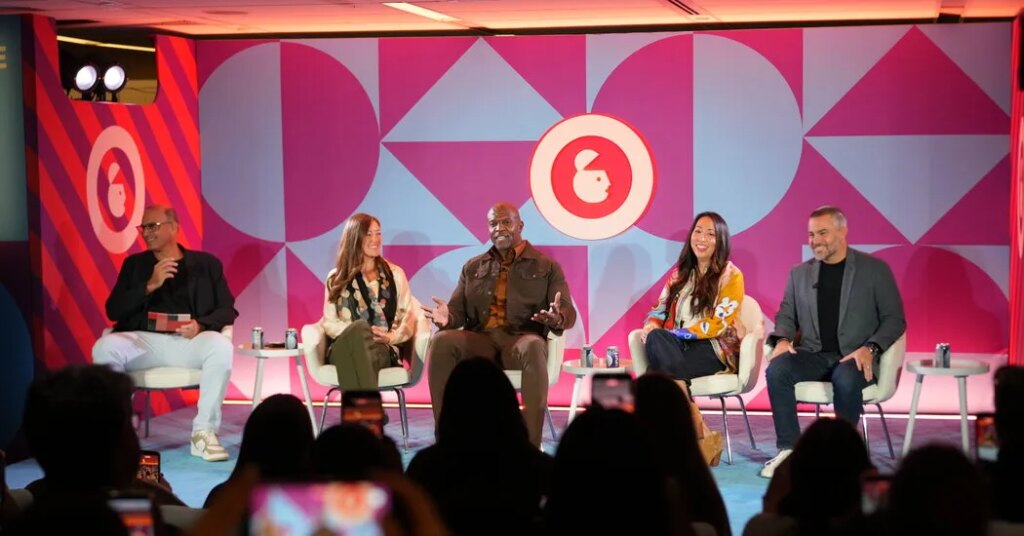
Ogilvy, the WPP advertising agency, and the talent agency CAA announced on 9 November 2026 a partnership to make brand advertising with AI-generated replicas of CAA's actors, athletes and creators, each one approved by the person it copies. The system is called Echo. Ads made with it are due to start appearing this holiday season, and Ogilvy is negotiating a handful of pilots meant to go live toward the end of the year.
Echo draws on The Vault, a scanning facility Veritone built for CAA about four years ago. It uses 204 cameras to capture a client's face, voice, body language and gait, and clients refresh the material every three to five years. The Vault is already used in films for de-aging and post-production fixes. Ogilvy staff can pull a scan into WPP Open to build storyboards, mock-ups or final assets, and the partnership took a year to put together. Ogilvy expects it to cut the cost of each asset by 65 to 75 percent.
“We are witnessing the ‘NIL moment’ between advertising and entertainment.”
Carol Reed, global chief innovation officer, Ogilvy, to Digiday · digiday.com ↗
Terry Crews, a CAA client, has opted in and says he is happy to be a "guinea pig"; Ogilvy used a replica of him this summer in a video shown privately to clients. Crews says he is tagged every day in at least ten AI versions of himself and wants to be able to show which ones he approves. Ogilvy would not name the brands taking part. CAA's roster includes Tom Cruise, Margot Robbie and Sydney Sweeney.
Controls are built in. Talent owns its likeness and chooses which brands and markets it will appear for, and Echo automatically checks each ad against those terms, so Crews, for instance, will not endorse alcohol or gambling. Ads carry a label saying the star approved them and that they were recreated by AI, and Ogilvy's own research found that a label stating explicit approval lifts an ad's appeal more than a generic note that AI was used. EU rules have required watermarks on generative AI output since August.
Digiday's illustration for the story: a collage of pixelated sky, black blocks and the word ADS on a red background
Image: Digiday
Ogilvy's Carol Reed says stars can license verified replicas safely, which gives brands agility and talent control, and that traditional shoots remain where they are needed. He adds that the talent sees everything and signs off on it at the end. CAA's Alex Shannon says most artists object to unauthorised use rather than to the technology, calling it a myth that artists are all against AI, and that stars could work outside their season or shoot schedule. Analyst Nicole Greene of Gartner says it could change the economics of celebrity endorsement, though authenticity is the point of talent, and former CMO Kristin Patrick expects stars to be selective about how much control they give up.
About Ogilvy
Ogilvy is an American advertising, marketing and public-relations agency headquartered in New York and part of the WPP group.
It traces back to an 1850 London agency founded by Edmund Mather, and became Ogilvy & Mather in 1964 after merging with David Ogilvy's New York agency, itself founded in 1948. WPP bought the Ogilvy Group in 1989 for $864 million, then the most ever paid for an advertising agency. In 2004 it launched Dove's Campaign for Real Beauty, whose "Sketches" film became a viral ad hit.
There is precedent. Coca-Cola and Snickers ran ads this year with a digital clone of CAA client José Mourinho, and about five years ago Ogilvy used scans of Shah Rukh Khan to advertise small Indian businesses at Diwali, a prototype for Echo. Likeness without consent was a central issue in the actors' strike three years ago, and CAA signed a deal with YouTube in 2024 to remove celebrity deepfakes. Audiences remain wary: YouGov found 49 percent of Britons view AI-generated actors in ads negatively. Not everyone is going that way: an Aerie campaign with Pamela Anderson pledged never to use AI-generated people, while Guess ran a fully AI model in Vogue last year. Ogilvy says the deal could extend to other talent companies.
Comments