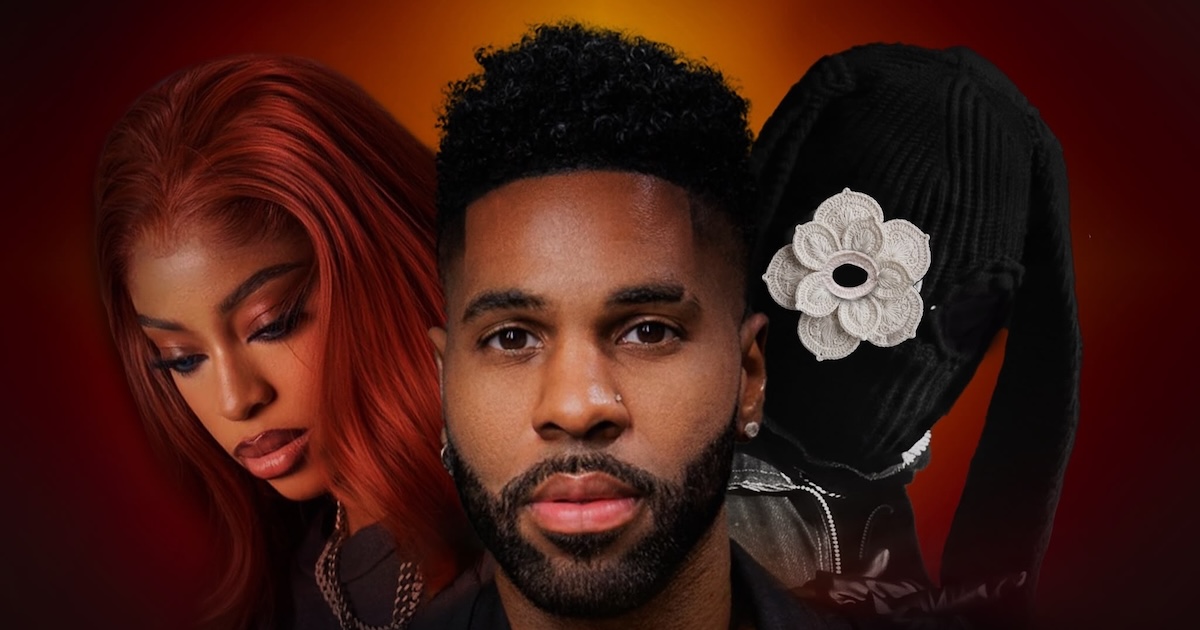
Jason Derulo has released "LET ME BE", a dance track with an unusual history. It started as a song by the Zambian producer The Second Voice, whose AI-sung version spread on TikTok, and Derulo has now remade it with real singers. Bong Mines Entertainment, writing up the release, says the finished collaboration also features the Nigerian vocalist Qing Madi and came out on Spinnin' Records on 4 September 2026.
According to the outlet, Derulo found the AI-vocal version on TikTok after it had already built a large following. He did not simply add a verse to that recording. The vocals were sung again by people, Derulo contributed new verses and writing, and the production was reworked. The AI rendition was simply how the song got found, not the version that was released, and the outlet says the human recording gives the track a separate identity from the clip that first circulated.
The Second Voice is the project of Mwape Chishinka, who began as a rapper before turning to production, and the song has become a large part of his career this year. Streaming platforms list him as a writer and producer on the new version, and Beatport describes the act as Zambian. The outlet credits him with taking an unconventional digital starting point and making music that travels across borders while keeping its personality. Bong Mines stresses that the original creator stayed in the credits instead of being pushed aside by the bigger name, and sees that as what keeps the record tied to where it started. In its view this is not a case of a major star taking an internet find and making it his own, but of a local creation being carried into an international pop and dance setting with its maker still on board.
Qing Madi's part adds a female counterpart to Derulo in a song about attraction, and the outlet says it is integral to the track rather than decoration. It frames the line-up as a meeting of Zambian production, Nigerian vocals and Derulo's global pop reach, and notes the release is filed under dance and Afrobeats. The artists do not have to sound alike, it argues; their different backgrounds are part of the appeal.
The write-up also sketches the three acts. Derulo is presented as a pop performer who moves easily between mainstream pop, dance and internationally flavoured sounds, here acting as both singer and reinterpreter of a track he found online. Qing Madi is described as part of a generation of African artists who work across borders and styles, with a growing list of collaborations behind her.
The song itself is simple on purpose. Its refrain asks permission to give in to a relationship without overthinking it, the lyrics swing between a nod to consequences and the pull of desire, and later the singer offers himself as an escape for the other person. The official release is a lyric video rather than a story-driven clip, which the outlet reads as a way to keep attention on the words and the newly recorded voices.
Bong Mines treats the record as a practical case in the argument over AI in music. The release does not hide where it came from: the AI-era version becomes part of the song's backstory, while the recording that carries Derulo's name is performed by people. The outlet argues this shows one route open to artists, who can take material that first drew attention through AI and rebuild it through their own performances and choices.
The piece is careful not to overclaim. It says the release does not settle the wider debate about AI-generated music, and presents it instead as a concrete example of a track discovered through algorithms and AI-made material that ended up as a conventional collaboration between artists from three countries. It places the record in a period when AI is becoming part of how music is discovered, produced, promoted and argued about. Instead of testing whether a machine can pass for a person singing, the outlet says, this release looks at what follows when musicians pick up something born of an automated process and choose to remake it by hand. In its reading, the song is a snapshot of how music gets found and remade in 2026.
Sources · 1