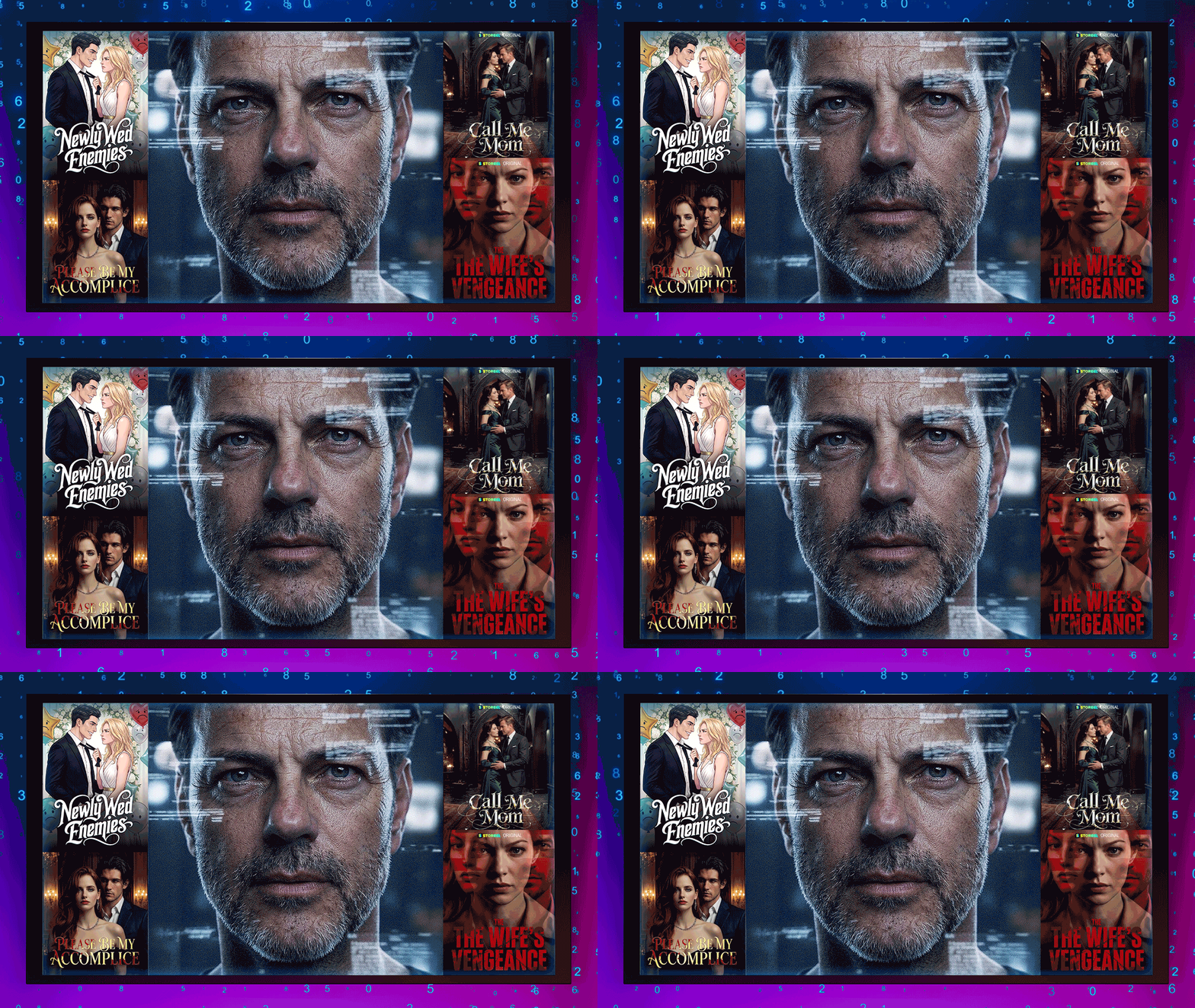
International vertical-video companies are now producing fully AI-generated microdramas in bulk, and TheWrap reports the shows hold viewers about as well as live-action ones. That sets them apart from Hollywood studios, which still promise humans will stay at the centre of their productions. Some of these series can already be watched in the US.
The scale is striking. India's Dashverse, which licenses to TikTok and ReelShort, made about 100 AI series in June and plans 1,000 a month by year end, putting an hour at $20,000 to $30,000 against roughly $150,000 for live-action vertical work; it wants some shows down to $10,000. Its DashReels app reports 10 million monthly users and 68% retention on AI titles, and the company counts more than 50 million downloads and over 4 billion episodes watched across its apps. In China, around 50,000 AI-native titles went up on Douyin in March alone, and Holywater says an AI Formula One series cost a fraction of the $500,000 a shoot would have needed.
The companies insist this is not push-button work. Dashverse employs about 700 people and StoReel about 60, with writers scripting every episode and artists steering tools built on models such as ByteDance's Seedance 2.0, turning roughly a page of dialogue into a minute of footage. Scripting and production each take weeks. Shortical's head of content, former Netflix director Ofir Lobel, boasted that anyone's lookalike could be cast, though the company later said it will not use a likeness without the performer's permission and involvement. Lobel, who directed Netflix series before this, made his first fully animated show there.
Executives tie the shift to jumps in video-model quality; StoReel's co-founder named Google's Veo 3 as the point AI dramas became commercially viable, opening up sci-fi, fantasy and period stories too costly to shoot. Luma AI's Amit Jain argued that minute-long phone episodes suit the technology's current limits better than feature films do. StoReel says it pivoted to AI because acquiring users for a conventional microdrama app cost too much for a startup, and its co-founder expects taste, not tooling, to decide who wins. Most of these apps earn from subscriptions rather than ads.
American audiences are warier, but vertical-first players are moving. Harlequin has a multi-year deal with Dashverse for 40 animated AI adaptations of its romances, Inkitt's CandyJar planned a July launch for an AI-only label, Ironblood, claiming 99% lower costs, and aTwist says it uses AI in its pipeline but not to generate whole series. Whether Western viewers take to these shows as readily as audiences in Asia remains the open question.
Sources · 1