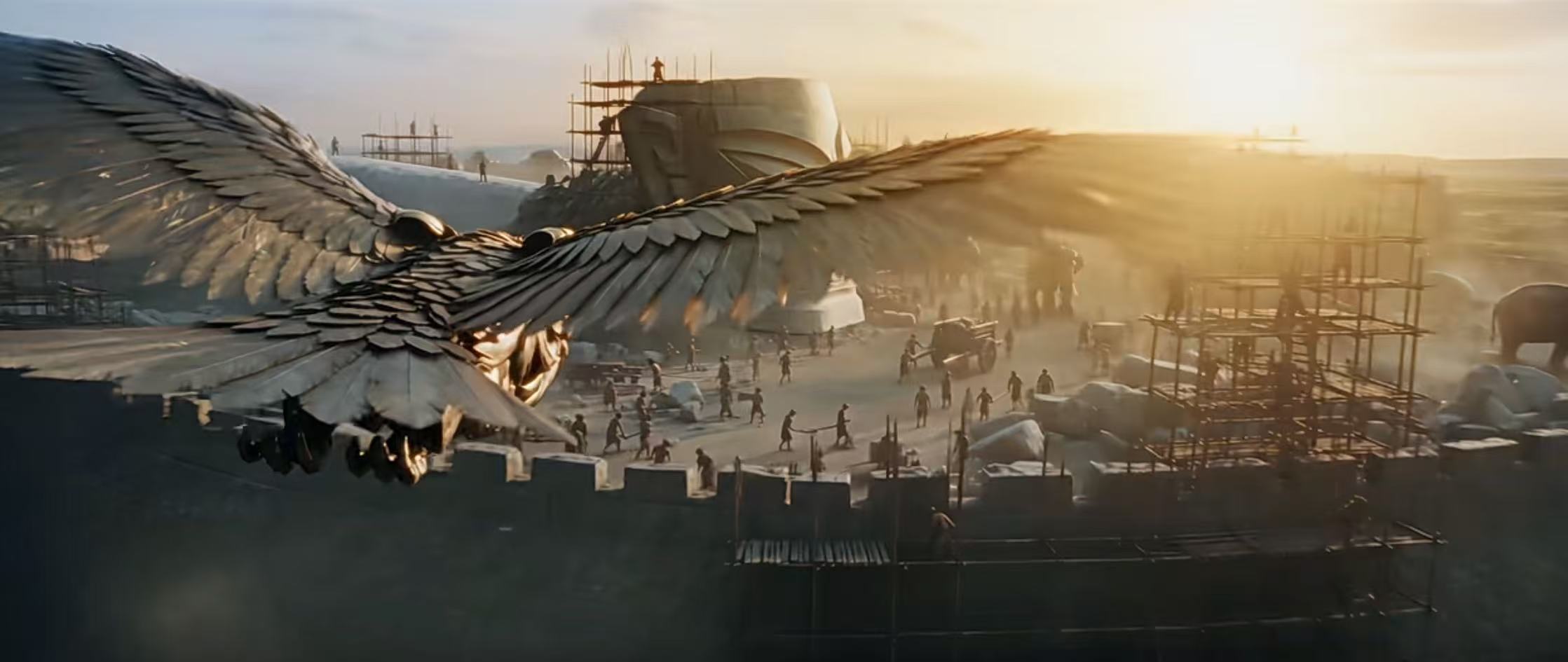
Bona Film Group said on Sunday that Sanxingdui: Future Past, which it bills as China's first hyper-realistic theatrical feature to use AI across the whole production, will open in cinemas nationwide on October 23. The film runs 100 minutes and has an official screening licence, which TechNode reads as a sign that AI filmmaking in China is moving past short clips and online micro-series into full-length cinema releases.
Every character in the film is an original digital creation, with no replicas of real actors, which sidesteps the image-rights questions that come with digital likenesses. Bona's production team says AI mainly generated images and content, while a group of more than 100 people in the company's AIGMS unit set the concept, story direction and final artistic calls, working to a conventional film pipeline.
The hard part, according to the report, was keeping characters, faces, costumes and backgrounds consistent over feature length, something that is easy to forgive in a few seconds of footage but not across 100 minutes. The team adjusted details such as micro-expressions frame by frame rather than leaning on prompts alone, and targeted 4K, HDR colour and multi-channel surround sound. The production took two years, drew on more than 1.2 million source images and went through over 100 complete versions of the film, managed in an Infinite Canvas system from Boka Film Cloud that holds scripts, storyboards, characters, sets and lighting in one workspace.
The story mixes the ancient Shu civilisation with science fiction: symbols on Sanxingdui bronzes turn out to hide binary code, and a future in which people have handed their judgement to a super AI slides into crisis. Well-known artefacts such as the Bronze Sacred Tree, the Bronze Standing Figure and the bronze masks with protruding eyes appear in a futuristic setting, so AI is the film's subject as well as its tool.
The film has already been shown at Cannes and at the Hong Kong International Film & TV Market, where an international concept trailer came out. TechNode says the release will test whether AI can become part of an industrial production workflow rather than just a way to make shots. In its reading, producing one striking image is getting easier all the time; what decides whether AI works for cinema is the surrounding system of asset management, collaboration, version control and human oversight that keeps a whole feature coherent. Whether Bona has cracked that will only be clear once audiences see the film.
Sources · 1