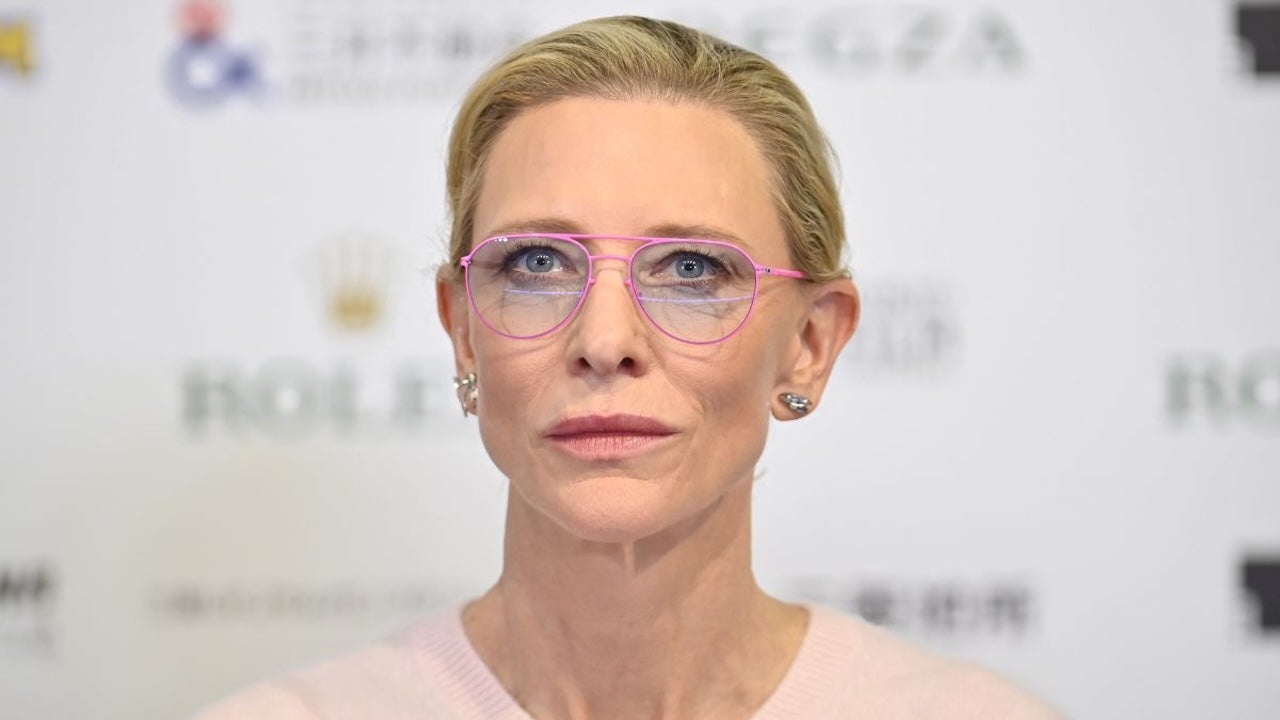
The Human Consent Foundation, a nonprofit co-founded by the actor Cate Blanchett to defend people's say over AI use of their work and likenesses, joined a coalition of Hollywood groups in filing an amicus brief on Friday 30 October 2026. It was filed in the Southern District of New York in the lawsuit The New York Times brought against OpenAI and Microsoft, and it supports the Times. It came a day after SAG-AFTRA, the Writers Guild of America and the American Federation of Musicians filed a brief of their own urging the court to reject a categorical fair use exemption for AI training.
“If someone wants to use my face, my voice or my image, they ask me first. There is a contract. There is a conversation.”
Cate Blanchett, actor and Human Consent Foundation co-founder, in the brief · thewrap.com ↗
The 31-page filing is co-signed by CAA, the Music Artists Coalition, the National Association of Voice Actors and a coalition on AI that the two outlets name differently. An appendix carries supporting statements from stars including Anne Hathaway, Bette Midler, Emma Thompson, Helen Mirren and Madonna, and Variety lists further signatories such as Robert De Niro, Julia Roberts and Scarlett Johansson. Blanchett and Steven Soderbergh, who backs the foundation, gave statements arguing that permission should not lapse in the AI era.
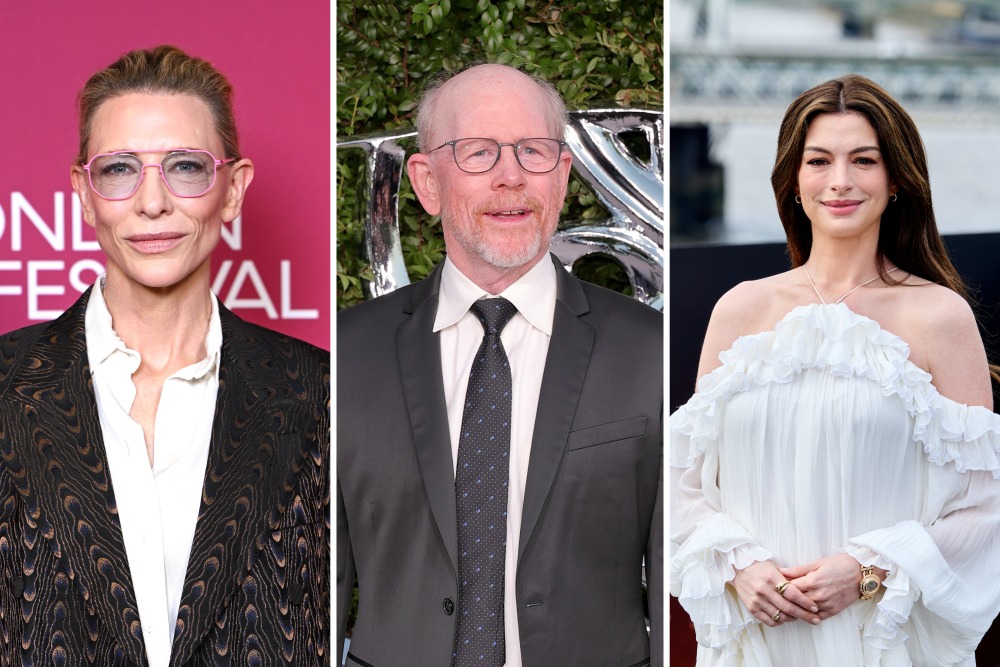
Graphic of Human Consent Foundation signatories to the brief, including the Hollywood names listed in its appendix
Image: Variety
The brief's main argument is practical. It says OpenAI and Microsoft are wrong to call licensing for AI training cost-prohibitive or to claim that training data cannot be valued, because creative industries already clear rights at scale. It points to collective licensing bodies such as CISAC and BMI, and to a century of blanket licences and automated, metadata-driven systems that answer the worry about dispersed rights holders. Blanchett frames consent as the basis of creative work rather than an obstacle to it.
About the Human Consent Foundation
The Human Consent Foundation is a nonprofit co-founded by the actor Cate Blanchett with Nikki Hexum, Doug Leeds and Eckart Walther. It was first named RSL Media and runs the Human Consent Registry, a free tool in which people state how AI may use their name, image, voice and movement. The registry builds on the Really Simple Licensing open standard for machine-readable AI usage rights, and Steven Soderbergh and CAA support it.
In late June 2026 Blanchett presented the registry at the European Parliament in Brussels, hosted by the MEP Eva Maydell. Users choose between prohibited, permitted with terms, or permitted. The registry has no enforcement: AI companies are not required to check a Human Consent ID before scraping or training, and none was named as committed.
The Times sued in December 2023 and filed for summary judgment in September 2026; that motion is pending. OpenAI did not comment directly, but a spokesperson pointed to a Friday blog post collecting briefs, including the US government's, that back its fair use position. Microsoft did not respond. Variety adds that the foundation began as RSL Media in May 2026 and opened a registry for stating permissions in June.