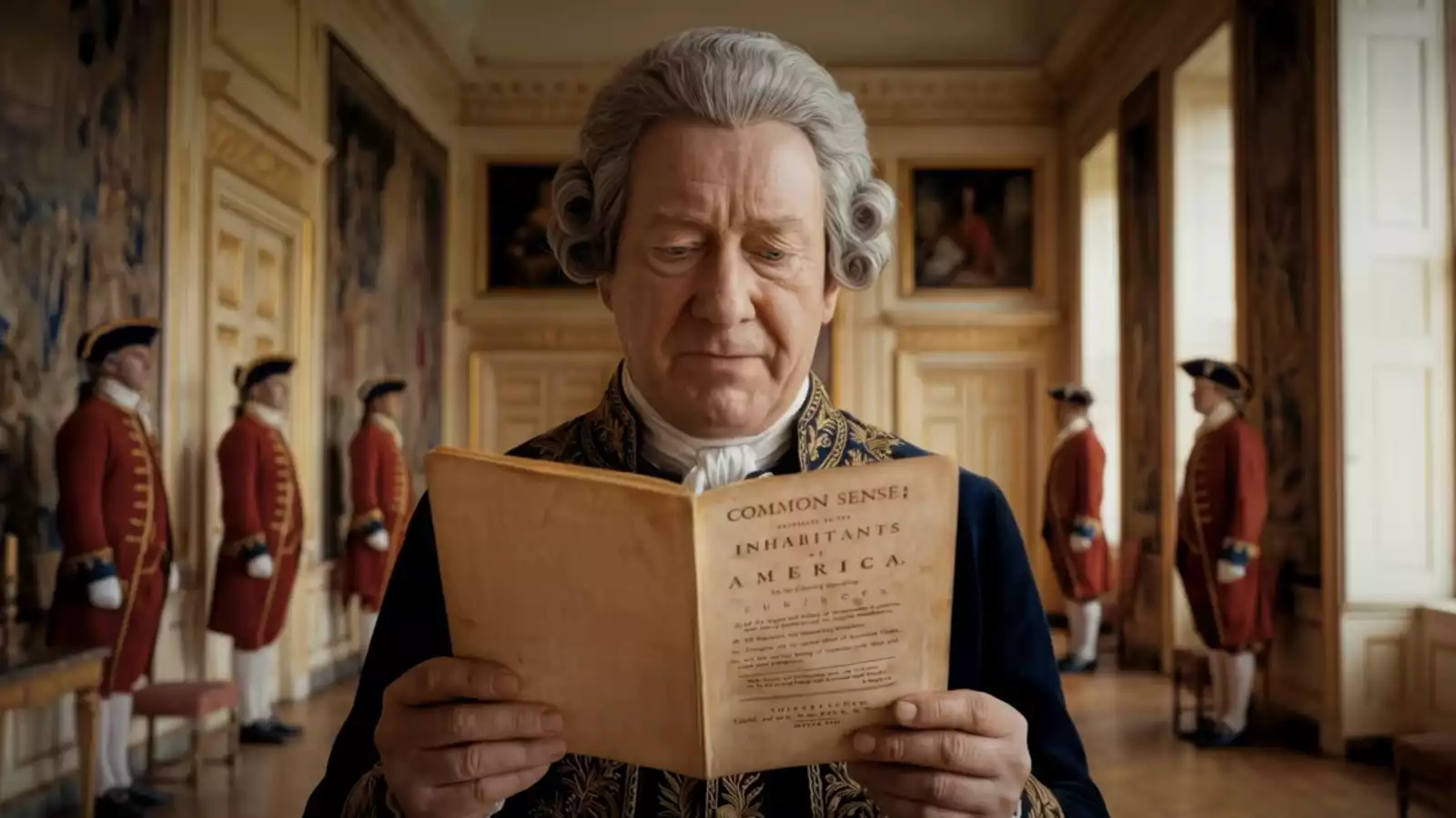
Primordial Soup, Darren Aronofsky's AI studio, has launched On This Day… 1776, an animated series about the American Revolution made mostly with generative AI. The first two episodes went up on TIME's YouTube channel on January 29, and the reaction from viewers and working filmmakers was overwhelmingly hostile.
The plan is a weekly episode through the end of 2026, each tied to the 250th anniversary of the event it shows. The opening pair cover George Washington raising the Grand Union Flag and Thomas Paine arriving in the colonies before writing Common Sense. Lucas Sussman leads the writers' room, and Aronofsky is executive producer. Deadline reported that the writers, designers and AI specialists, spread around the world, worked together over Slack.
The production mixes Google DeepMind's AI tools with conventional craft. Artists generate the images, SAG-AFTRA members voice the characters, Jordan Dykstra wrote the score, and the studio's own team did the edit, grade and mix. Salesforce sponsors the series, and its co-founder Marc Benioff and his wife Lynne own TIME. TIME Studios' president Ben Bitonti presented it as artist-led AI that extends craft rather than replacing it.
Critics weren't persuaded. The Guardian mocked the generated faces and noted how often characters are shown from behind. Daredevil: Born Again showrunner Steven S. DeKnight called the series "a complete betrayal of cinema." CineD pointed to warped lettering on Paine's pamphlet, an over-processed look and very short cuts, and said the one part that works is the human voice acting.
The launch came as SAG-AFTRA prepared for contract talks with the studios, where AI protections were a central issue. Relying on union voices while generating almost everything else drew comment on that front too. The Guardian also noted that Paine's face seems to shift between several recognisable actors, which raises the question of where AI-generated historical likenesses come from.
CineD's own conclusion is that the series shows the gap between what AI video can produce and what audiences will accept as storytelling, and that a big-name release has deepened scepticism rather than eased it. It acknowledges that the tools will improve over a year of weekly episodes, but argues that first impressions tend to stick.
Sources · 1