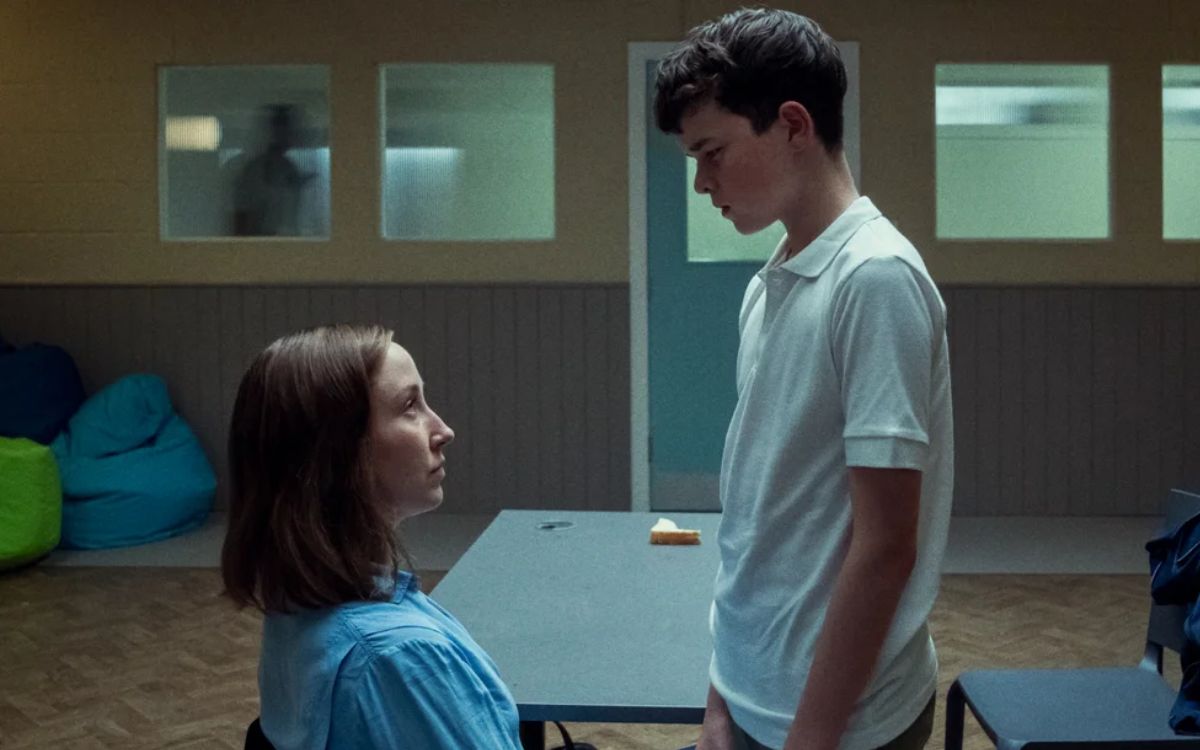
Jack Thorne, co-creator of Adolescence and president of the Writers' Guild of Great Britain since September 2025, told an audience in London on 13 September that some screenwriters are using AI to cheat. He was closing the Southbank Centre's Creative Intelligence weekend with a lecture on authorship in the age of AI at Queen Elizabeth Hall, in conversation with Baroness Beeban Kidron. His profile gave the remarks reach: Adolescence, made with Stephen Graham, won eight Emmys in 2025, including the writing award the two shared, and led the 2026 BAFTA TV Awards. He named no one, and FanBolt notes that his evidence came from conversations with studio heads and writers he knows rather than from documents.
Thorne drew the line narrowly. Spellcheck, formatting help and using a chatbot as a sounding board are fine, he said; what should be punished is letting a model stand in for the writing itself and putting your own name on the result. He wants passing off AI work as your own to be made unlawful, offered himself as the hypothetical defendant, a writer on a Netflix commission caught secretly prompting, and wants Channel 4 and the BBC to penalise writers who conceal AI use.
That was one of five proposals. The others were a Copyright Institute sitting beside the government's AI Security Institute to track AI's spread and recommend action; a legal duty on tech companies to declare what they train on; licensing priced high enough that machine-generated ideas stop being the cheap option; and a right to stop work being produced in a named writer's style without consent. A government spokesperson replied that copyright must protect the UK as a creative powerhouse while unlocking AI innovation.
FanBolt compares this with the contracts in force. In the US, the Writers Guild's 2023 deal already lets writers use generative tools if the employer agrees, while treating machine output as not literary material, barring studios from requiring AI and obliging them to disclose AI-generated pages. The 2026 agreement, ratified in April and running to 1 May 2030, keeps those terms and adds a duty to tell the Guild in writing when a studio licenses scripts or shows to train commercial AI. None of it covers what a writer does alone.
British writers have no equivalent terms. The Guild's 2024 BBC deal raised minimum fees by around 10 per cent but left AI out, and Equity also saw the BBC and ITV keep AI out of their framework agreements pending wider talks with producers' body Pact. In effect, Thorne wants broadcasters to police a rule that none of their signed agreements contains.
The piece also doubts that a fraud rule could be enforced, since once a script editor has worked on a draft there is no dependable way to tell machine-prompted scenes from written ones, and argues that the pressure to cut corners is set by commissioning terms rather than individual writers. Thorne's ideas now land with ministers who have already shelved one AI copyright plan and replaced it with a consultation.
Sources · 1