 Tang Jili



Hell Grind
film
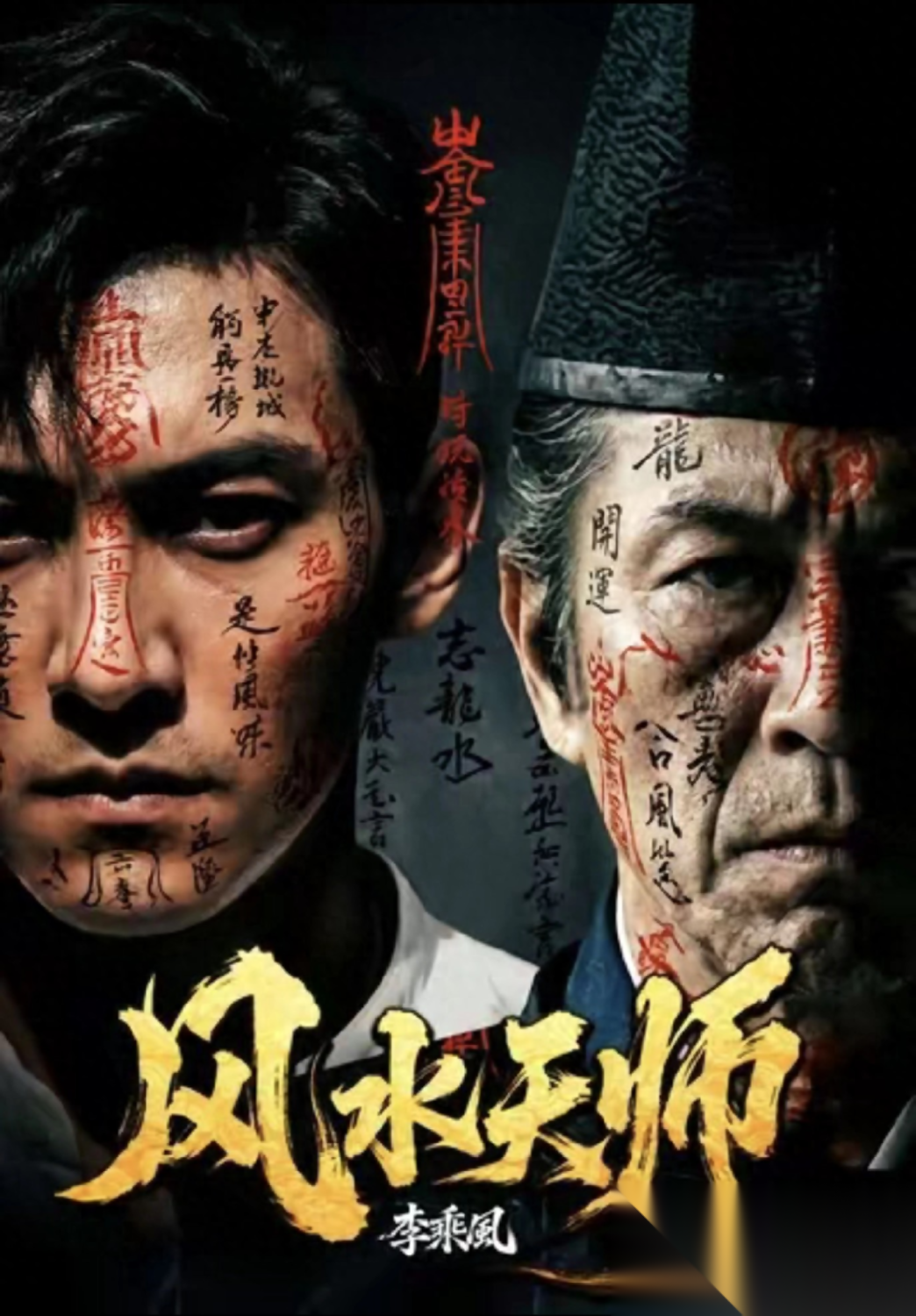
Synopsis
Set in Republican-era China, Feng Shui Master (风水天师) follows Li Chengfeng (李乘风), the heir of a Qimen (奇门) tradition of divination and geomancy. Against everyone's advice he reopens the Suiyuan Hall (随缘堂) in the town of Qingzhou, where he practises medicine and uses feng shui to help ordinary people and punish wrongdoers.
His first cases escalate quickly. He breaks the ill-omened burial layout on the Ye family's ancestral grave, then counters a curse set by a Japanese onmyoji (the "Earth Sha Ox-Slaying" technique), saving the whole of Shiniu Village. In doing so he makes a lasting enemy of the Japanese sect Jiuju Yiliu (九菊一流).
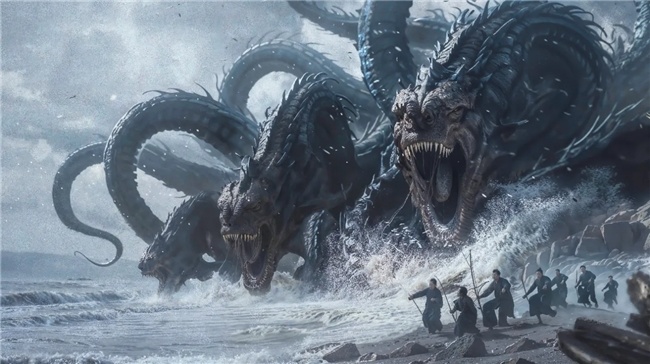
The story widens into a contest to protect China's dragon veins. In the city of Haicheng he faces the sect master Sato Masao's "Heaven-Slashing Sha" formation and a collaborator, ending with both men destroyed. Because he has used forbidden arts too often, Li Chengfeng then travels with Ye Mengyao (叶梦瑶) to western Hunan and Mount Longhu to gather three treasures that will protect the soul of his founding master Guo Pu, before a final showdown with a nine-headed serpent spirit on Mount Kunlun. Later seasons carry the same hero to the Changbai Mountains dragon vein, with Northeast China's "five immortals" folklore woven in.
Reviewers describe feng shui duels, anti-Japanese espionage and national-fortune themes in a male-oriented power-fantasy mould, with a repeated cycle of trouble, breakthrough and comeback in nearly every episode.
Last Updated 20 October 2026
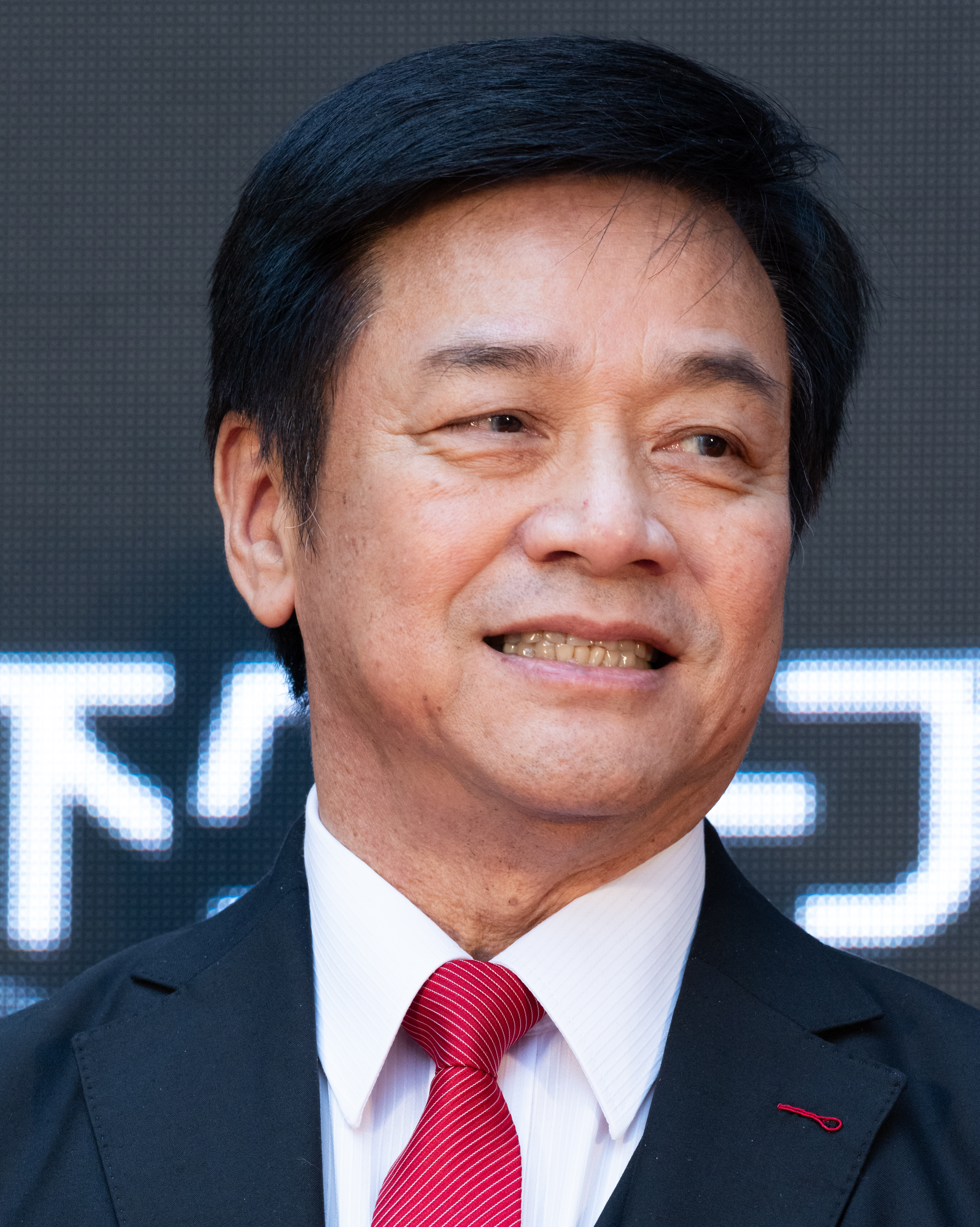
Feng Shui Master is a Mandarin-language AI "simulated human" (AI仿真人) short drama, a vertical microdrama of 61 episodes in its first season. It was produced by Shike Interactive (时刻互动, Jiangxi Shike Interactive Technology), with director Tang Jili (唐季礼, known for The Myth and Kung Fu Yoga) as chief producer (总监制). One source names screenwriter Xiao Kun (肖堃, pen name 五志) as the writer. The second season is adapted from the web novel Notes of a Folk Feng Shui Master (《民间风水师笔记》), covering chapters 158 to 221.
The first season went online quietly on Douyin and Hongguo (红果) on 18 March 2026. Press reports say it passed 20 million plays in two hours and 100 million on Douyin within twelve hours, and reached 64 million heat on Hongguo. Later reports put the first season's cumulative plays at nearly 370 million and then nearly 600 million, so the figures are not consistent. A second season followed in April 2026, and further seasons are circulating on YouTube as re-uploads by third-party channels.
On how it was made, the sources are thin. Articles describe it as an AI-generated series produced through an AI tool chain operated by a young team handling visualisation and platform adaptation, and one trade outlet reports it was made with no live-action filming, though that claim comes from industry commentary and is unverified. No source names the AI models used. Tang Jili is reported to have been closely involved in story pacing, emotional design and character development, and in season two in designing the core plot with the writing team. He has said AI lets a good story be presented at lower cost.
Shike Interactive is a company that began in digital marketing, was founded in Nanchang and has offices in Guangzhou, Hangzhou and Beijing, with a micro-drama production base in Ganjiang New Area and an overseas platform called FreeShort.
The series topped Douyin's AI live-action chart on launch day and, in the July 2026 DataEye half-year ranking of AI series and animated dramas cited by The Paper, was named champion of the AI simulated-human category with a peak heat of 71.26 million. A review by a Shanghai Theatre Academy student on The Paper praised its composition, lighting and period street atmosphere, but criticised stiff facial performance, a thin protagonist back story and a formulaic episode structure.
No votes yet
Audience sentiment
10 comments about the show on YouTube · updated 20 Oct 2026
50%
positive
Score = positive ÷ all scored comments
Sentiment split
Mixed: viewers like the script and plot, but others drop it when the story turns to gods fighting, feel it leans on a Japan storyline or find the rites unrealistic
Top themes
“Good plot, really good to watch”
“Great screenwriter, bravo”
“Really good, but the Cantonese is not OK”
“It was fine at first, then halfway it turned into gods fighting. I immediately lost the will to keep watching. Giving you a thumbs-down”
“Every feng shui drama drags in Japan to have a later plot, it feels like running out of ideas”
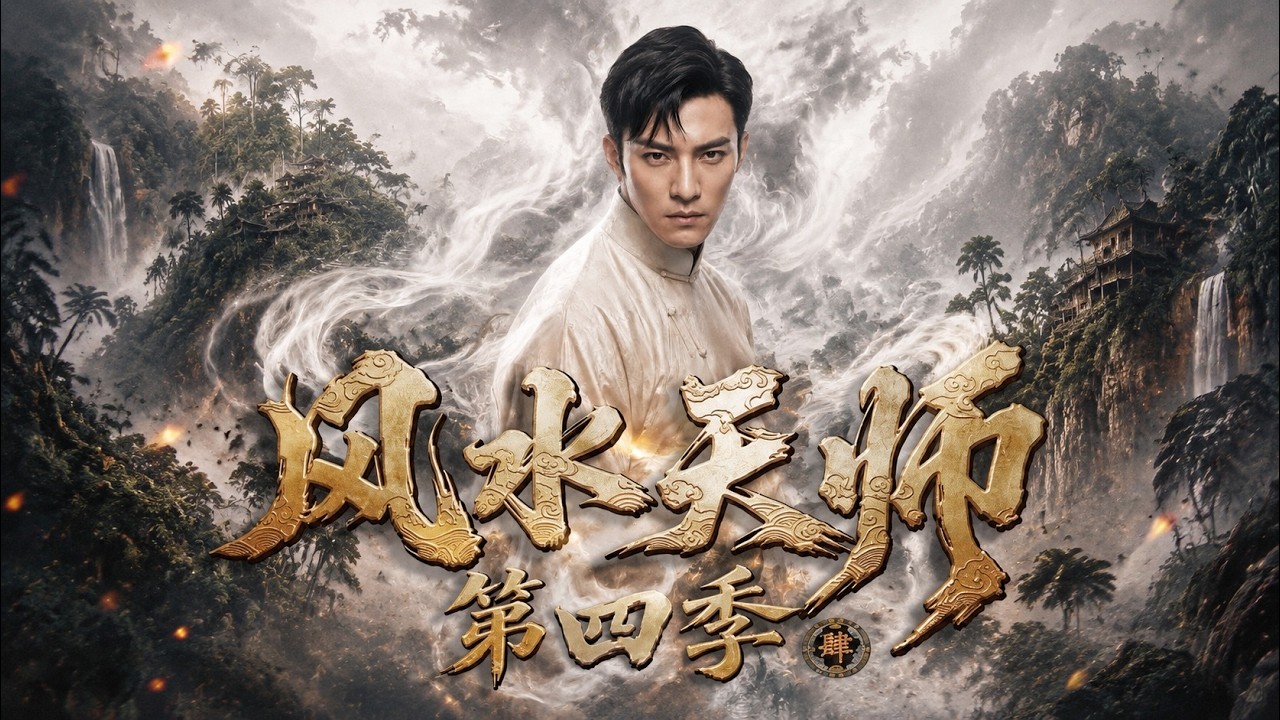
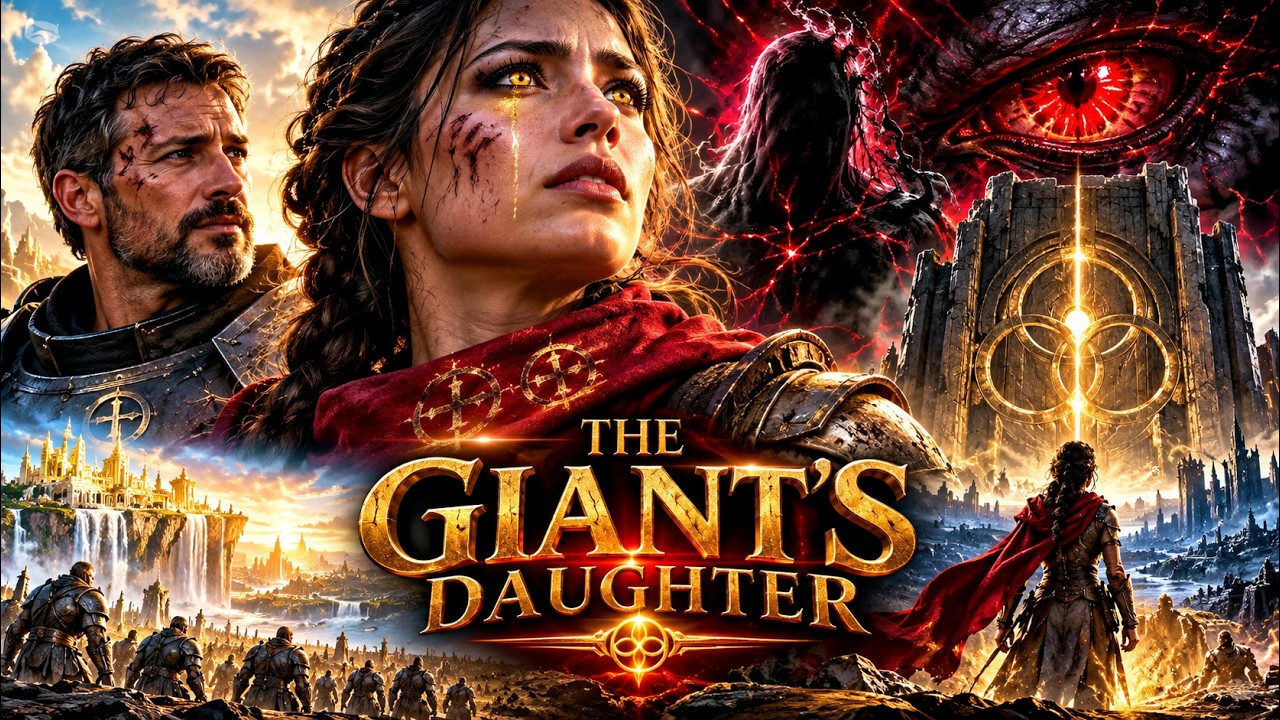
Image: ytimg.com
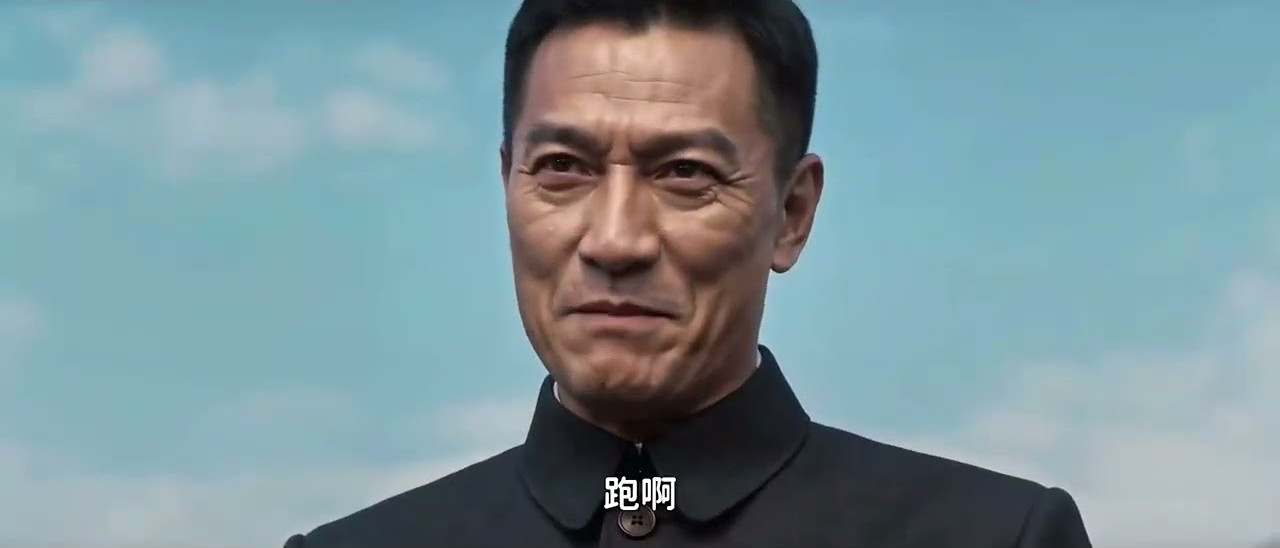
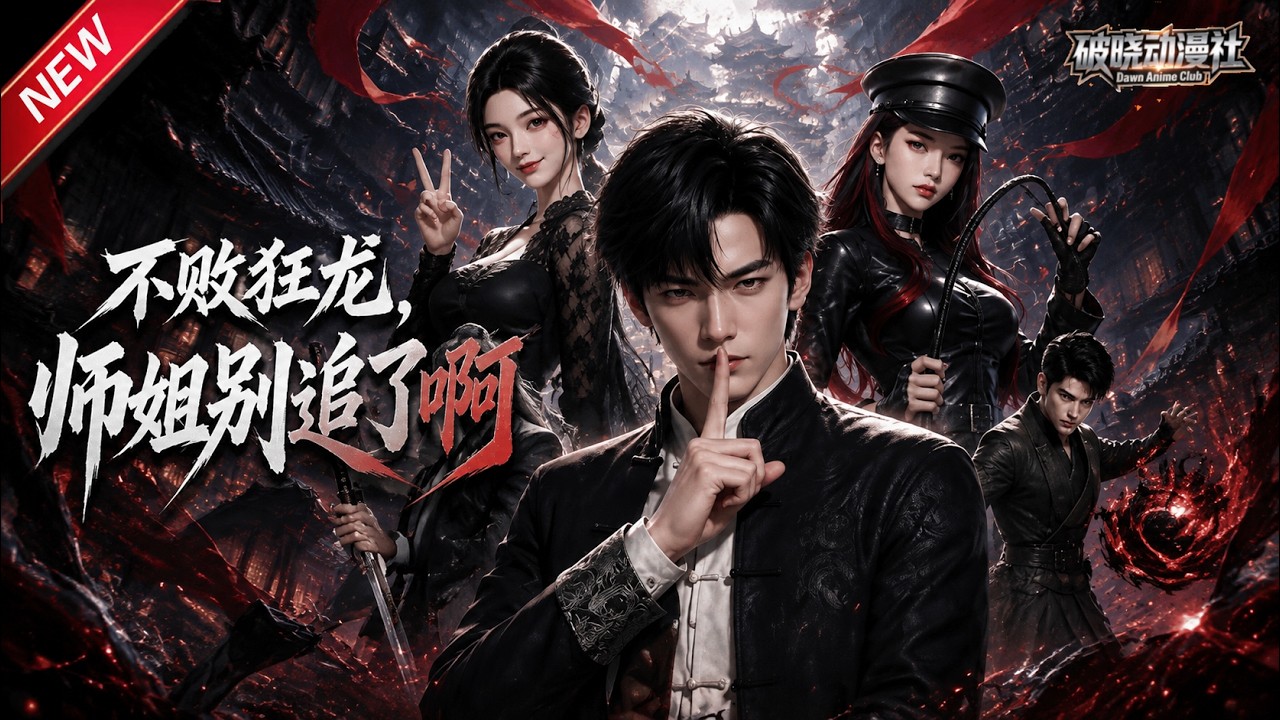
Image: ytimg.com
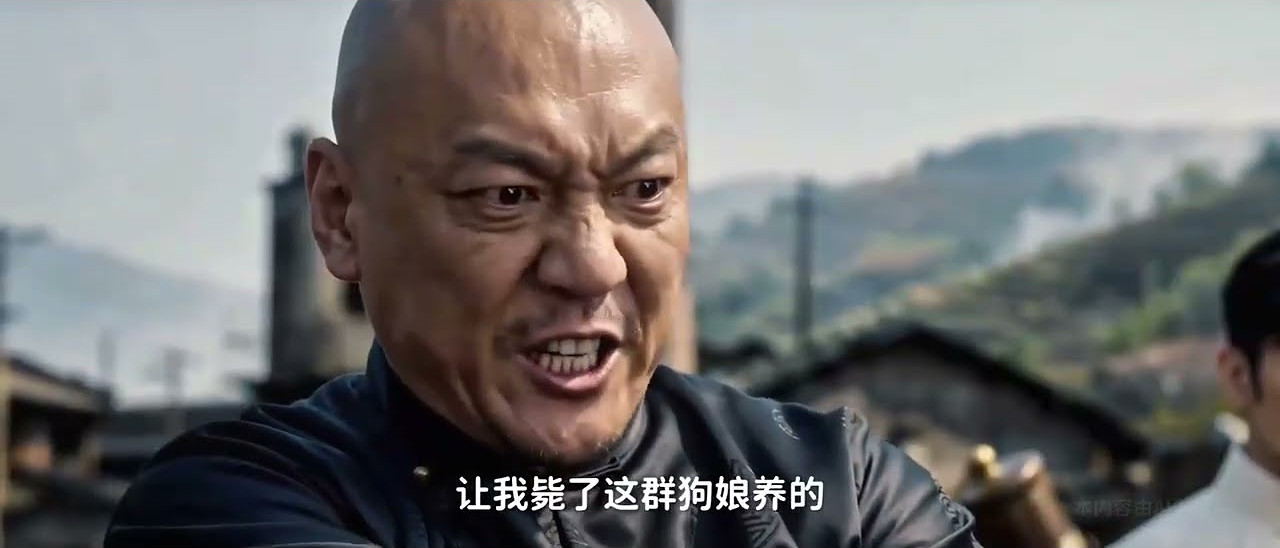
Image: ytimg.com
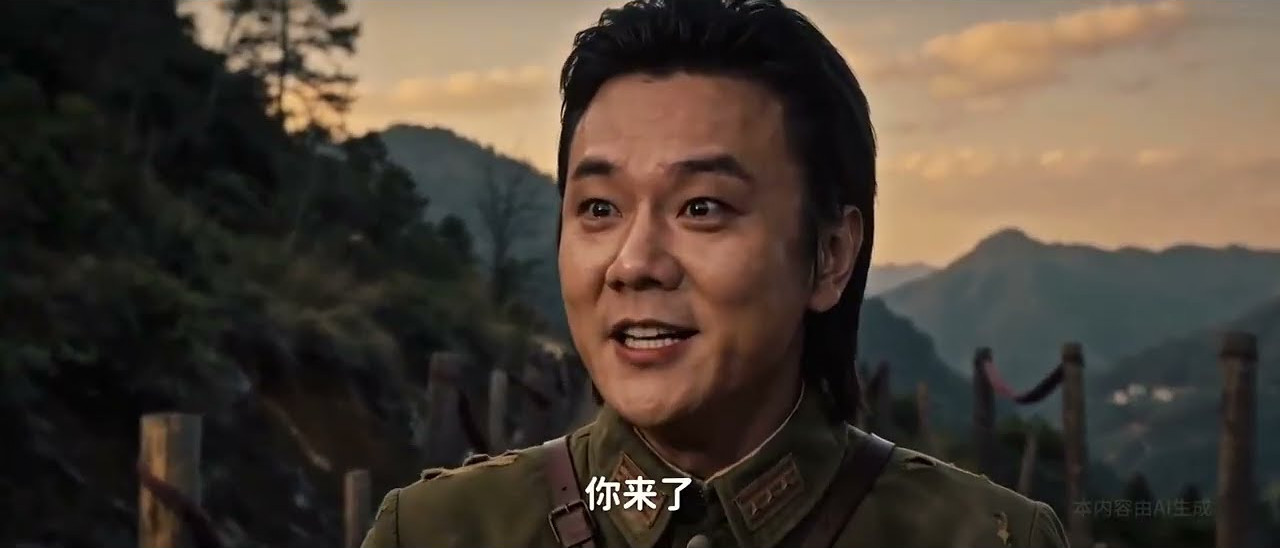
Image: ytimg.com
Related content
No reviews yet. Be the first to review Feng Shui Master (风水天师).