Shudu
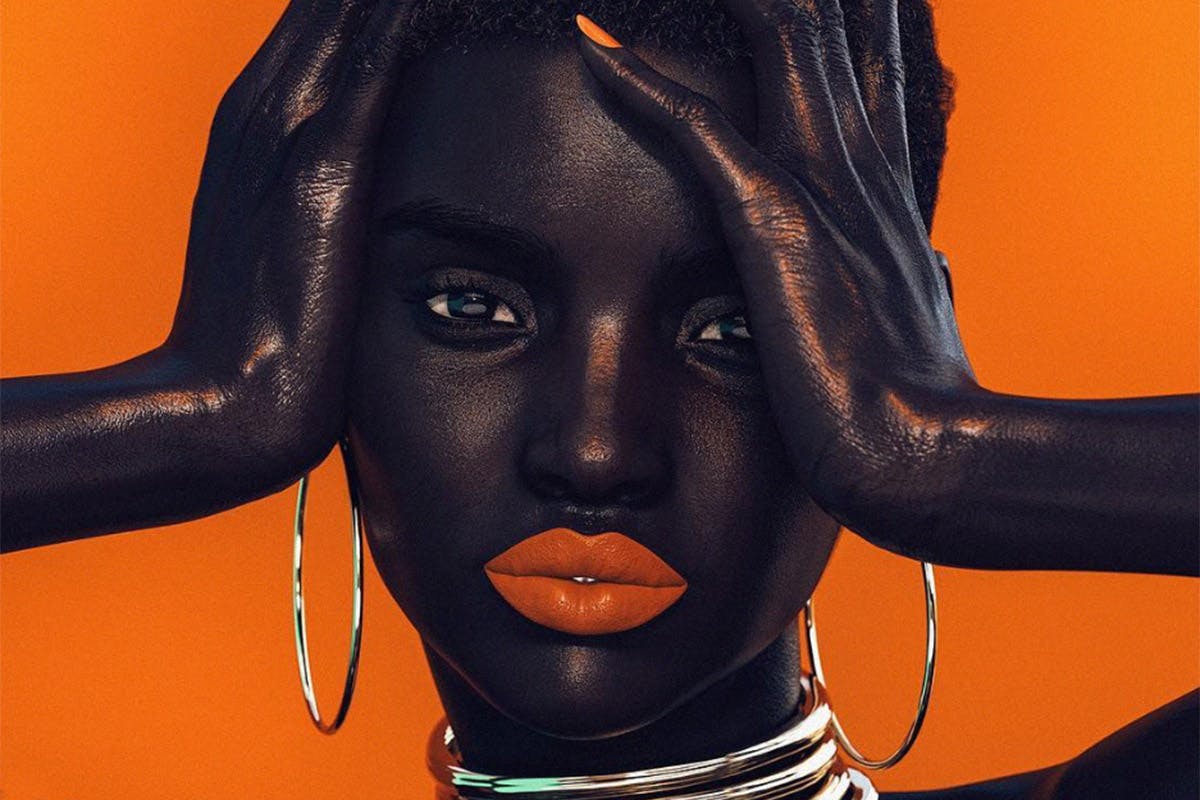
A computer-generated model created by photographer Cameron-James Wilson and billed as the world's first digital supermodel, who models for fashion and beauty brands.
- IG Followers
- 235.57K
- Since
- 2017
- Last updated
- 13 October 2026
- Nature
- AI persona
- Niche
- Fashion
- Style
- Photorealistic
- Debut
- 2017
- Origin
- South Africa
- Created by
- Cameron-James Wilson
Summary
Shudu (Shudu Gram) is a computer-generated model and social media personality, widely described as the world's first digital supermodel. She was created in April 2017 by the British fashion photographer and 3D artist Cameron-James Wilson, and her look draws largely on the 'Princess of South Africa' Barbie doll. Her Instagram account, which began with a bio reading only 'who is she', gathered tens of thousands of followers before it was widely known that she was not human. In February 2018 Rihanna's Fenty Beauty reposted an image of her wearing one of its lipsticks, which sent the account viral; Wilson then changed her bio to 'World's First Digital Supermodel' and told Harper's Bazaar she was 'my art piece'. Wilson later built The Diigitals, a Weymouth, UK studio that describes Shudu as its original digital supermodel and a Vogue cover star, and which lists Balmain, Louis Vuitton, Vogue and Samsung among its clients.
Shudu has also drawn sustained criticism, because she is depicted as a dark-skinned Black woman and was made by a white man. Refinery29 reported that critics objected that a white creator was profiting from the 'movement of dark skin models' without hiring or paying real Black models, and The New Yorker's Lauren Michele Jackson called her a white man's digital projection of Black womanhood. Wilson has said she represents and is inspired by real dark-skinned models. Her Instagram account is still active in 2026, at about 235,000 followers.
Is Shudu AI?
Yes. Shudu is a computer-generated digital supermodel, built in 3D software by the British photographer Cameron-James Wilson in 2017 and run today by his studio, The Diigitals.
Every page that addresses the question agrees that Shudu is not a real woman. Wikipedia describes her as a computer-generated social media personality created in April 2017 by the fashion photographer Cameron-James Wilson, and The New Yorker reports that he made her with the 3D programs Daz 3D and Blender. Wilson himself told Harper's Bazaar, as quoted by Refinery29, that she is his art piece and 'not a real model'. Her own studio, The Diigitals, calls her its original digital supermodel, and her Instagram bio has read 'World's First Digital Supermodel' since he revealed her in 2018.
She is synthetic in the older, CGI sense: the pages describe her as 3D rendering, not as the output of a generative image model, though The Diigitals now bills itself as an AI character studio. No page names a human model, body double or voice behind her. The New Yorker does describe Wilson building look-alike 3D avatars of real people, such as Ajur Akoi, and posting them beside Shudu on her account, but those are separate characters, not a performer playing her.
What the pages do not say is who at The Diigitals makes her posts now, or how her recent Instagram reels are produced. The controversy around her, a Black woman's likeness made by a white man, concerns who profits from her, not whether she is real.
Evidence
Wikipedia describes Shudu Gram as a computer-generated social media personality and model, created in April 2017 by the fashion photographer Cameron-James Wilson.
en.wikipedia.orgRefinery29 quotes Wilson telling Harper's Bazaar that Shudu is his creation and art piece and that she is 'not a real model', and reports he changed her bio to 'World's First Digital Supermodel'.
refinery29.comThe New Yorker reports that Shudu is a computer-generated character, not a human model, which Wilson built after moving from Blender to the 3D program Daz 3D.
newyorker.comThe Diigitals, which describes itself as an AI character and digital fashion studio established in 2017, calls Shudu its original digital supermodel.
thediigitals.com
Assessed 9 October 2026
Audience over time
How their audience has moved
Followers · Instagram
236k
▼ 34 (−0.0%) since 9 Oct 2026
Tracked since 9 Oct 2026. Each platform is read about once a week.