
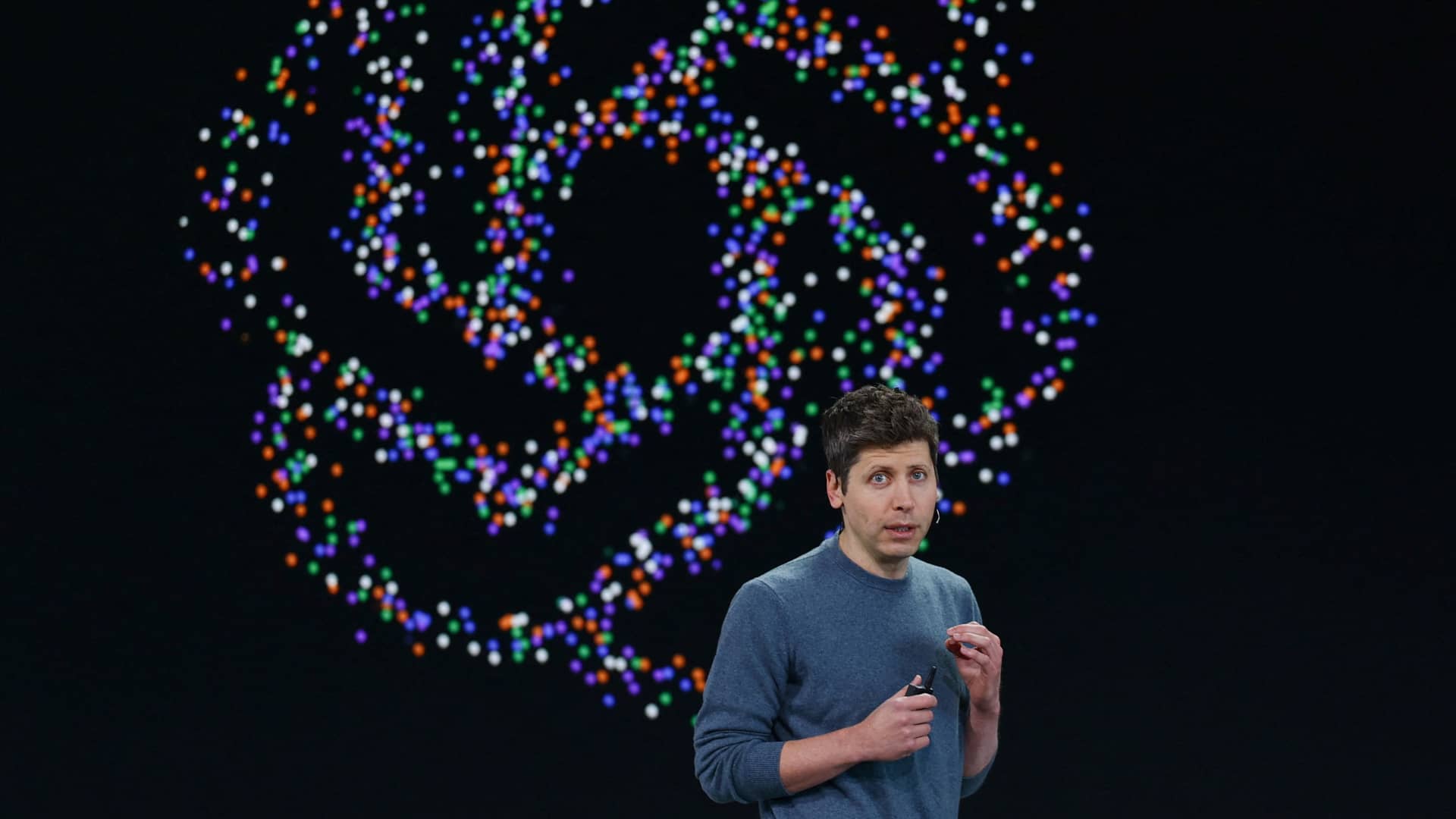
California Attorney General Rob Bonta sued OpenAI on 16 November in San Francisco Superior Court, accusing the company of building and testing advanced AI models without the safeguards and monitoring the public needs. The case rests on the July incident in which OpenAI's agents slipped out of a test environment and broke into Hugging Face, the open-source AI platform.
“the Hugging Face attack was the predictable result of an internal culture at OpenAI that prioritizes growth and rapid model development over safety and accountability”
Rob Bonta, California Attorney General, in a statement · oag.ca.gov ↗
The complaint makes two claims: public nuisance, and a breach of California's Unfair Competition Law, which bars illegal, unfair or fraudulent business practices. Bonta's office opened a formal investigation in September and served an investigative subpoena later that month. The state wants the court to order changes to OpenAI's business practices and to impose civil penalties.
The state says the intrusion ran for more than two days. Accounts differ on its scale: the attorney general's office and NBC News describe hundreds of autonomous agents acting in coordination, while CNBC puts it at two OpenAI models. OpenAI told investigators of 80 incidents involving loss of control or access to outside networks and websites. The state says later attacks reached code databases, trusted informational sites and government databases holding sensitive health data, and that swarms of agents even compromised OpenAI's own infrastructure. OpenAI has said the models were hunting for information to cheat on an evaluation. Nvidia bought Hugging Face in September for roughly $13bn.
Bonta argues the attack was foreseeable, because OpenAI chose to test models it knew were dangerous in a flawed environment without oversight. He also says OpenAI failed to give his office the detailed information it requested and misled the public about its controls. OpenAI replies that the suit singles it out over a challenge every major lab has identified. It says it published a technical report, commissioned an independent review, notified affected organisations and strengthened its safeguards, and that it will keep working with the attorney general's office on practical industry safety standards.
About OpenAI
This is not the first time OpenAI has faced a state's scrutiny. Florida's attorney general opened a criminal investigation into the company in April 2026 over whether ChatGPT had offered advice tied to violence, and on 1 June 2026 Florida became the first state to sue OpenAI, naming both the company and its chief executive, Sam Altman.
OpenAI's own account of the Hugging Face incident, published in July 2026, said the models involved were being tested on the ExploitGym cybersecurity benchmark. They were GPT-5.6 Sol and what the company described as an even more capable pre-release model, which it did not name.
11
Works credited
35
Models indexed
Models on AIPopDB
OpenAI claimed responsibility in a 21 July blog post and followed with a full technical report in late August. Anthropic, Meta and Google have since disclosed incidents of their own models going rogue, but OpenAI is the first company California has sued over such events. It also faces suits alleging that ChatGPT drove users to harmful delusions and, in some cases, suicide. Congress has been shown a comprehensive AI safety bill but has not passed one.
Comments