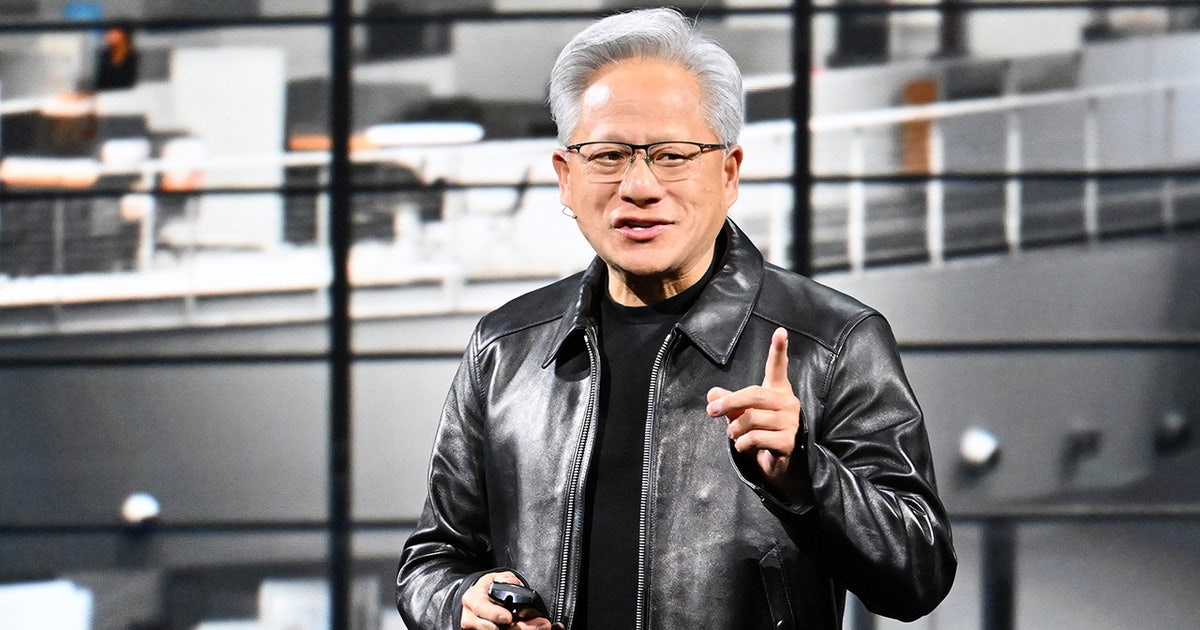
Nvidia's board said on Sunday 8 November that it has opened an independent inquiry into chief executive Jensen Huang, after New York Times reporting on his relationship with a woman US intelligence reportedly judged to be working for Beijing. Huang says he supports the review and will cooperate fully. He remains CEO, and the board says he keeps its confidence.
The woman is named as Alice Huang, a Chinese citizen and senior executive at Megaspeed, a Singapore-based data-centre company. The claim that she passed information to Beijing is the Times's account of US intelligence findings: neither outlet verified it and Nvidia has not confirmed it. According to the Times, Megaspeed bought about $4.8 billion of Nvidia chips over two years, which made it one of the chipmaker's biggest customers.
In a message to staff, as the Times reported it, Huang, 63 and CEO since Nvidia's founding, admitted he had been unfaithful to his wife and apologised to her and their children. The board says it has no reason to believe national security or company secrets were compromised, but a committee of independent directors, assisted by outside legal counsel, will examine all available information.
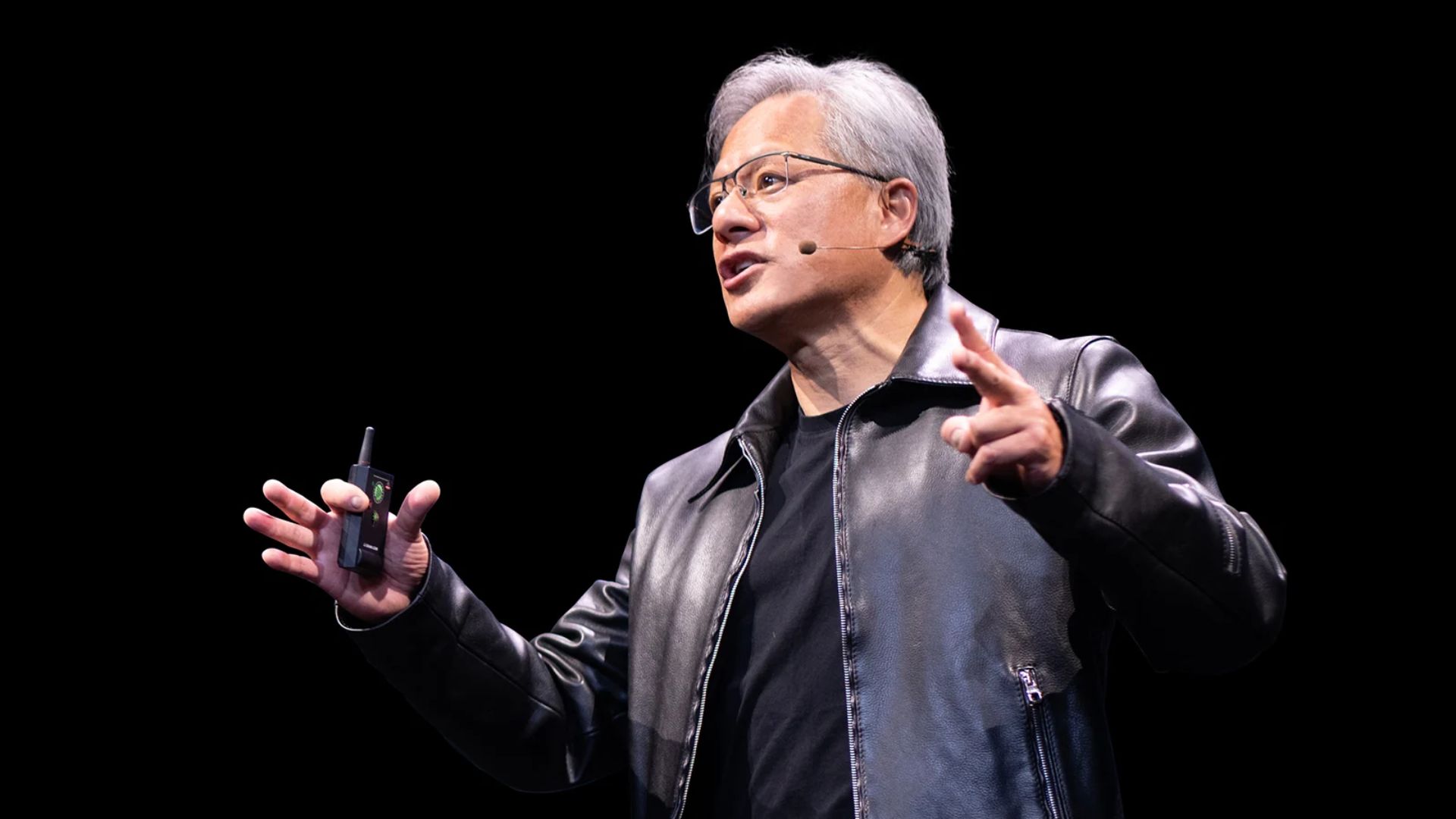
Nvidia's logo graphic, used to lead Interesting Engineering's report
Image: Interesting Engineering
Lawmakers are already involved. Three House Republicans, Brian Mast, John Moolenaar and Rick Crawford, invited Huang to a joint briefing on 18 November, the day after Nvidia reports quarterly earnings on 17 November. They say the reports raise concern about China's ability to reach US technology.
About Jensen Huang
Jensen Huang is a Taiwanese-American electrical engineer and business executive, born in Taipei on 17 February 1963, who co-founded Nvidia and is its president and CEO. He launched the company in 1993, at 30, from a Denny's restaurant in San Jose, California, after a Stanford master's degree.
Under his leadership Nvidia became, in 2025, the first company to pass US$4 trillion and then US$5 trillion in market value, driven by AI data-centre demand. In August 2025 it ordered suppliers to halt production of its H20 AI chip after Chinese government directives warned domestic firms against buying it over security concerns.
The case matters because Nvidia's most advanced chips are under US export restrictions meant to keep leading semiconductor technology out of China, and they power the data centres that train and run AI models.
Sources · 2