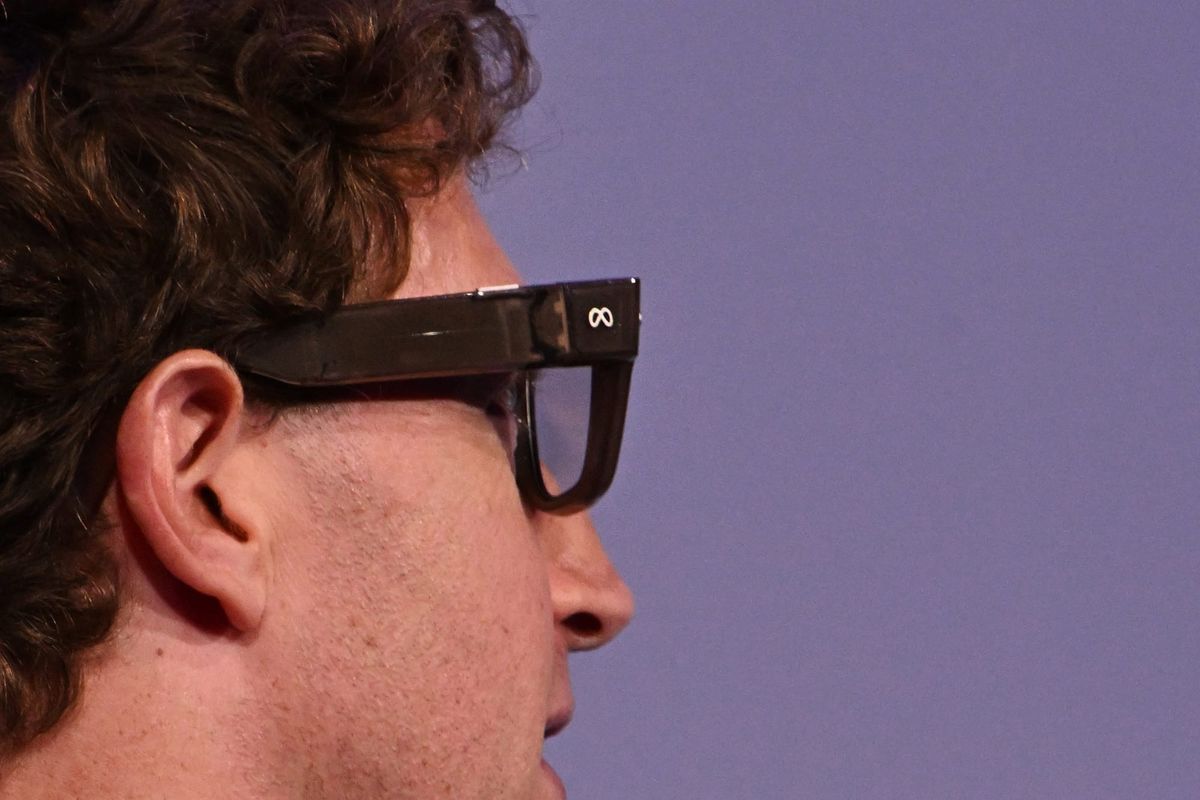
Senators Ron Wyden and Edward Markey wrote to Meta chief executive Mark Zuckerberg on 28 October, warning that the company's AI glasses carry serious privacy and safety risks for the people wearing them and for those around them. The letter says Meta put the glasses on sale even after identifying risks to bystander privacy.
“Meta's professed commitment to privacy and preventing intimate image abuse rings hollow if the company cannot demonstrate meaningful steps to prevent its own products and practices from facilitating those harms”
Sens. Ron Wyden and Edward Markey, letter to Mark Zuckerberg, in a letter · engadget.com ↗
The senators point to a run of reports. 404 Media's October 2025 investigation found men filming massage parlor workers with Meta Ray-Ban glasses and posting the clips to Instagram accounts with hundreds of thousands of followers. A BBC article described men secretly filming women. Reports and a lawsuit say contractors who review AI data saw footage of people undressing and having sex, and Meta's own disclosures confirm that imagery from the visual AI features may be kept and used for training, with human reviewers.
The letter puts a list of questions to Meta. Can the camera switch on by accident? Can the recording light be tampered with? Are faces and licence plates blurred, as they are on Facebook and Instagram? When can staff or contractors see the imagery, and can people ask for their biometric data to be deleted? It also asks whether Meta carried out human-rights due diligence and safety testing before release, and whether it checked the glasses for enabling voyeurism or the capture of non-consensual intimate images. Answers are requested by 26 November, the day of Thanksgiving.
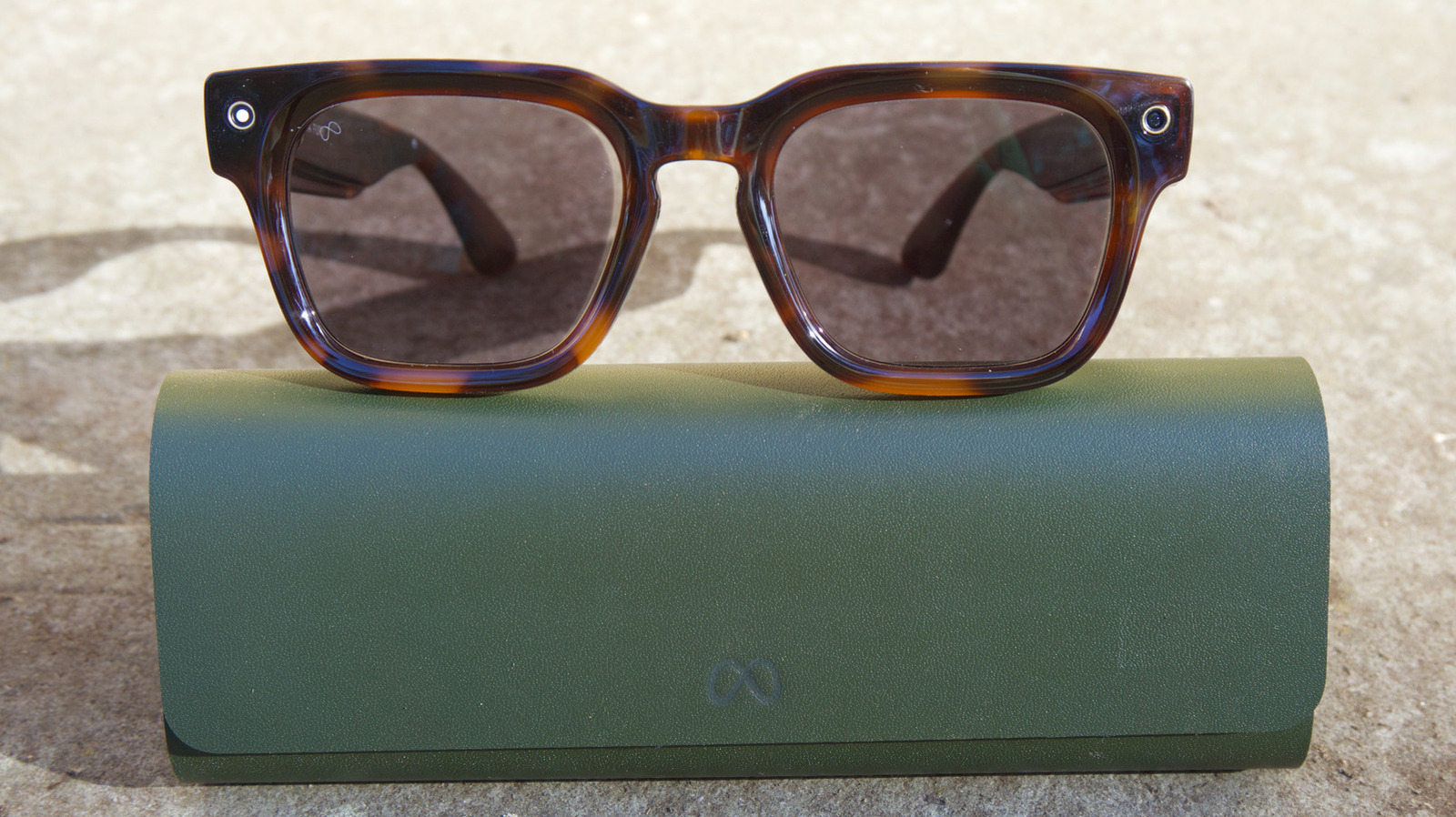
Engadget's lead image for its report on the senators' letter (not opened, content unverified)
Image: Engadget
The senators argue that training AI on intimate imagery of people who never agreed to it is an invasion of privacy in itself, and one that stretches the period in which the material can be misused. They say Meta's stated commitment to privacy and to preventing intimate image abuse means little unless it can show real steps to stop its own products and practices causing those harms.
About Meta AI glasses
Meta's AI glasses are camera-equipped, AI-powered smart glasses sold by Meta, including Ray-Ban models. They carry visual AI features and have been advertised heavily with celebrities, among them Chris Pratt, Chris Hemsworth, Kris Jenner, Doja Cat, Jennie Kim and Kylie Jenner, while critics call them "pervert glasses".
The privacy questions around them predate the senators' letter. 404 Media's October 2025 investigation was among the first reports of men using them to film workers without their knowledge. In August 2026 Meta filed a patent to add facial recognition and highlight-reel features to the glasses.
The letter lands on a long record. More than 70 people sued Meta earlier in 2026, saying intimate images and videos were exposed to workers hired to label AI data. In March, Swedish journalists reported that Kenyan data labelers had viewed uncensored footage from the glasses, including sexual and violent content, and Meta ended that contract less than two months later. In January the BBC reported that a woman filmed with the glasses was flooded with calls after her number was posted, and was stalked at her workplace. Users also said a firmware update made the glasses record conversations, and the NYPD's counterterrorism unit raised surveillance concerns in January. Research in August described pickup artists and influencers using the glasses to film people who did not know. In October, California Governor Gavin Newsom vetoed a bill banning the secret recording of others in private areas of businesses with wearables.
Sources · 2