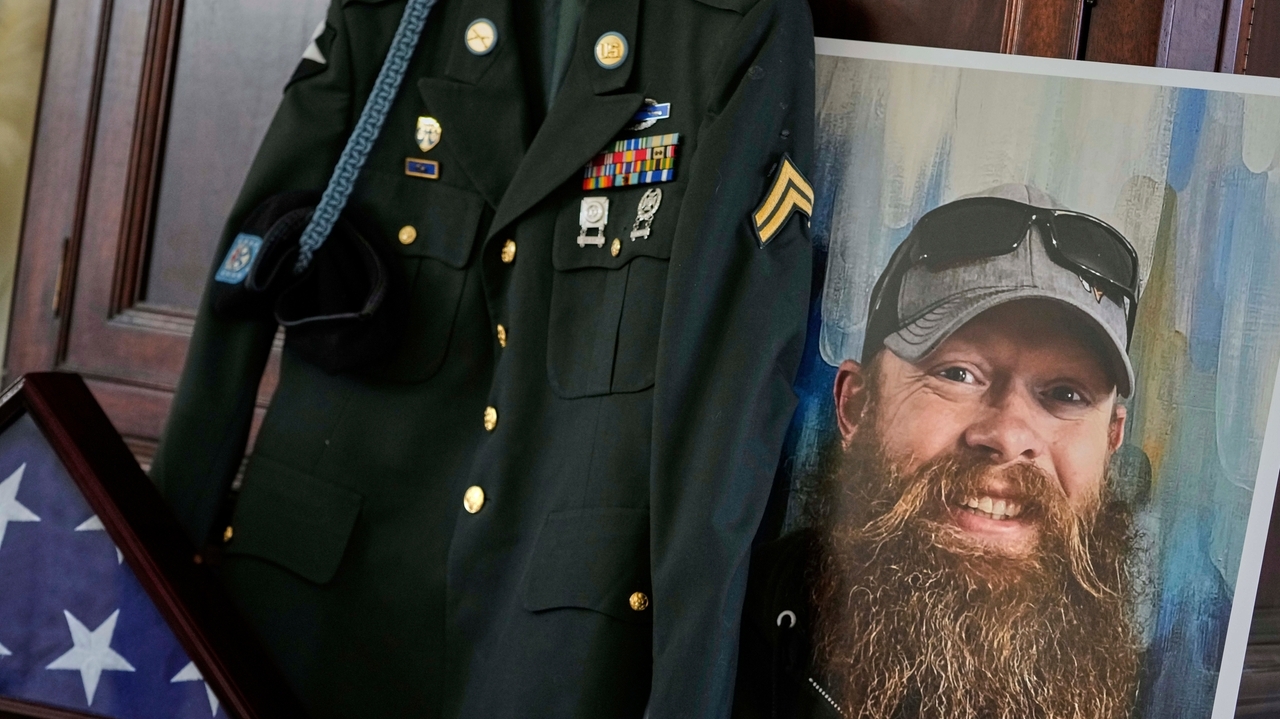
The Arizona Court of Appeals has ordered a new sentencing for Gabriel Paul Horcasitas, convicted of manslaughter over the 2021 road-rage killing of Christopher Pelkey, because the judge who sentenced him was shown an AI-generated video in which Pelkey appeared to address the court. The ruling, released on 30 September, leaves the conviction standing, along with a separate endangerment count for a shot that hit another car, but wipes out his roughly ten-year prison term, AP reports.
The three-judge panel found the video unreliable. It did not record anything that had happened; it gave the victim words drawn from his sister's idea of what he might say, and presented them as his own. Horcasitas's lawyer had argued this broke due process: the clip did not reveal who wrote its script, nothing showed it matched Pelkey's views, it carried an authority a relative reading the same lines would not, and the defence had no real way to answer it.
Pelkey's sister, Stacey Wales, made the video, and it was played at the May 2025 hearing after nine relatives and friends had spoken. The AI Pelkey, a 37-year-old Army veteran who was unarmed when he was shot at a Chandler stoplight in November 2021 after leaving his truck and walking toward Horcasitas, now 55, talked of forgiveness and of the two men perhaps being friends in another life, without asking for any sentence. AP says it is believed to be the first such use in a US court. Judge Todd Lang said he "loved that AI" and that its forgiveness fitted what he had heard of Pelkey, but did not say whether it shaped his decision.
Prosecutors and the family's lawyers told the appeals court there was no error: the footage reflected Pelkey's character, nothing in it was inflammatory, the defence raised no objection at the time, and Arizona law lets victims speak in writing, audio or video without disclosing it beforehand. The county attorney's office said it knew the family would speak but not in what form.
Wales said she was disappointed the video was the reason given, since she only wanted the judge to see her brother as a person. A victims' appeals lawyer has warned that using AI again could invite another appeal; she said the family will keep using whatever means the courts allow. AP notes courts have mostly used AI for paperwork, research and case preparation, and in Arizona to explain major rulings to the public, which makes AI-built victim statements new and now contested ground.
Sources · 1